Every morning now, the bottom of the bedroom window is fogged, and on the coldest days there’s a line of water pooling on the frame. Most people blame the weather and reach for a towel, and the towel is exactly why the problem gets worse every year: it treats the glass, when the glass is only the messenger. The moisture on your window this morning was made inside your house, and it announces mold with weeks of advance notice.
The physics takes one sentence: warm air holds moisture, cold surfaces force it to let go. Your household produces gallons of water vapor a day, through showers, cooking, dishwashing, laundry drying on racks, even breathing, and overnight that vapor drifts until it meets the coldest surface in the room, which in fall is the window glass. The cold outside doesn’t create the water. It just reveals how much of it your air is carrying.
Why the towel isn’t enough
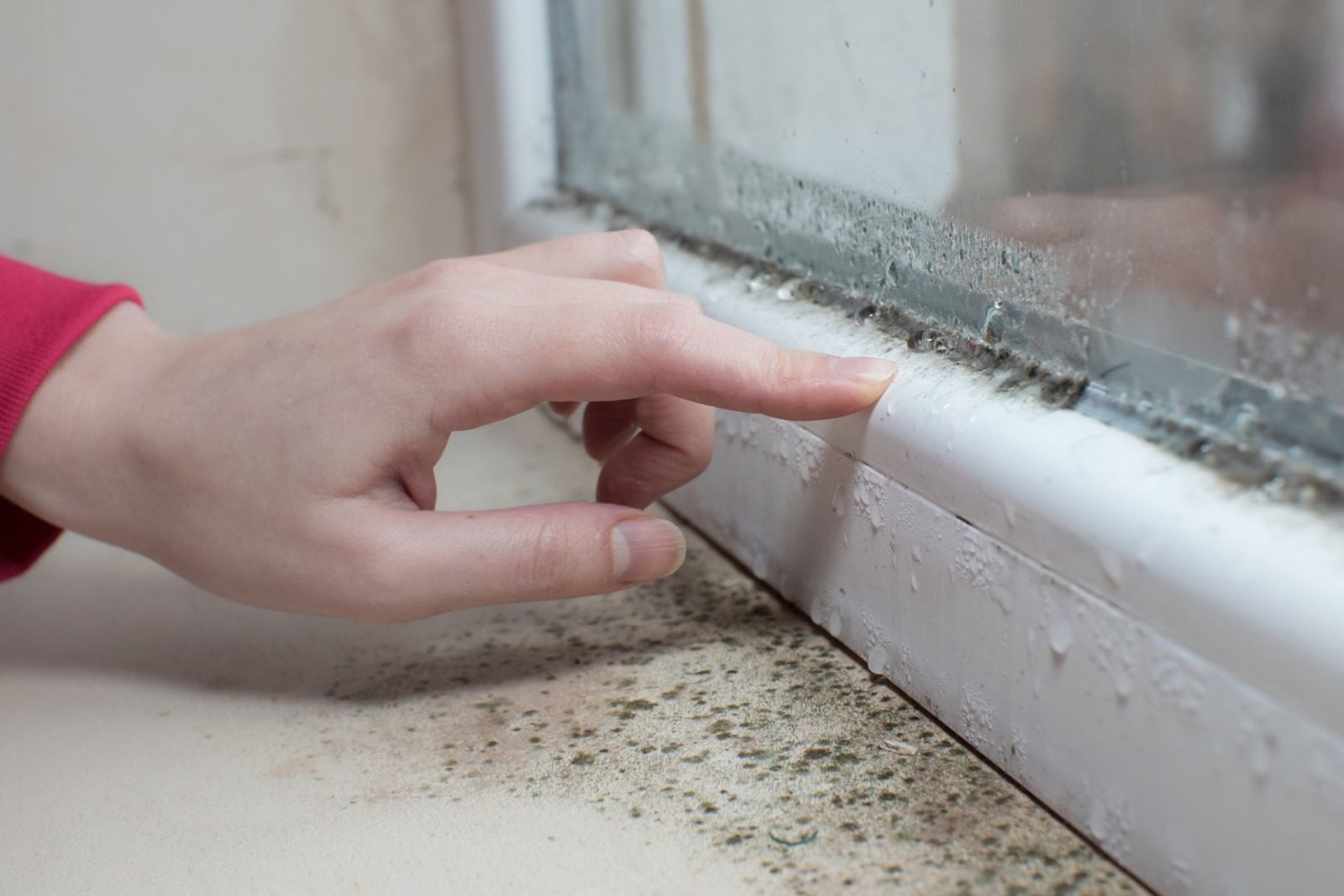
The window is simply where you can see the condensation. The same moisture is settling on every cold surface it finds: the wall behind the wardrobe, the corner of an exterior wall, the reveal around the frame. Those spots stay damp, and damp plus a cool room is the exact recipe for mold, which is why the EPA’s target for indoor humidity sits at 30 to 50 percent. Wiping the glass removes the evidence and leaves the cause fully intact.
The fix costs almost nothing: stop making the air wet
- Run the bathroom fan during every shower and 15 minutes after, and the kitchen hood whenever pots are steaming. Energy educators call vented fans the first move, with one condition: they must vent outdoors, not into the attic, where they’d just relocate the mold.
- Put lids on pots. An hour of uncovered simmering releases a remarkable amount of water.
- Rethink indoor laundry drying. A full rack releases around two quarts of water into the room. Dry in a ventilated space, ideally with the door closed and a window cracked; a wall-mounted setup makes that room easy to choose.
- Air the house in short bursts. Five to ten minutes of wide-open windows morning and evening swaps humid air for dry without cooling the walls, far better than a window left cracked all day.
- Give air a path. Pull beds and wardrobes a couple of inches off exterior walls, and leave curtains open at night on the worst windows so the glass stays a little warmer.
A $10 hygrometer turns this from guesswork into a number: if mornings read above 55 percent, the air is too wet. One caveat before buying a dehumidifier: below about 50 percent, in a cool house, they accomplish little in winter, so fix the sources first. And keep the thermostat steady rather than letting rooms go cold at night; the warmer the glass, the less it collects, which is one more argument for holding the house at a stable 68.
One exception: fog trapped between the two panes of a double-glazed window means the seal has failed, and no amount of ventilation will clear it; that unit needs repair. For everything else, the fix was never on the glass. It’s in the air, and the air is yours to change.