Baking soda is a classic for cleaning window tracks. The Argentine newspaper El Cronista and the German tech site CHIP describe a second, unexpected step: a strip of plastic wrap laid over the paste. Here’s what the film is for, how to do it, and the one part of the track you shouldn’t seal off.
In short
- Vacuum the track, sprinkle baking soda, then moisten it with water or vinegar.
- Cover it with plastic wrap and leave it for 30 minutes to 2 hours, then brush and wipe.
- Covered, the paste stays damp and has time to soften caked-on dirt.
- Leave the weep holes clear: they drain water out of the window frame.
What the plastic wrap is for
The method was described by the Argentine newspaper El Cronista, which presents it as a way to clean window tracks and neutralize their odors without harsh chemicals. Baking soda, it explains, “absorbs the moisture that collects in those corners.” The plastic wrap comes in at the end: once the baking soda is moistened, the track is covered with film and the mixture is left to work for 30 minutes to 2 hours.
That long dwell time is the point. In the usual method, described by House Digest, baking soda sprayed with vinegar is left to bubble and rest for only 5 to 10 minutes. In an open track, a thin layer of paste dries quickly. Under the film, it stays wet long enough to loosen the dust, pollen and grime that have hardened in the corners.
How to do it
- Vacuum first. House Digest recommends a hand vac or a crevice tool, then a dry toothbrush, because liquid on loose dust only makes “a dark, sludgy mess.”
- Sprinkle baking soda along the track, especially in the corners, and moisten it with a little water or white vinegar.
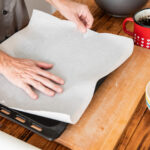
- Lay plastic wrap over it and press it down so it stays in contact with the paste. Leave it 30 minutes to 2 hours.
- Remove the film, scrub and dry. Work from the edges toward the middle with an old toothbrush, then wipe with a damp rag. A rag wrapped around a butter knife reaches the narrowest spots.
Don’t seal the weep holes
Many windows have small openings at the bottom of the frame called weep holes. According to a guide from the Department of Energy’s Building America Solution Center, they let water drain out of the frame, and when they clog, “trapped water can accumulate within the frame and eventually damage the framing, sheathing, insulation.” Keep the paste and the film away from them. Once the track is clean, test them by pouring a little water into the track: it should run out. Window maker Milgard suggests clearing them with a pipe cleaner.
The limit
This is a cleaning trick, not a repair. Milgard’s care instructions call for a non-abrasive cloth, soap and water, and warn against abrasive chemicals, so brush gently. Never add bleach to a vinegar mixture: House Digest warns the combination releases dangerous chlorine gas. And if the track is black with mold or the window still sticks once it’s clean, the problem goes beyond dirt.
Baking soda alone already does a lot here: see why cleaners put it in window tracks. If your windows fog up every winter morning, check this range hood habit, and for a damp bathroom, here’s what a glass of salt is for.
A pinch of soda, a strip of film and a little patience. That’s the trick.