That old wooden dresser in your bedroom might look like something nobody wants anymore. Maybe the wood is scratched, the handles look outdated, or you’re thinking about selling it on Facebook Marketplace for $50.
But before you put a price on it, there’s something worth checking.
In March 2026, an old wooden chest of drawers sold for $4,096 at an auction. It had a simple design, with nothing especially fancy about its appearance.
What made it interesting to collectors wasn’t something most people would notice right away. And if you own an old dresser, you might want to take a closer look before letting it go.
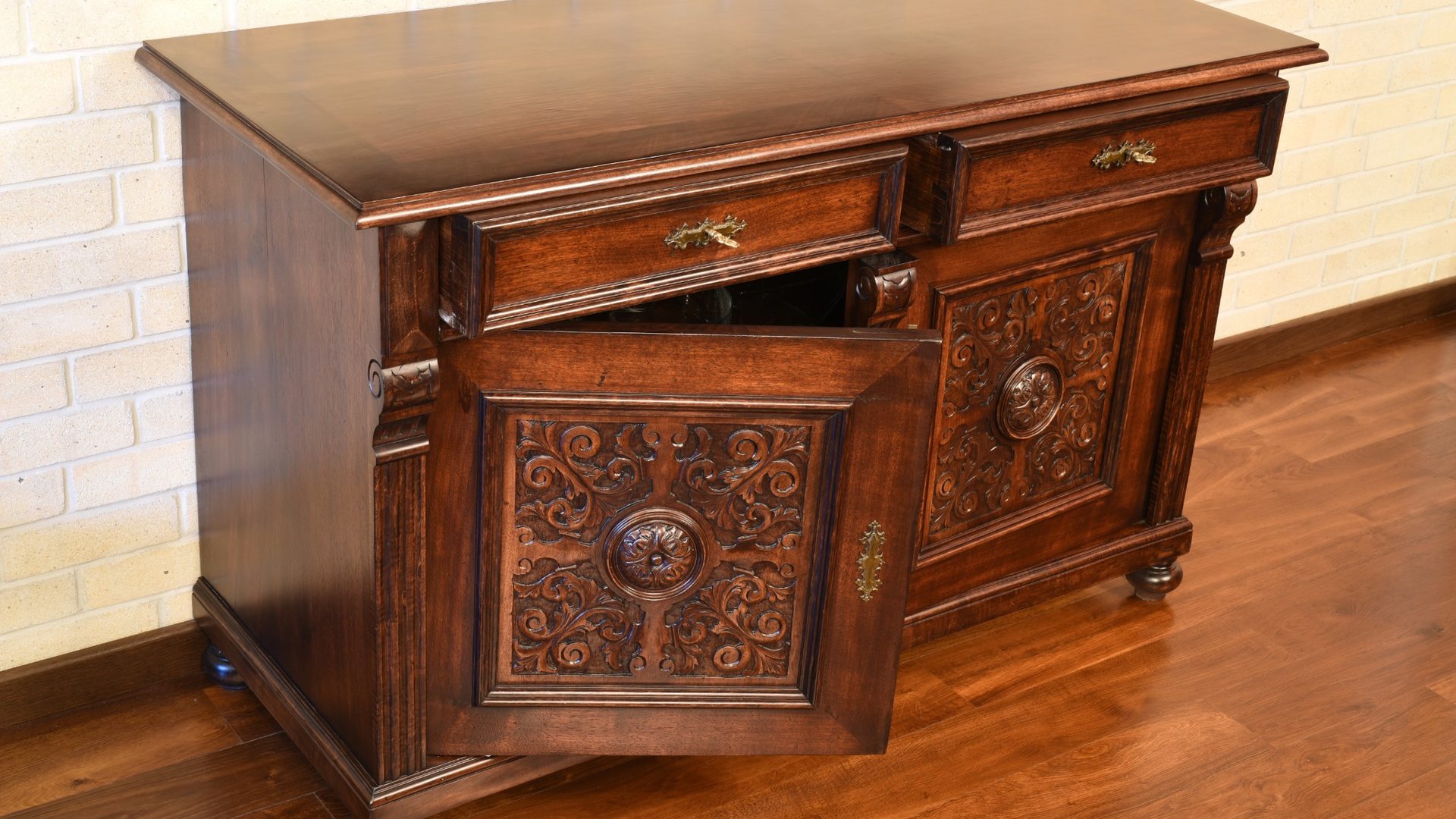
Why some old dressers sell for thousands
Not every old dresser is worth much money. Some sell for $50 at yard sales, while others bring in hundreds or even thousands of dollars.
The difference often comes down to who made the furniture, how well it was built, and whether collectors want it.
Some furniture companies became famous for making strong, well-built pieces. Their furniture can still attract buyers today, even when the style looks outdated.
Two dressers that look almost the same can have very different values. That’s why learning a little about an old piece before selling it can be worth your time.
The old dresser that sold for $4,096
On March 18, 2026, Toomey & Co. auctioned an oak chest of drawers made around 1914. It stood about 51 inches (130 cm) tall and measured 36 inches (91 cm) wide.
The dresser had nine drawers and a simple wooden design. According to the auction listing, it was expected to sell for between $3,000 and $5,000.
The recorded result was $4,096.
The piece was made by Gustav Stickley, an American furniture maker known for his simple, sturdy wooden furniture. Some of his original pieces are still popular with collectors more than 100 years later.
But the auction listing also mentioned a small detail that helped identify the dresser. And it wasn’t something you’d necessarily notice while standing in front of it.
Being old doesn’t guarantee a high price
Before assuming your dresser could sell for thousands, remember that age alone doesn’t decide its value.
A dresser that’s 100 years old might be worth less than a newer one. The maker, condition, original parts, and buyer interest all affect the price.
PBS’s Antiques Roadshow once featured a dresser linked to the Phoenix Furniture Company of Grand Rapids, Michigan.
The expert studied how the furniture was built and the design on its front. Those details helped identify the piece.
According to PBS, the dresser was valued at around $1,000.
That shows why it’s important to learn what you own before deciding how much to charge.
The detail most people never think to check
When looking at an old dresser, most people focus on the outside. They notice scratches, faded wood, worn handles, or damaged legs.
But those things don’t always tell you who made it.
Some furniture makers left their names, symbols, or paper labels on parts that aren’t normally visible. These small marks can help identify the company behind the furniture.
And one of the easiest places to overlook them is around the drawers.
That’s where the $4,096 dresser offers a useful lesson.
Check this hidden spot before selling
According to Toomey & Co., the Gustav Stickley dresser had a maker’s mark on the outside edge of its top-left drawer.
The mark included Stickley’s name, a small symbol, and the words Als ik kan. It helped identify who made the piece.
Your dresser might have a different stamp, name, or old paper label. Finding one could give you a useful starting point for research.
Start by emptying the top drawer and carefully pulling it out. Look along both outside edges, especially near the front.
Next, check underneath the drawer for stamps, writing, or labels. Then inspect the inside, including the back and sides.
If you don’t find anything, repeat the process with the other drawers. You can also check the back and underside of the dresser.
Use a flashlight to spot faded marks, and don’t force a drawer if it won’t come out easily.
Found a stamp? Don’t assume it’s valuable yet
If you find a name, stamp, or symbol, take a clear picture before doing anything else.
Search the exact words online along with terms like old dresser or furniture maker. Compare your dresser with examples from trusted auction houses or museums.
Pay attention to the shape, handles, number of drawers, and wood. These details can help you figure out whether you’ve found a close match.
Check actual selling prices, not just what sellers are asking. Someone listing a dresser for $3,000 doesn’t mean a buyer will pay that amount.
Also, remember that a mark doesn’t automatically make furniture valuable. Some markings are simply numbers used when the piece was made.
If you find a close match to an expensive dresser, consider asking a trusted antique furniture expert for advice.
One mistake to avoid before selling
If your dresser looks worn, you might be tempted to sand it, paint it, or replace the handles before selling it.
Wait until you’ve checked its history. Sanding could remove a faded stamp, while painting or changing original parts could lower the value of certain antiques.
Take clear pictures and research anything unusual before making changes.
Most old dressers won’t turn out to be worth thousands. But the Gustav Stickley sale shows why checking an old piece before selling it makes sense.
A few minutes spent looking around the drawers could help you avoid selling something special for just $50.