At dusk, you pull into the garage and catch a gray blur disappearing behind the birdseed bin. Your first reflex is to grab a bay leaf from the spice rack. Before you set it down, take a closer look at the garage door and the boxes along the wall.
What that bay leaf really does
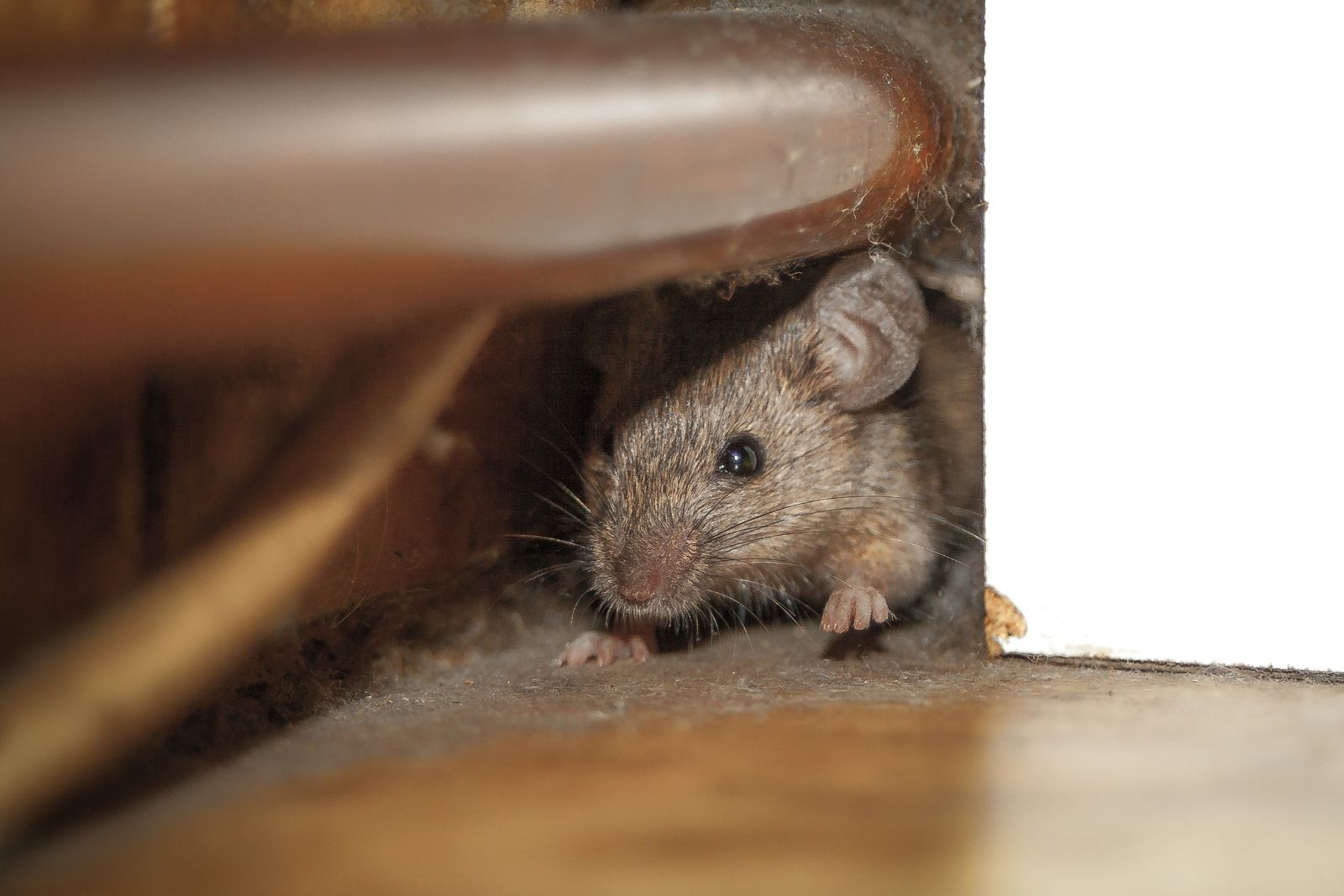
A dried bay leaf contains aromatic compounds that give it a distinctive scent. Placing one near a storage bin may make that small area smell different for a while, but there’s no reliable evidence that dried bay leaves prevent mice from entering a garage or drive away an established infestation.
The problem is that an unpleasant smell isn’t a physical barrier. If mice can still reach food, water and shelter, a scented leaf won’t address the conditions attracting them.
That’s why the Centers for Disease Control and Prevention recommends focusing on removing food sources and shelter, along with sealing entry points.
The better question is how that gray blur got inside, because even a tiny opening can become a regular route.
The sliver of light under the door
A mouse can squeeze through an opening just 1/4 inch wide, roughly the diameter of a pencil. A worn seal beneath the garage door or a gap near a lower corner may be enough.
Once inside, mice can travel behind storage boxes, follow the edges of walls and potentially reach adjoining living spaces.
To look for possible entry points, inspect the garage door in daylight. With the door closed and the interior lights off, check the bottom edge, corners and side seals for visible gaps. Also inspect the areas around pipes, cables and vents.
Daylight showing through a gap is a useful clue, but not every entry point will be visible this way. Gnaw marks, droppings and shredded nesting materials can also indicate rodent activity.
While you’re there, make the garage less inviting. Store pet food, birdseed and grass seed in sturdy metal, glass or thick plastic containers with tightly fitting lids. Remove unnecessary cardboard, loose paper and fabric from the floor, and clean up spilled seed promptly.
Apply the same approach around the rest of the property using our fall mouse-proofing checklist.
Closing the gap, then catching the rest
For small holes around pipes and cables, the CDC recommends filling the opening with steel wool and securing it with caulk or another suitable sealant. Larger openings may require metal sheeting, hardware cloth, cement or other durable rodent-resistant materials.
Replace damaged garage-door weather seals and make sure the service door closes tightly. Where rodents have chewed through ordinary weatherstripping, consider a properly fitted rodent-resistant door sweep.
Before sealing an opening, check for signs that rodents are using it. If an infestation is established inside a wall or another inaccessible space, professional assistance may be needed to avoid trapping animals in the structure.
Next, deal with any mice already inside. Place several appropriately sized snap traps along walls or behind objects where activity has been observed, following the trap manufacturer’s instructions.
Position the trigger toward the wall. The University of California’s Integrated Pest Management program recommends spacing traps no more than about 10 feet apart in areas where mice are active.
A small amount of suitable bait, such as peanut butter, can help attract mice. Keep every trap inside a tamper-resistant enclosure or another location inaccessible to children, pets and other animals.
Inspect traps daily. If signs of activity continue without captures, reassess their placement along the routes mice appear to be using.
Continue monitoring until fresh droppings, gnaw marks and other evidence of activity have stopped. Then periodically inspect the door seals and other potential entry points for new damage.
Where the bay leaf hands off to a pro
Rodent droppings require careful cleanup. Never sweep or vacuum them while dry, because that can release contaminated particles into the air.
For garages and other outbuildings, the CDC advises opening doors and windows for 30 minutes before cleanup and leaving the area during that ventilation period.
Then put on rubber or plastic gloves. Wet droppings thoroughly with disinfectant, let the product work for five minutes or for the time stated on its label, and wipe up the material with paper towels. Dispose of the waste safely and wash your hands afterward.
Heavy infestations require additional protective measures and may need professional cleanup.
A bay leaf cannot reach a nest inside a wall, repair chewed electrical wiring or close an opening beneath the garage door. If activity is extensive, inaccessible areas are affected or signs keep returning after exclusion and trapping, contact a licensed pest-control professional.
In the end, the useful winter habit isn’t scattering herbs around the garage. It’s keeping food sealed, removing hiding places and making sure mice have no easy way inside.