The clear casserole dish in your cabinet may carry the same Pyrex name as your grandmother’s. But the glass may not be the same, and the stamp underneath won’t always tell you which one you have. That matters most in the few seconds after dinner comes out of the oven.
Same name as grandma’s, different glass
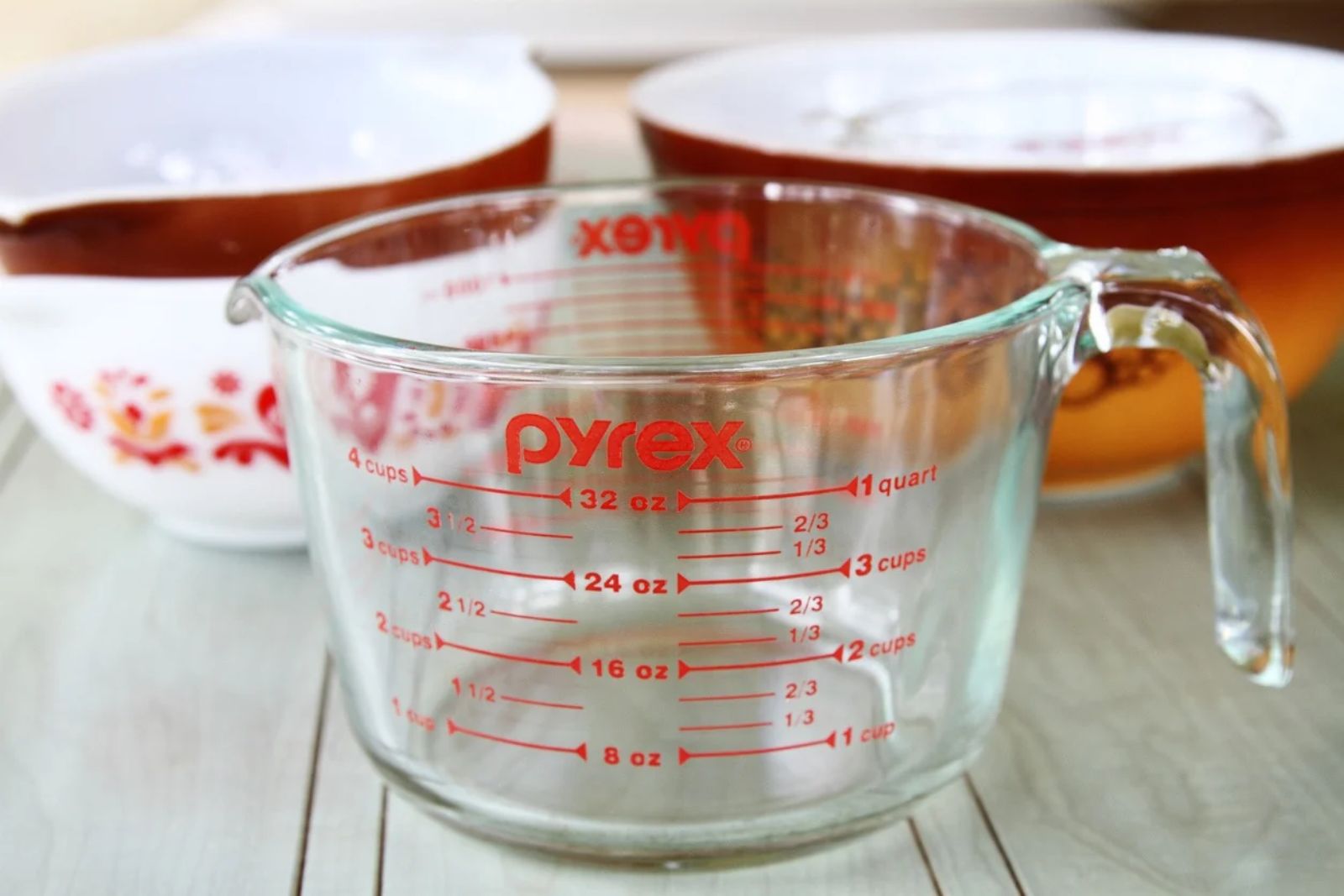
Pyrex arrived in American kitchens in 1915 as borosilicate glass. It was prized for one thing: it handled temperature changes well.
The switch away from that recipe didn’t happen overnight. It likely began after soda-lime opalware production started in the 1940s. For years after that, different factories used different formulas. By the time Corning sold its consumer division in 1998, most of its tableware had moved to tempered soda-lime glass.
Today, U.S. Pyrex bakeware is mostly soda-lime glass. So when you pull an older dish from the back of the cabinet, it’s natural to wonder which kind you’re holding.
The stamp on the bottom won’t tell you
Most people flip the dish over and check the logo. The popular shortcut says uppercase “PYREX” means borosilicate and lowercase “pyrex” means soda-lime. It sounds handy, but it isn’t a reliable test.
The lowercase logo came with a rebranding in the late 1970s. By then, factories and products had already used several glass recipes. Color won’t settle it either. Many of those patterned, opaque vintage pieces were soda-lime opalware from the very start.
Unless you have solid manufacturing information for that exact dish, treat every glass baking dish the same way: as glass that doesn’t like sudden temperature changes. And there’s one moment in dinner when that matters more than any other.
The few seconds after the oven door opens
Both kinds of glass handle ordinary baking just fine when used as directed. The trouble starts when one part of the dish heats or cools much faster than another.
Borosilicate expands and shrinks less as its temperature changes. Tempered soda-lime holds up slightly better against knocks, but it moves more with heat.
Picture setting a hot dish on a wet counter. The bottom cools and shrinks before the warmer glass above it. That uneven pull puts the glass under stress, and a tiny flaw on the surface can turn into a sudden break.
The good news is that the right habits start before dinner even goes in. Let the oven heat fully to the recipe’s temperature. A dish straight from the fridge can go into a preheated oven, but frozen food and frozen glass should thaw completely first.
If your meat or vegetables might release juices, add enough room-temperature liquid to cover the bottom of the dish before it heats. Never pour liquid into the dish once the glass is hot.
Then, before you open the oven door, set out a dry landing spot: a wooden board, a cork trivet, a potholder or a cooling rack. Place the dish right on it. It’s the same simple habit behind our tips for handling hot glass bakeware.
Let the glass cool to room temperature before you wash it, refrigerate it or freeze it. While it’s still hot, keep it away from wet towels, cold stone, metal counters and the sink.
When A Chip Means The Dish Retires
Chips, cracks and deep scratches mean the dish should retire. Don’t repair it or keep using it: damaged glass can break right away, or during a later meal.
Neither vintage borosilicate nor modern tempered soda-lime is shatterproof. Keep Pyrex glassware off stovetops and grills, and out of broilers, toaster ovens and countertop cooking appliances.