You step outside and find ragged holes in the lettuce and a silver trail across the soil. So you crush breakfast eggshells, scoop cold ash from the fireplace, and draw a protective ring around each plant.
Stop there, and don’t feel bad: both materials sound rough and drying enough to work. Yet slugs flourish where nights stay damp and shelter is close, so UC IPM points to changing those conditions and removing the pests already there. The practical routine is morning watering, fewer hiding places, trapping and hand-picking.
Why dry rings fail in damp beds
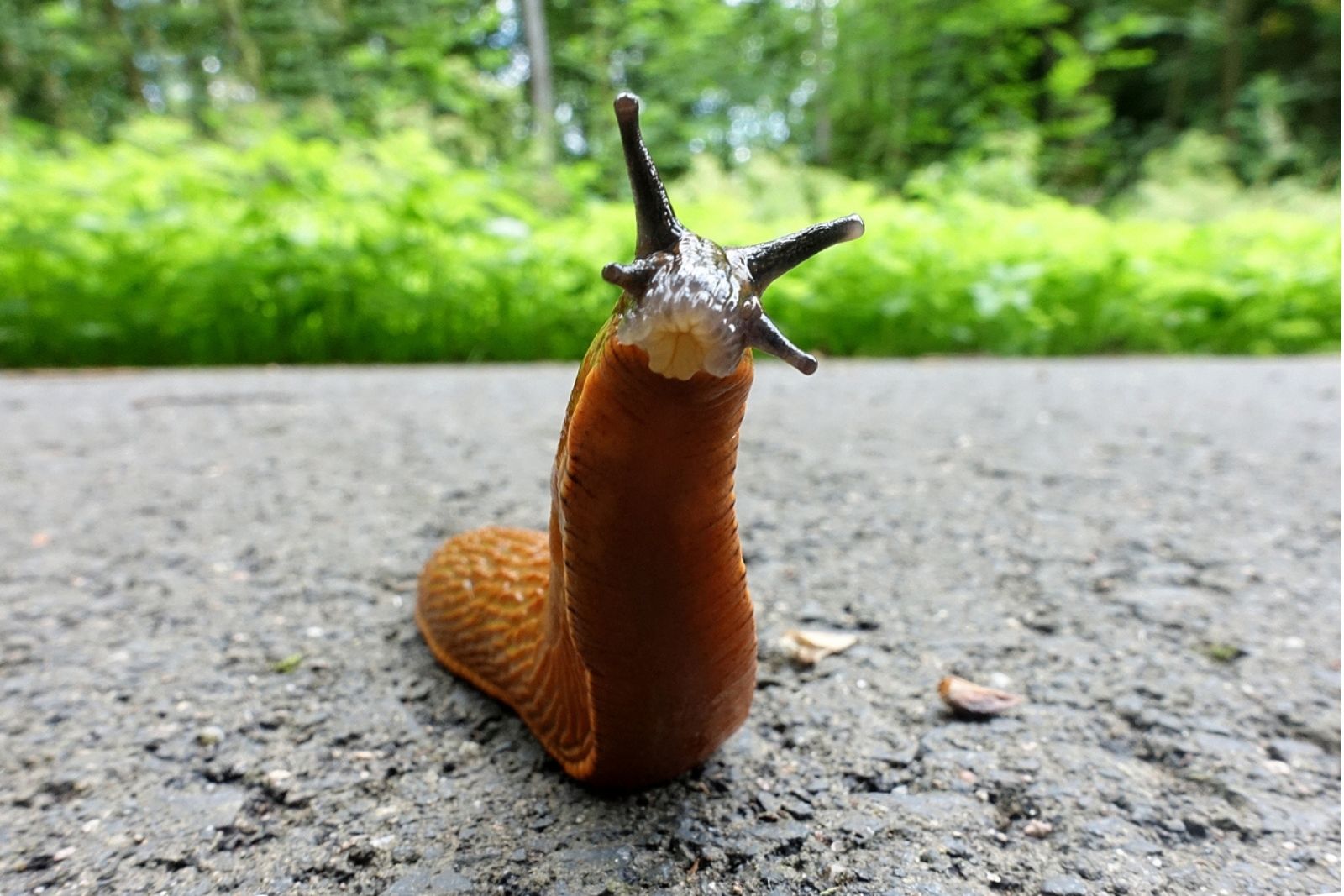
Crushed eggshells fail the basic crossing test. In a Royal Horticultural Society trial, researchers grew 108 lettuces for six weeks and found no difference between plants surrounded by eggshells and unprotected plants.
Ash has a different weakness: moisture. University of California Cooperative Extension says barriers made from ash, sawdust and similar materials become less effective when wet and may harm the soil. The University of Minnesota reports the same practical problem with diatomaceous earth, another dry abrasive: it has little effect after absorbing moisture.
Why does dampness matter? UC IPM explains that a slug moves on a muscular foot that continuously produces mucus, while damp ground supports that movement. Boards, weeds and dense foliage provide daytime shelter. Making the bed drier and less cluttered tackles the habitat rather than hoping a fragile ring stays intact.
The routine that actually reduces slugs
Start with the whole bed, then concentrate on the vulnerable seedlings.
- Water near sunrise. UC IPM says early irrigation shortens the time soil and foliage remain wet; drip irrigation reduces moist surfaces further.
- Remove shelters. Lift spare pots, bricks, boards, weeds and plant debris, then inspect beneath anything that must remain.
- Set a trap board. UC IPM suggests a 12-by-15-inch board raised on 1-inch runners; check underneath and remove the collected slugs every day.
- Patrol after dark. Oregon State University Extension recommends searching about two hours after sunset or early in the morning. Wear gloves and drop slugs into soapy water or seal them in a bag for disposal.
At first, UCCE advises collecting nightly until slugs become difficult to find, then checking once a week. Persistence matters more than any single barrier.
GrowVeg demonstrates an organic routine for stopping slugs from eating plants.
https://www.youtube.com/watch?v=VJvUwkFZeOM
When removal needs a pesticide backup
If plant damage continues, an iron phosphate bait can supplement the routine. The University of Minnesota says it damages a slug’s digestive system; feeding stops after several days, and death can take up to seven days. Scatter bait exactly as its label directs, never in tempting piles.
“Less toxic” does not mean harmless. Oregon State warns that dogs have suffered iron poisoning, while metaldehyde bait is highly toxic to pets. Keep every pesticide secured and away from children, wildlife and animals.
For individual seedlings, try turning an old nursery pot into a protective collar. If you are rebuilding the plot, these raised garden bed designs offer layouts that are easier to inspect and maintain.
Morning watering, cleared shelters and a flashlight patrol. That’s the trick.