Your old couch looks finished. The back cushions have gone flat, the seat sinks the second you sit down, and every time you walk past it you think the same thing: time for a new one. Maybe you’ve already priced replacement foam and winced at the number.
Hold off for a second.
An interior designer just brought her 11-year-old IKEA sofa back to life for seven bucks at the dollar store. No new couch. No new cushions. No tools, no glue, no sewing machine, no custom-order anything. The part that threw her off wasn’t whether the trick worked. It was something else, something she only figured out after her first attempt went completely sideways and made her sofa look worse than before she started.
The sofa almost ended up on the curb
Erika Dale, writing for Hunker, has had her IKEA KARLSTAD sofa since her wedding. Eleven years. Three homes. Two kids. Three dogs.
The covers were still fine. The cushions were toast. She and her husband kept talking about replacing it, and they kept landing in the same spot: with little kids and dogs tearing around the house, now wasn’t the time to drop a grand on a new sofa or custom foam. So they just lived with a saggy couch and tried not to think about it.
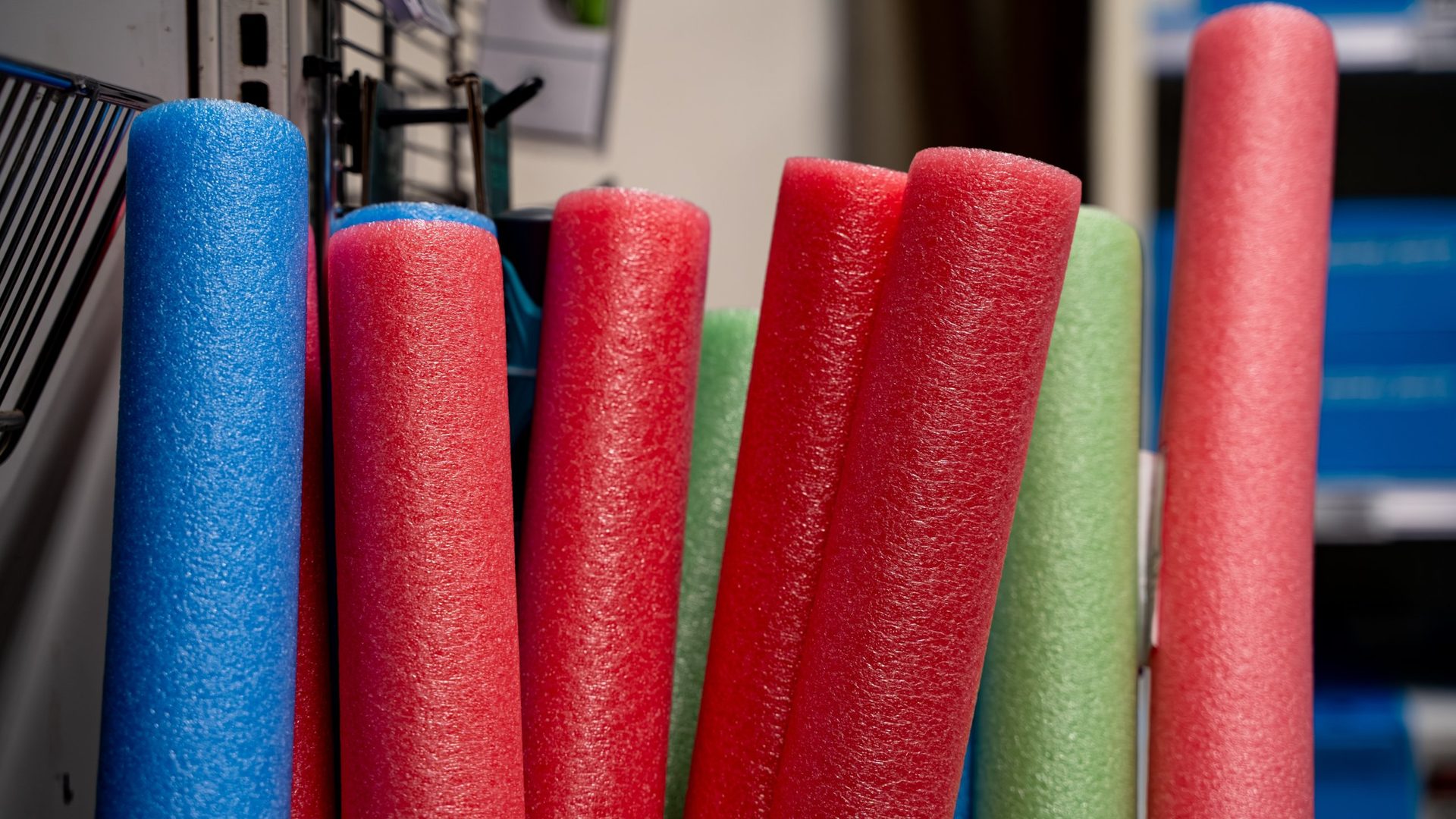
Then she saw a trick going around online that promised to revive a tired couch using pool noodles, the same cheap foam tubes kids float on in the summer. Sounded ridiculous. But replacing the sofa sounded worse, so she figured she had nothing to lose. She grabbed half a pool noodle from her garage and tried it on one cushion, just to see.
The small test that changed everything
Dale cut a piece to length, unzipped one cushion cover, slid the foam inside, zipped it back up, and fluffed it out.
Then she set it back on the sofa next to the two cushions she hadn’t touched. The difference, in her words, was night and day. The treated cushion looked fuller, sat higher, and held its shape. The two untouched ones looked tired next to it.
So she drove to the dollar store, bought a whole armload of noodles (seven total, enough for every cushion on the sofa), came home, and started on the seat cushions first. That’s where it fell apart.
What actually goes wrong for most people
The TikTok she first copied told her to shove the noodles underneath the seat cushions, so they’d push the cushions up from below. It made sense on paper. More lift from under equals a firmer seat, right?
Wrong.
On thinner cushions like hers, pushing from underneath didn’t firm anything up. It just lifted the cushions off the frame, left strange bumps across the seat, and made the whole couch look like somebody had hidden something under it. Which, of course, she had.
That’s the real problem with every version of this trick floating around online. More foam isn’t the answer. Foam shoved in the wrong spot makes a tired sofa look even worse than leaving it alone.
The fix is a completely different spot
So Dale pulled the noodles back out and tried something else.
Instead of stuffing them underneath, she slid two pool noodles inside the cushion cover itself, running along the back edge right next to the zipper, on every single cushion, seat and back. Not under. Not stuffed into the middle. Just a hidden strip of support along the one edge your body actually leans against.
No lift from below. No weird bumps across the seat. The cushions stayed flat on the frame where they belonged, but they held their shape now, because the back edge couldn’t collapse the way it used to.
The entire sofa came back. Seven dollars.
Will it work on yours? A 10-second check
Before you drive to the dollar store, press on your sofa and check three things. All three have to be yes:
- Zippered covers. You need to open the cushion all the way. Sewn-in cushions won’t work.
- Flat, box-shaped cushions. The straight edges hide the foam. Round, pillowy cushions will show the ridge.
- Saggy on top, solid underneath. If the frame and springs still feel firm and only the top has gone soft, you’re the right customer. If the whole seat caves when you sit, the problem is below the cushion and no noodle can reach it.
How to do it in about 10 minutes
- Measure the cushion insert, not the cover. That’s the length you cut each noodle to.
- Buy more than you think. Thinner noodles (around 2 to 2.5 inches wide, roughly 5 to 6 cm) need to be doubled up. Count on one to two per cushion, plus a spare.
- Cut them with a serrated kitchen knife. Three seconds each. A bread knife works great.
- Slide, zip, fluff. Open the zipper all the way, push both noodles in flat against the back edge, zip it shut, and work out any lumps with your hands.
- Put the cushion back and press down. You’ll feel the lift right away.
Why the back edge, specifically
The reason this spot works, and no other spot does, comes down to how you actually sit on a sofa. Your lower back and hips press into the back edge of the cushion, not the front and not the middle. That edge is the first part to collapse, and once it goes, the whole cushion tips backward and loses its shape.
A noodle laid flat along that edge gives it a small, firm spine. The front of the cushion stays soft to sit on, the middle stays flat on the frame, and the back edge finally stops caving. That’s the whole trick.
The honest part
A pool noodle won’t fix a cracked frame, blown springs, or foam that’s crumbled into dust. It fixes cushions that have gone soft on top and lost their shape, which is where most well-loved sofas start to look dead long before they actually are.
The real trick isn’t more foam. It’s support in the one spot the cushion forgot it needed.
Seven bucks. Eleven years of sofa. One corrected spot.