They’re back on the sunny side of the house, dozens of them some afternoons, warming themselves on the siding and testing the window frames. Every October the same ritual follows: a can of spray, a satisfying massacre, and a living room that somehow has more stink bugs in it by November than the year before. The spray was never the answer. With this particular insect, there is exactly one strategy that works, and it has to happen before a single bug gets inside.
The strategy is exclusion: physically closing the building. Brown marmorated stink bugs don’t breed indoors, don’t eat indoors, and don’t damage the house. They want one thing from you, a protected cavity to sleep through winter in, and they enter through openings most homeowners have never inspected. Every gap you seal this month is sealed against them for years.
Why sprays lose this fight
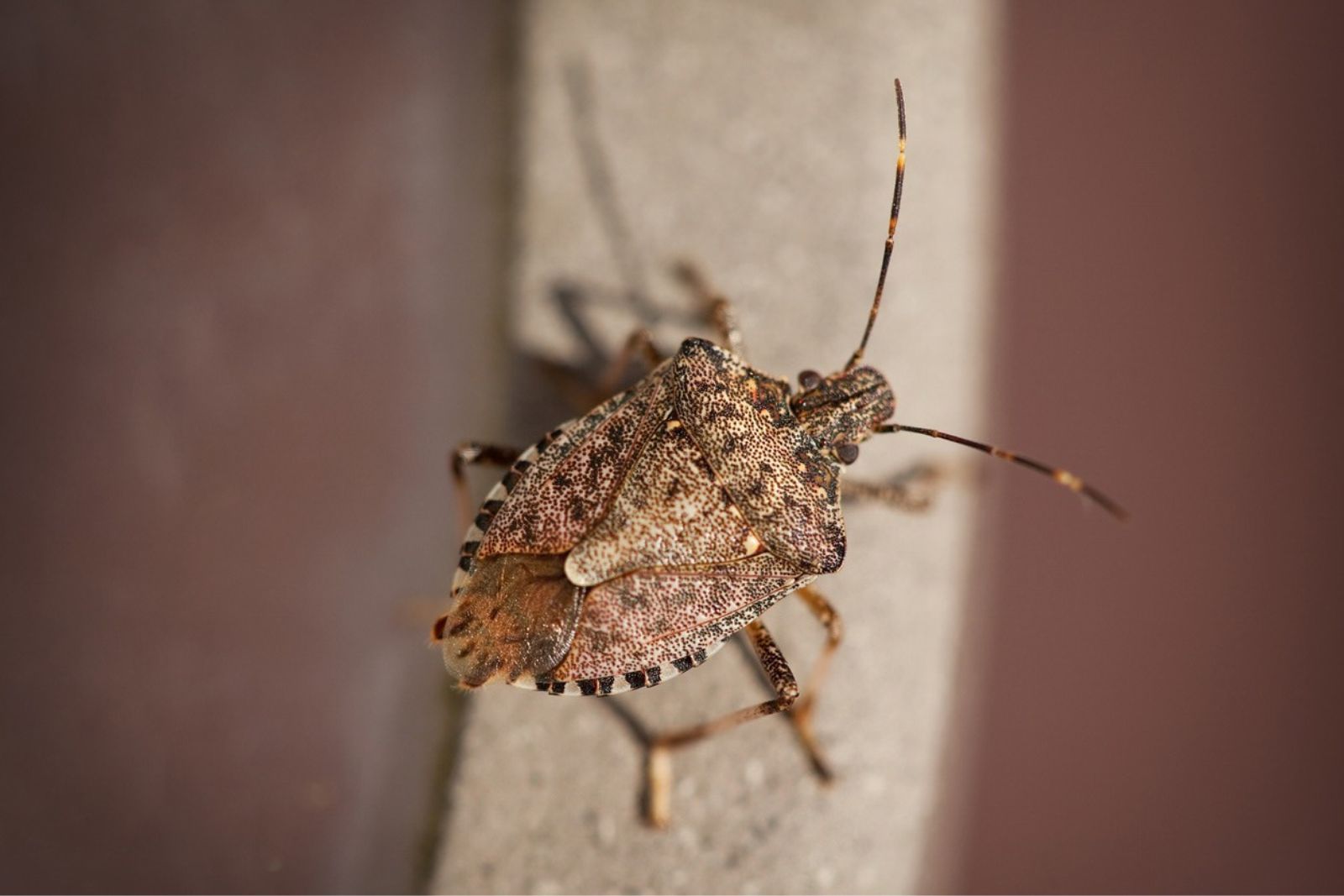
Insecticide kills the bugs it touches and does nothing about the openings, so next week’s arrivals walk in over the bodies. Indoors it’s worse than useless: bugs that die inside wall voids feed carpet beetles, and crushing or spraying the ones you see fills the room with their odor. One myth deserves burying: killing a stink bug does not attract more. What does is success: once bugs settle into a good overwintering spot, their scent signals mark the address for others. Which is exactly why the ones already indoors should be evicted the right way, not flattened; we covered that mistake, and the vacuum trick that replaces it, here.
The gestures that actually close the house
Work the exterior on a mild afternoon, when you can see where they’re congregating:
- Caulk the classics. Cracks around window and door frames, gaps where utility pipes and cables enter, seams in siding, the space under fascia boards and around the chimney. A quality silicone or silicone-latex caulk is the tool; a stink bug fits through a gap the thickness of a pencil.
- Fix every screen. One tear in a window screen is a door. Repair or replace, and check that screens seat tightly in their frames.
- Seal the moving parts. Fresh weatherstripping on doors and windows, door sweeps on exterior doors, and the garage door gasket, which is the largest “crack” most houses have.
- Screen the forgotten openings. Attic and gable vents and the chimney top take fine mesh; these are highways straight to the exact dark, quiet spaces the bugs are looking for.
- Dim the porch. Exterior lights left burning recruit them to the wall every evening; switch what you can off, or to motion sensors.
Window air conditioners deserve a special mention: pull them before the cold sets in, or seal around them, because bugs stream through the side panels.
The window is now
The flights to overwintering sites run from late September through October, on warm afternoons after the first cool nights. Sealing in November protects next year, which is still worth doing, since the same gaps admit lady beetles, cluster flies and mice. But a Saturday spent with a caulk gun this week pays off within days: the wall stays busy, and the house stays empty.
No product, no recipe, no trap. A tube of caulk, a roll of screen, and the patience to walk the house once. For this bug, that’s the whole war.