The new camera goes up over the garage on a Saturday afternoon. You open the app, tilt the lens a little wider to catch the whole street, and there it is in high definition: the sidewalk, the driveway, and also the neighbor’s side yard and upstairs window. The microphone is on, because it came that way. It feels like better protection. It may be the start of a legal problem.
This is not your fault. Cameras ship with wide lenses and audio switched on, and the box never explains where the law draws the line. The mistake is simple: recording more than you need, in places, and with sound, that the law protects.
Where The Legal Line Actually Sits
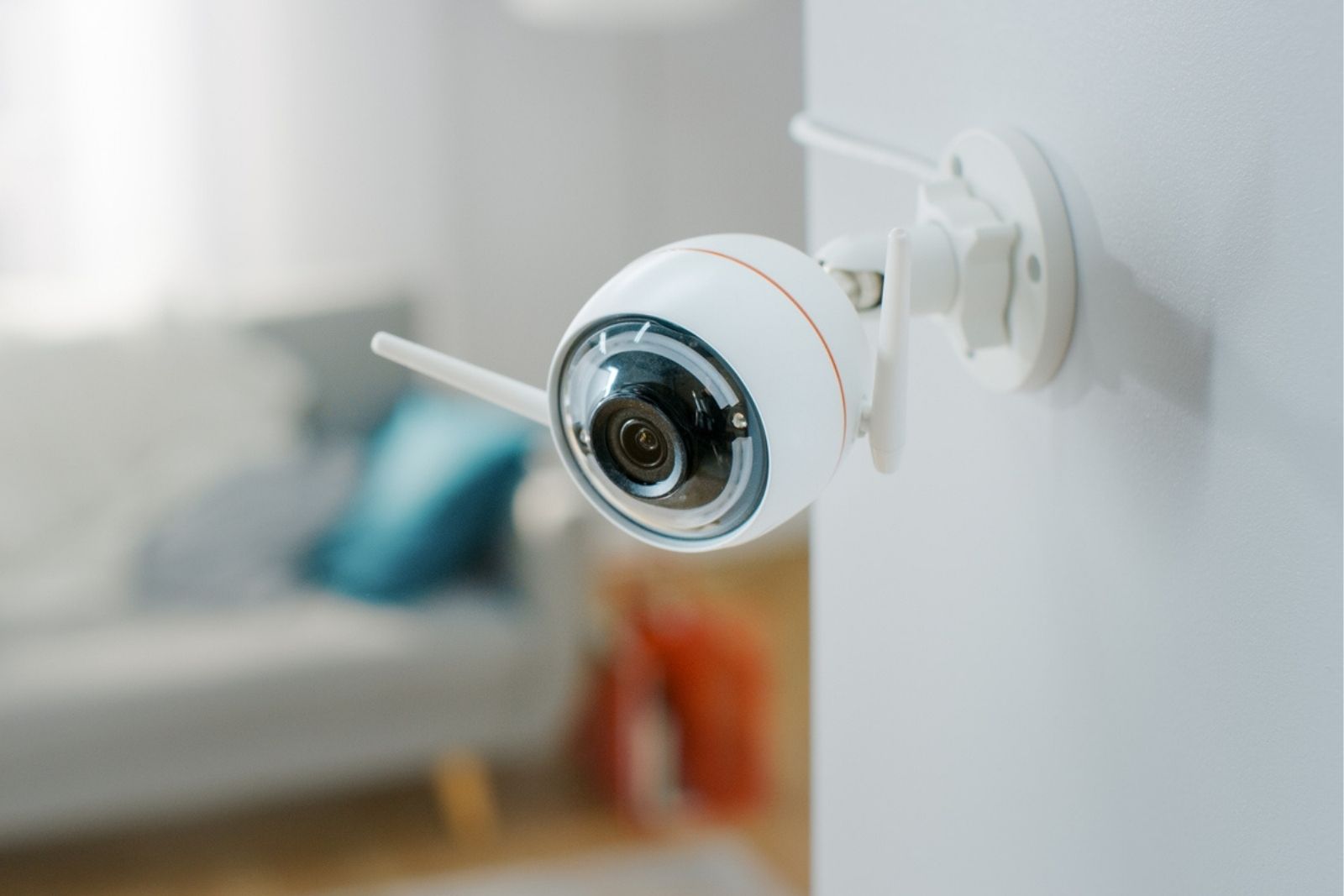
Video of public areas, like the street and the sidewalk, is generally allowed. Trouble starts where someone has a reasonable expectation of privacy. Footage aimed into a neighbor’s bedroom, bathroom or child’s room is far more likely to be treated as an invasion of privacy than a clip of your own front door. Camera maker Arlo’s advice for homeowners is direct: “Install them in a way that avoids pointing at private areas of their home.”
Audio is the bigger trap. Recording sound without consent can trigger wiretapping or eavesdropping laws, separate from any camera rules. Most states let you record a conversation if one party knows, but about 11 states primarily require all parties to consent: California, Delaware, Florida, Illinois, Maryland, Massachusetts, Michigan, Montana, New Hampshire, Pennsylvania and Washington. A camera at the front door quietly picking up passersby and neighbors talking can cross that line.
The Placement Rules That Keep Footage Useful And Legal
- Aim at your own entry points. Doors, the driveway, the side gate. Tilt the lens down until the frame stops at your property and the public street, and use privacy zones if your app offers them.
- Switch off audio unless you’re sure. Silent video avoids the consent question entirely, and it can be easier to use as evidence later.
- Never cover private spaces. Keep neighbors’ windows, backyards and anything resembling a bedroom or bathroom out of frame.
- Think before you post. Even a lawful clip can lead to a defamation claim if the person shown is misidentified or wrongly labeled a thief, and repeated posting can tip into harassment.
When To Get Advice
Rules on recording vary by state, and some details, like how footage can be used in a custody case or a dispute, depend on whether it was obtained legally in the first place. Keep in mind that footage doesn’t always stay private either: police can obtain home security video with your consent, with a warrant, or from the company that stores it. If a neighbor objects to your camera, talk first and adjust the angle. If it escalates, or if you want to keep audio on in an all-party state, ask a local attorney before you hit record. This article is general information, not legal advice.
Point at your doors, not their windows, and leave the mic off. That’s the trick.