
It’s the cleaning hack everyone’s aunt, every frugal-living blog and half the internet swears by: a cup of it in the drum now and then, and the washing machine stays fresh, descaled and odor-free. It’s cheap, it’s natural, it feels virtuous. And according to the people who actually repair washing machines, and now the manufacturers themselves, this beloved remedy is quietly eating your machine from the inside, one wash at a time.
The remedy is white vinegar, and the warning has gone official: Maytag now tells owners flatly not to pour vinegar into the drum, and Whirlpool and Bosch publish the same caution. The repair trade got there first: appliance technicians interviewed by Consumer Reports warn that regular vinegar use damages rubber seals and hoses to the point of causing leaks, with front-loaders the most vulnerable.
What the vinegar actually attacks
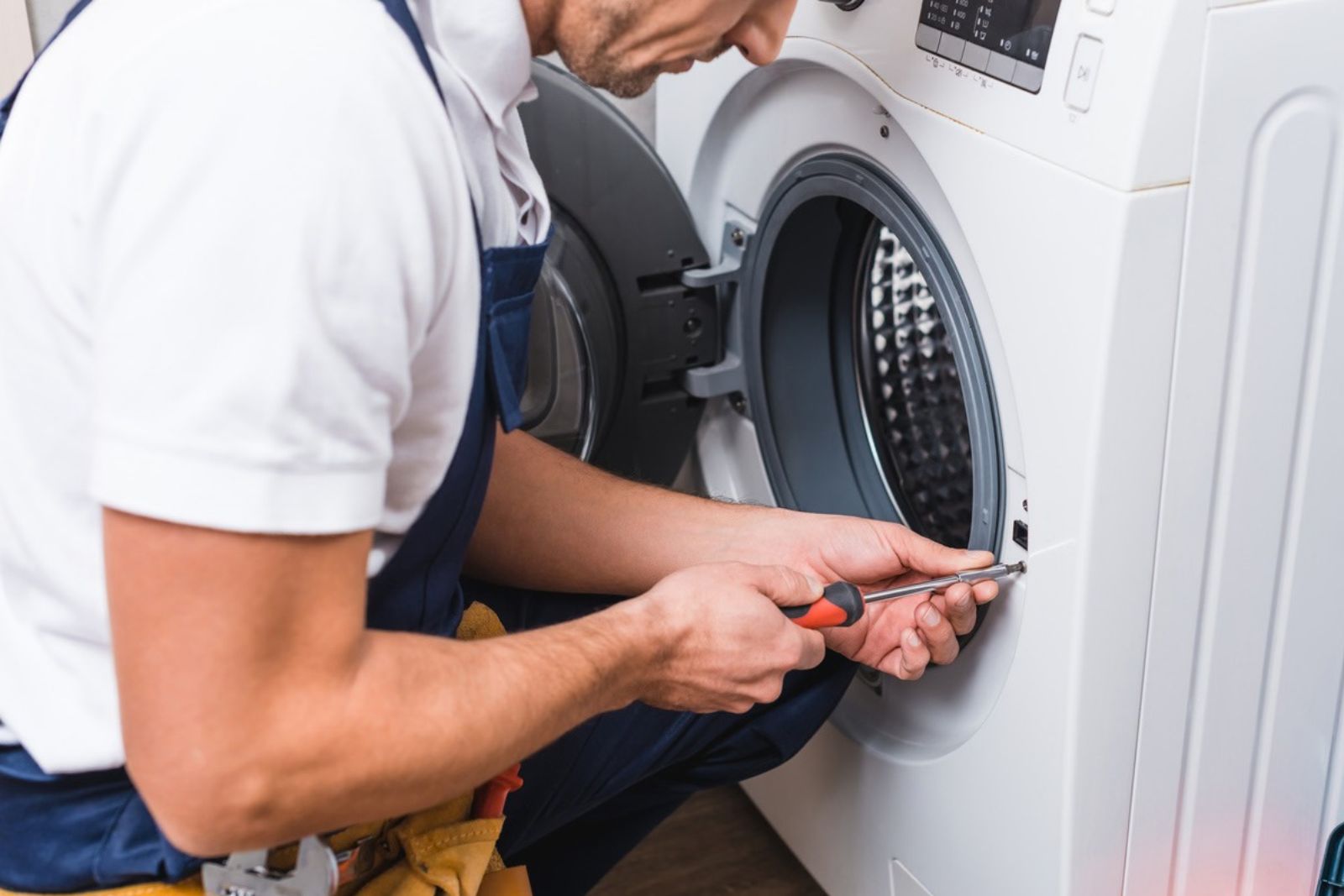
Your washer is a watertight box because of its soft parts: the big door gasket on a front-loader, the hoses, the small seals and valves hidden behind the drum. Vinegar is acetic acid, and a machine’s rubber compounds are engineered for the alkaline world of detergents, not for repeated acid baths. Each vinegar cycle leaches a little flexibility out of the rubber; over months and years it hardens, cracks, and stops sealing. The cruel part is the timeline: nothing happens for the first year, which is exactly why the remedy keeps its reputation. The bill arrives later, as a mysterious leak, a moldy gasket that won’t come clean because its surface is now micro-cracked, or a hose failure, and a burst washer hose is one of the classic causes of home flooding. The daily-use version of the habit, vinegar as fabric softener in every load, is the worst offender, because the exposure is constant.
What to use instead, job by job
- To deep-clean and deodorize the machine: a dedicated washing machine cleaner tablet (affresh and its store-brand equivalents) in an empty hot cycle, monthly. They’re formulated to strip detergent residue and biofilm without touching the rubber, which is the entire reason they exist.
- For the gasket and its smell: hands, not chemistry. Pull back the folds, wipe out the water and lint after laundry day, and leave the door cracked between loads so the rubber dries, the same one-second habit technicians preach for the dishwasher. Visible mold comes off with diluted bleach on a cloth (never in the same session as any acid), then a rinse.
- For soft, fresh laundry without softener residue: the honest answer is correct detergent dosing and an occasional oxygen-bleach soak, the same percarbonate routine that rescues greyed whites. If you love vinegar for laundry, keep it rare and small: a half cup, diluted, in the softener dispenser occasionally is a different exposure than a cup in the drum every week.
The rule hiding under the story
“Natural” says nothing about “harmless to rubber.” Vinegar earned its halo on windows, kettles and shower heads, all glass, metal and ceramic, where acid meets mineral and wins. Inside a machine built of gaskets and hoses, the same acid meets the parts that keep the water in. Use the right chemistry on the right material and the remedy stays a remedy.
One tablet a month for the machine, a wipe and an open door for the gasket, and the vinegar stays in the pantry, where its reputation is still deserved. Your washer’s seals will never thank you, but they’ll do something better: they’ll hold.


