Picture looking over the fence and seeing your neighbor dig, by hand, a hole far too big for a shrub. In Denmark, an unusual backyard excavation became the subject of a television show. And it all started with a simple request for a garden pond.
A pond request and a shovel
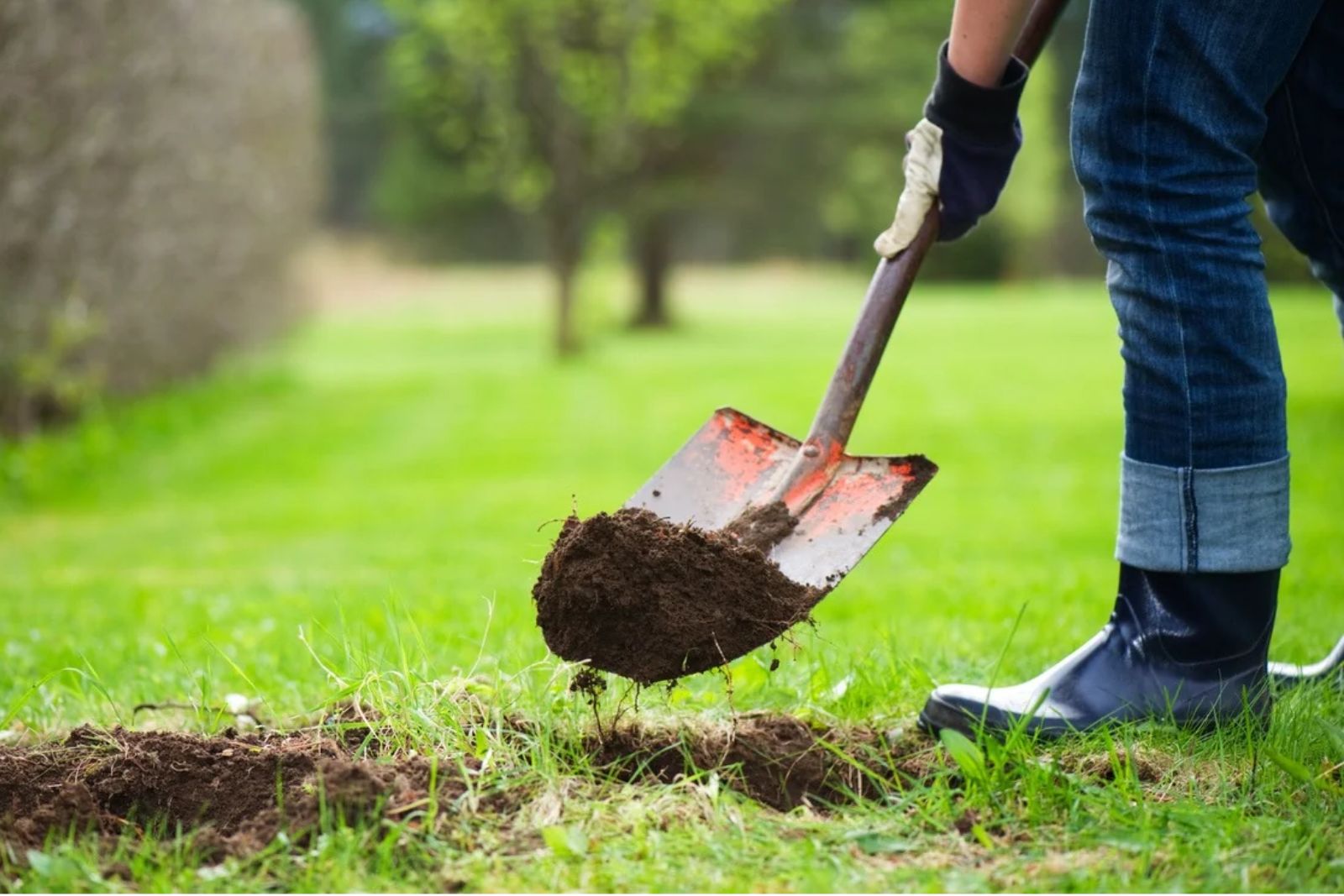
The hole wasn’t random. Danish satirist Rasmus Bruun’s wife wanted a pond in their garden. Instead of bringing in machinery, Bruun decided to dig the hole himself.
His project became Manden i hullet, or The Man in the Hole, a Danish television series that premiered on October 29, 2025.
Produced for Danish public broadcaster DR, the seven-part series follows Bruun as he works on the excavation with hand tools.
His friend and fellow satirist Frederik Cilius joins him as a self-appointed expert on holes, although his main contribution is philosophical rather than physical.
Between shovel loads, Cilius connects the excavation to Greek mythology, drawing on stories about figures such as Sisyphus, Theseus and Icarus.
The result is an unusual combination of manual labor, comedy and reflections on the search for meaning in everyday life.
According to coverage of the series, the simple act of digging also prompted conversations about why people might want to step away from their routines and do something tangible with their hands.
But the program doesn’t establish that digging holes has become a widespread Danish gardening trend. It tells the story of one man’s unusual project and the ideas it inspired.
One shovel load at a time
So what’s the appeal?
In the show’s premise, Bruun wants to perform a straightforward physical task without constantly searching for a deeper meaning. Digging gives him something concrete to focus on.
You push the shovel into the ground, feel the soil resist and lift one load. Right away, the hole looks a little different.
Repeat the movement, and your attention may shift toward your balance, breathing and the next patch of earth.
For some people, repetitive outdoor work can provide a welcome break from screens and interruptions. The progress is visible, and the task has a clear physical result.
That doesn’t mean digging has been proven to treat anxiety, depression or other mental health conditions.
Nor does it mean that strenuous excavation is suitable for everyone. Digging can place considerable demands on the back, shoulders and cardiovascular system, particularly when the soil is compacted or the hole becomes deep.
If the appeal is simply spending time outdoors and working with your hands, lighter gardening activities may offer a more manageable alternative.
But if you do have a practical reason to dig, the show’s original goal offers one possibility: creating a small wildlife pond.
Turning the hole into a wildlife pond
The television project began with a request for a pond, and a small wildlife pond can be a rewarding addition to a suitable garden.
It can provide drinking water and habitat for insects, amphibians and other wildlife. It also fits naturally among broader garden ideas that emphasize outdoor spaces with ecological value.
According to Oregon State University Extension Service, a pond measuring approximately 3 by 5 feet can be suitable for a smaller yard.
Before planning the excavation, check local regulations, property boundaries and any permit requirements. Consider whether the location could create a drowning hazard for children or other vulnerable visitors.
In the United States, contact 811 before digging to request the location of underground utilities. Wait for the required markings and follow local excavation rules. Privately owned utility lines may require separate identification.
Once the site is confirmed safe, choose an area that receives approximately five to six hours of sunlight daily, depending on the plants you intend to grow.
Avoid placing the pond directly beneath overhanging trees, where falling leaves can accumulate and affect water quality.
Use a garden hose or string to outline a curved, irregular shape. This helps you visualize the finished pond before removing soil.
As you plan the excavation, include shallow margins and gently sloping access points. Wildlife needs a way to enter and leave the water safely, and steep-sided holes can trap animals.
For a lined pond, create suitable planting shelves, remove sharp stones and roots, and prepare the base according to the liner manufacturer’s instructions.
A protective underlayment can help prevent damage to a flexible pond liner. Install the liner without stretching it tightly across corners or shelves, then add water gradually so it settles into place.
Use aquatic plants suited to your local environment, favoring native species where available. Oregon State University recommends combining submerged, floating and marginal plants to provide different types of habitat.
Leave some open water rather than covering the entire surface with vegetation. A balance between planted areas and open water can support a wider range of wildlife.
If wildlife conservation is the goal, avoid introducing fish without expert guidance. Fish can prey on amphibian eggs, larvae and aquatic invertebrates.
Also consider water quality. If your tap water contains chlorine or chloramine, use an appropriate treatment method before introducing sensitive aquatic life. Simply leaving water to stand for a few days does not reliably remove chloramine.
Finally, let local wildlife discover the pond naturally. Avoid collecting frogs or other animals from the wild and relocating them into your garden.
Where the hole stops being a good idea
Digging a hole doesn’t prove that Denmark has embraced a nationwide backyard excavation trend. The documented story centers on a television series, not a measured change in gardening behavior.
The show’s philosophical appeal also shouldn’t be confused with medical evidence. Digging has not been established as a treatment for persistent anxiety, depression or other mental health conditions.
There are practical limits, too. Large or deep excavations can collapse, damage buried infrastructure or create serious fall and drowning hazards.
Never enter an unsupported excavation with unstable sides. If a project requires a substantial hole, retaining structures or complex drainage, consult a qualified professional rather than attempting the work alone.
A wildlife pond should be designed around safety, local conditions and the needs of the species it may attract.
The lasting appeal of Manden i hullet is simpler than a gardening trend: one person picked up a shovel, started a task and discovered that the act itself could become a story.