You know the routine: move a load of towels from the washer, clear the lint screen, and hope the dryer finishes before bedtime. When it’s time to replace that familiar machine, the choice in the appliance aisle may come down to more than the price tag, especially if you’ve been watching your electric bill.
In short
- Heat pump dryers replace the outside vent with a system that reuses warm air.
- They fit laundry spaces that have no exterior dryer vent.
- ENERGY STAR certified models use around 70% less energy than conventional dryers.
- Lower drying temperatures are gentler on your clothes.
The vent no longer chooses the room
View in gallery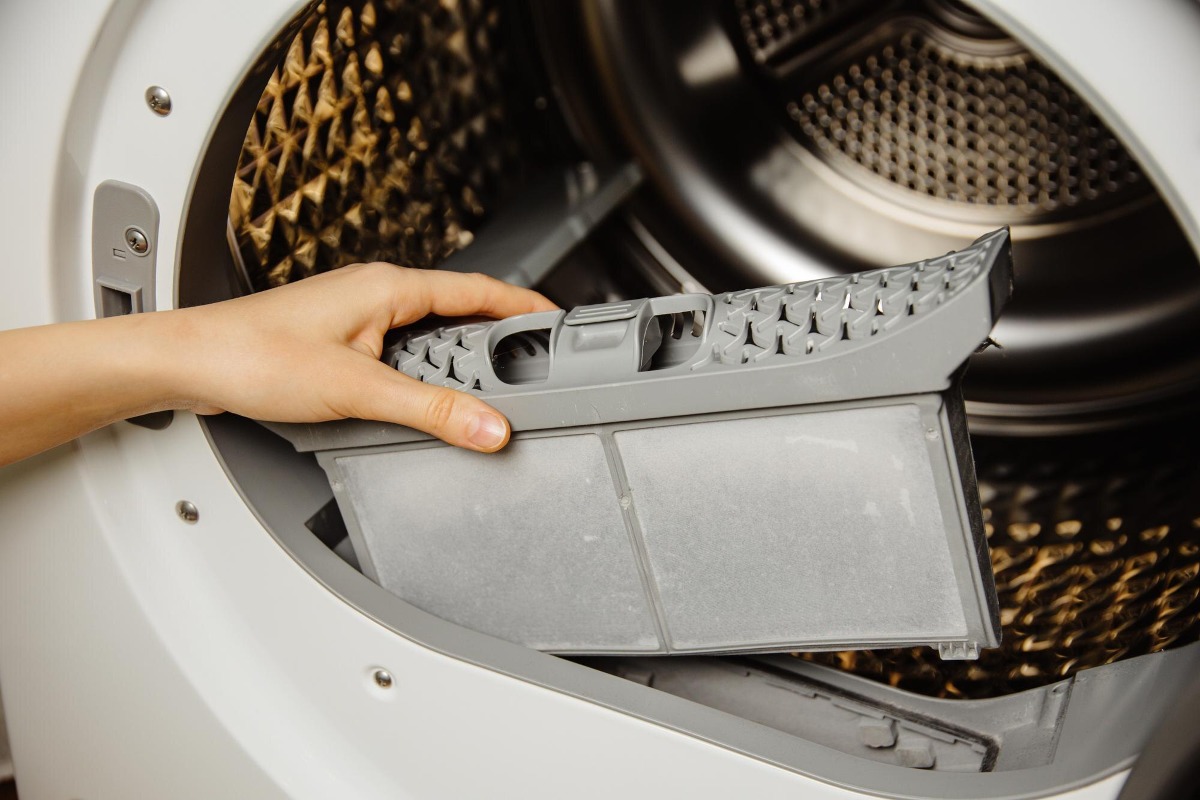
Picture the spot where you fold towels. In many homes, the dryer sits there because that is where the vent goes through the wall. A heat pump dryer changes that part of the equation: it does not need to send hot air outside.
That opens up laundry spaces without an exterior dryer vent, including an apartment or a room where venting was never installed. If you are planning a laundry room, the vent no longer has to decide where the dryer belongs. If you already have a space in mind, you can think about how it works for you rather than where a duct can reach.
The difference reaches beyond the laundry room, too. A conventional vented dryer sends heated air out of your home while it runs. A heat pump dryer keeps that air in its drying cycle, which helps reduce heat loss during colder months. It is a quieter kind of change than a room makeover, but one you can appreciate every time you do a load.
The warm air gets another turn
Think about a load of bath towels straight from the washer. A vented dryer heats air, moves it through the towels, then sends that warm, damp air outdoors. A heat pump dryer works with the warmth already moving through the machine instead of continually throwing it away.
Inside, it circulates the air through a closed loop. Refrigerant absorbs heat from the air, and moisture from the clothes condenses. The air is warmed and used again to keep drying the load. That reuse is the heart of the difference, not a special setting you have to remember to choose.
You still get dry laundry to put away. What changes is how the machine handles the air along the way. The same design that removes the need for an outside vent also lets the dryer use much less energy than a conventional model.
Your clothes get a gentler dry
It is easy to notice a sweater that comes out smaller or a favorite T-shirt that has lost some of its color. Heat pump dryers work at lower temperatures than traditional vented dryers, which helps prevent shrinkage and fading. That gentler treatment matters when the clothes in the basket are pieces you want to keep wearing.
The energy difference shows up in the numbers as well. ENERGY STAR says its certified heat pump dryers use around 70% less energy than conventional clothes dryers. Instead of paying to heat air that leaves the house, you are running a machine that puts warmth back to work.
Over the life of the appliance, that lower energy use adds up. Estimated lifetime savings for an ENERGY STAR certified heat pump dryer can exceed $500 compared with a conventional dryer. For you, the appeal is both practical and familiar: dry the clothes, take better care of them, and use less electricity doing it.
The limit
A heat pump dryer usually costs more upfront and takes longer per load than a vented model; estimates run from about 15 to 40 extra minutes, and some full loads take roughly 1.5 to 3 hours. Energy comparisons also vary by method, from 28% more efficient to around 70% less energy, so savings on your bill will depend on your electricity costs and how often you dry clothes. If speed matters most and you already have a vent, a conventional dryer may suit you better. Consumer Reports members also cited lint clogging in 6% of cases involving heat pump dryers.