You know the awkward dance of rinsing a roasting pan while dinner plates crowd the other side of your kitchen sink. If you’re planning a remodel, designers are taking a fresh look at that familiar divider, the one you’ve worked around during countless after-dinner cleanups.
In short
- The single-bowl sink is replacing the traditional double-bowl sink in many kitchen designs.
- One open basin gives you room to wash large pans and baking sheets.
- A workstation sink adds built-in ledges to that open-bowl design.
- Designers are installing more single-bowl sinks as the equal-size double bowl falls out of favor.
Double sinks are giving way
View in gallery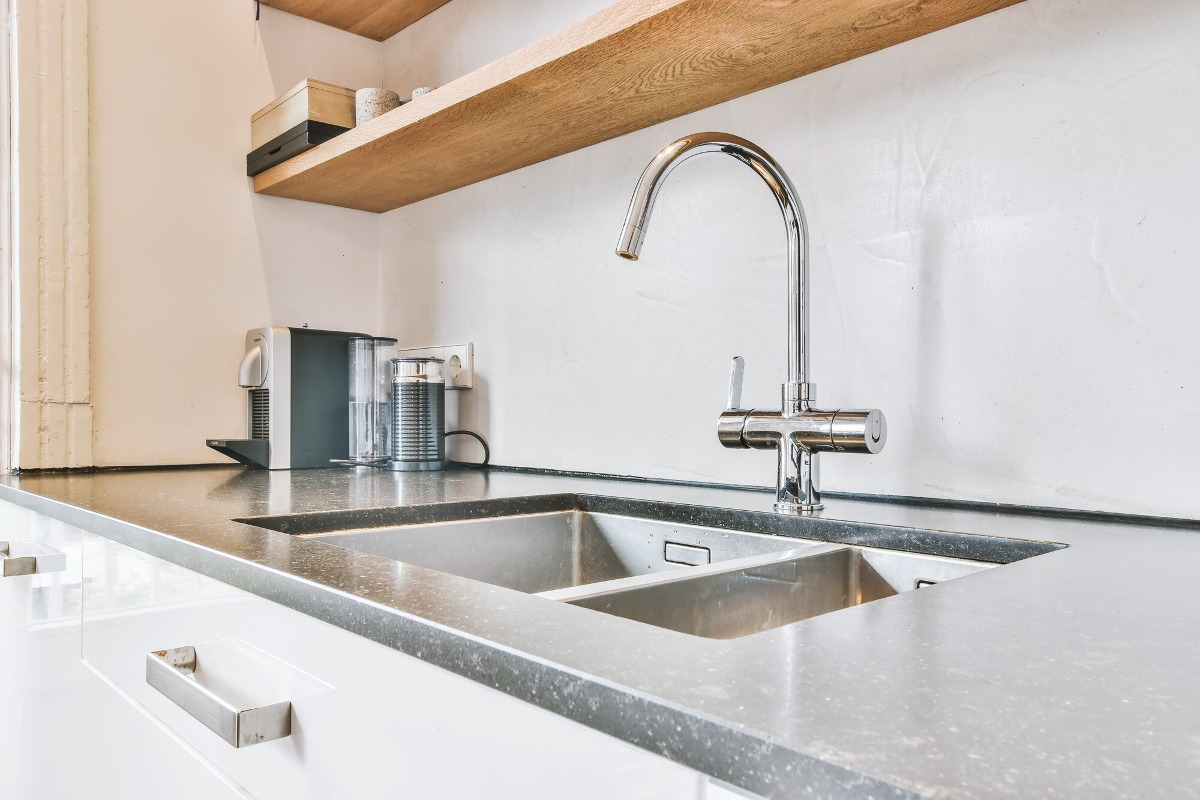
Think of the sink you have used for years: soapy dishes on 1 side, room to rinse on the other. That split made sense for the job. Now picture trying to lower a baking sheet into either half. Suddenly, a wide sink can feel surprisingly small.
Architect Jerome Buttrick sees a change in the kitchens being designed today. “We see the trend moving away from the double-bowl sink,” he says. He and appliance retailer Williams of Cherin’s Appliances both report seeing many more single-bowl sinks installed than double-bowl models.
The replacement is simple: 1 basin across the space instead of a divider down the middle. Williams says customers often choose a single bowl about 28 to 30 inches long. That gives them room to do 2 things in the sink at once, without asking either task to fit inside a narrow half.
One open bowl makes room
After dinner, the difference shows up when you carry over a large pot. In a single bowl, you can lower it in, turn it and wash it without working around a divider. The same open space makes room for pans and baking sheets that need soaking.
The layout also puts the garbage disposal where it can catch food debris from across the basin. For everyday cleanup, that means the whole sink works as 1 washing area. You are not shifting a pan from side to side just to find enough room to move it.
Size matters here, too. Commercially made single-bowl sinks can reach 33 inches long, while double-bowl models can reach 48 inches. A double sink can take up more counter space even as its divided basins leave less usable room for a large pan. In 1 published comparison, a Kraus 32-inch single-bowl undermount sink was listed at $224.95 at Home Depot; a comparable 33-inch double-bowl model was listed at $299.95.
Workstation sinks add another surface
If your sink is where cooking and cleanup meet, the workstation version takes the single-bowl idea further. These sinks have built-in ledges, giving you a place to work over the basin. Some are two-tiered and reach up to 48 inches long.
Kitchen designer Catherine Weiland says using a workstation sink changed how she thinks about kitchen layouts and the flow of work through them. You still get the open basin for a big pot or baking sheet. The ledges add another way to use the same busy spot in your kitchen.
That combination is part of the current shift. A 2026 kitchen trend roundup highlights workstation sinks with built-in ledges and deep single bowls, while naming the equal-size double bowl as a fading look. The practical appeal is easy to see when the pan in your hands finally fits.
The limit
A single bowl does not keep dishes touched by raw meat juices apart from everything else in the sink. If you rely on separate basins for that job, a double bowl still has a purpose. Depth deserves a look as well: Buttrick says a shorter person benefits from a shallower sink and points to a 10-inch-deep basin for someone who is 5 feet 3 inches tall.