The snake plant beside your bookcase is still alive, still upright, and looks almost exactly the way it did the day you brought it home. That’s the catch: if you want greenery that grows into the room and picks up some character along the way, those neat spikes may not deliver it. And one glossy-leaved plant is ready to claim that corner.
From neat spikes to a small indoor tree
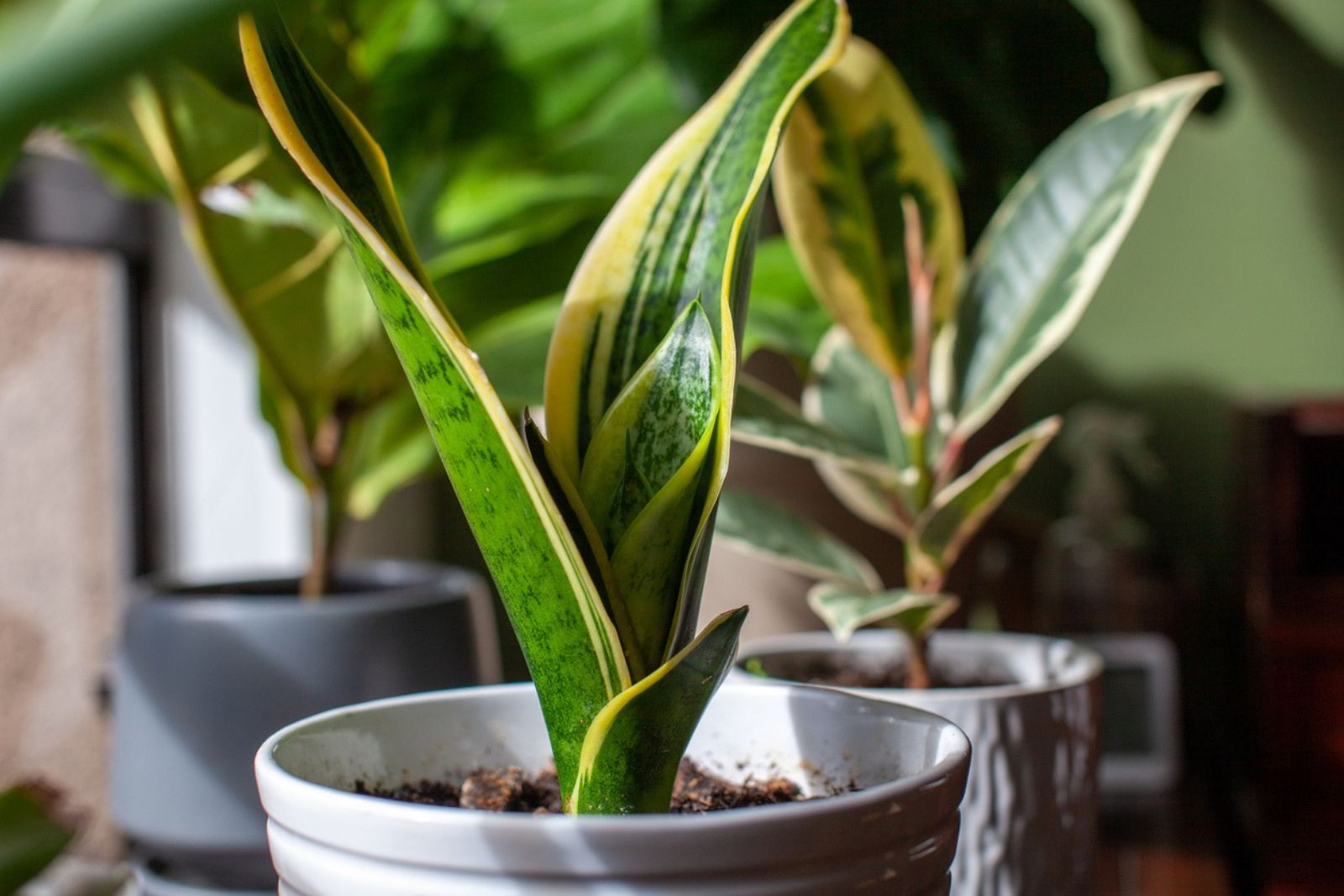
Don’t worry, nobody is asking you to toss your snake plant. The “goodbye” is really a shift in emphasis. The new look favors fewer, bigger plants with mature shapes, unusual growth and more personality. Large monstera, dracaena and statement ficus all fit that mood.
But one stands out as the most natural replacement for that spot by the bookcase: the rubber plant, or Ficus elastica. It keeps the same upright habit you already like. Its broad leaves, though, give it the presence of a small indoor tree, the kind of shape decorators are putting on their houseplant trend lists.
What those big, glossy leaves do
Look at your snake plant for a moment. It’s a compact bundle of narrow, vertical lines. A rubber plant does something different. It spreads broad, glossy oval leaves around a central stem. Those wide surfaces catch the window light, cast soft shadows and take up more space around the pot.
That size lets one rubber plant fill the empty space beside a sofa or console without cluttering a shelf.
Color plays a part, too: dark green and deep maroon varieties suit warmer, moodier rooms. Cream or pink variegation brings a lighter touch.
And unlike your snake plant, this one won’t stay the same. New leaves arrive tightly rolled before they open. Stems lean toward the window. Older plants can branch into shapes all their own. Those little imperfections become part of the look, not a reason to replace the plant.
First the window, then the watering can
Pick the spot before you pick the pot. Rubber plants grow best in bright, indirect light. An east-facing window gives gentle morning sun. If your window faces south or west, a sheer curtain can soften the heat. Keep the plant away from heating vents, air conditioners and cold drafts.
Then choose a container with drainage holes. When it’s time to water, press a finger 1 to 2 inches into the soil. Water only when that layer feels dry. Pour slowly until water runs out the bottom, then empty the saucer so the roots aren’t left sitting in it.
You can skip the fixed Sunday watering ritual. A calendar can’t keep up with changing light and seasonal growth, so just repeat the finger test instead.
Those big leaves also show dust quickly. When they look dull, wipe them with a damp cloth while you support each leaf with your other hand. During the growing season, add a quarter-turn habit: rotate the pot 90 degrees once a week, so every side gets light over a month. The plant’s lean spreads out, and it stays nicely balanced.
Gloves on, and when the snake plant stays
When a leaf or stem is damaged, a rubber plant releases a sticky white sap that can irritate skin or the stomach. Wear gloves when you trim it, and keep it out of reach of children and pets that chew leaves.
It’s also not a swap for a truly dark corner. Without bright, indirect light, a rubber plant may thin out or drop leaves, and the less fashionable snake plant could remain the wiser choice.