You catch a black cat watching from the kitchen doorway as you put away groceries, and that steady stare brings up every old story you’ve heard about them. Those stories don’t stay on Halloween decorations: they can shape what you expect when you meet a cat at the shelter.
In short
- Black cats seek out their people and form close bonds with them.
- Shyness around new people or places is caution, not a lack of affection.
- Stories about black cats and bad luck come from superstition.
- Black cats made up 31% of cat adoptions in ASPCA data.
Black cats grow close to their people
View in gallery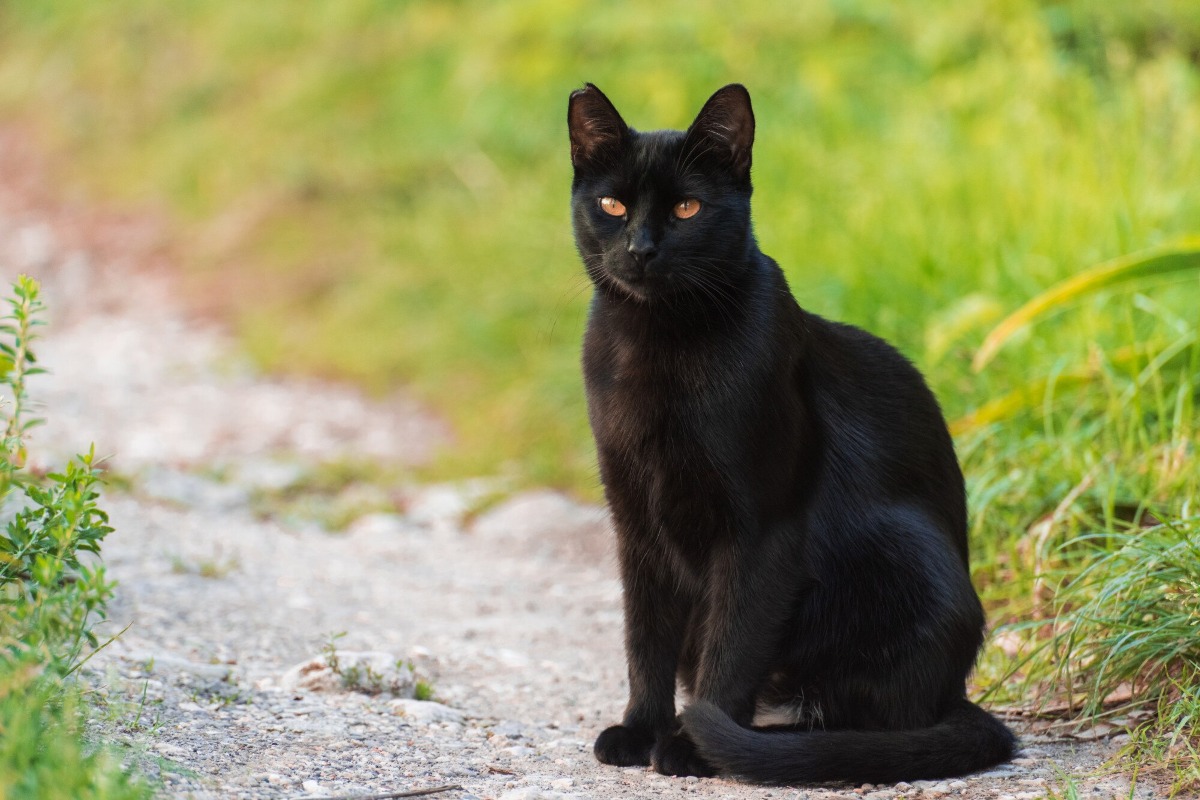
You bring a black cat home, and it slips out of sight when a visitor arrives. Later, when the house is quiet, it comes looking for you. That contrast is at the heart of what veterinarian Carlos Gutiérrez says about these cats: “Black cats get very close to their owners, but they can be a little shy.”
Gutiérrez describes black cats as animals that seek out the people who care for them and build strong bonds. A new room, an unfamiliar guest, or a move can bring out their cautious side. That reserve is a protective response, he says, rather than hostility toward the person standing nearby.
So the cat that keeps its distance from company can still want to be near you. Gutiérrez describes most black cats as showing loyalty in daily life and communicating clearly with their people. The first moments in a strange setting tell you less than the relationship that develops at home.
An old story shaped their reputation
There is a reason a black cat can still make someone think of Friday the 13th. The connection to bad luck has been repeated for generations, alongside older stories that tied cats to the occult. None of that tells you how a cat will behave when it settles into your home.
Written accounts of the occult association reach back to the 13th century. A papal document issued by Pope Gregory IX in 1233, called Vox in Rama, is part of that history. The story traveled a long way from those records to the familiar image of a black cat as an omen.
Those old ideas also sit beside a more everyday assumption: that a black cat is aloof. In a University of California, Berkeley study about cat color and adoption, people were more likely to describe black cats, along with white and tri-colored cats, as antisocial or distant. The study captured people’s perceptions, not a verdict on the cats themselves.
Adopters are choosing black cats
Walk past the black cats when you imagine visiting a shelter, and you could miss the cat looking for a person of its own. The belief that black cats are rarely chosen does not match the ASPCA adoption figures in the verified data. Black cats accounted for 31% of cat adoptions, compared with 20% for gray cats and 18% for brown cats.
Those numbers came from a review of about 300,000 dogs and cats across 14 U.S. regions. They put a different picture beside the familiar superstition. Plenty of adopters are bringing black cats home, where the close bond Gutiérrez describes has room to grow.
The limit
A black coat cannot promise a particular personality or tell you how quickly a cat will trust you. Research on cat coat color and personality is no substitute for getting to know the animal in front of you. Socialization and environment matter more than fur color, and each cat brings its own experiences to a new home.