The forecast says 30°F tonight, so you throw an old bedsheet over the last tomatoes and the potted mums on the porch and call it done. At dawn, the sheet is in a heap against the fence, the leaves underneath are limp and dark, and the one plant that stayed covered is the one where the corner snagged on a stake.
This is not your fault. A frost cover only protects what it actually covers, and a sheet in the wind doesn’t stay put. That’s where the clothespin comes in. It isn’t an anti-freeze trick on its own: it’s the clip that keeps the cover sealed and in place all night. New Mexico State University Extension even describes a low-tunnel setup in which the edges of the plastic are clipped together at the wire with clothespins.
Why a loose cover lets the cold in
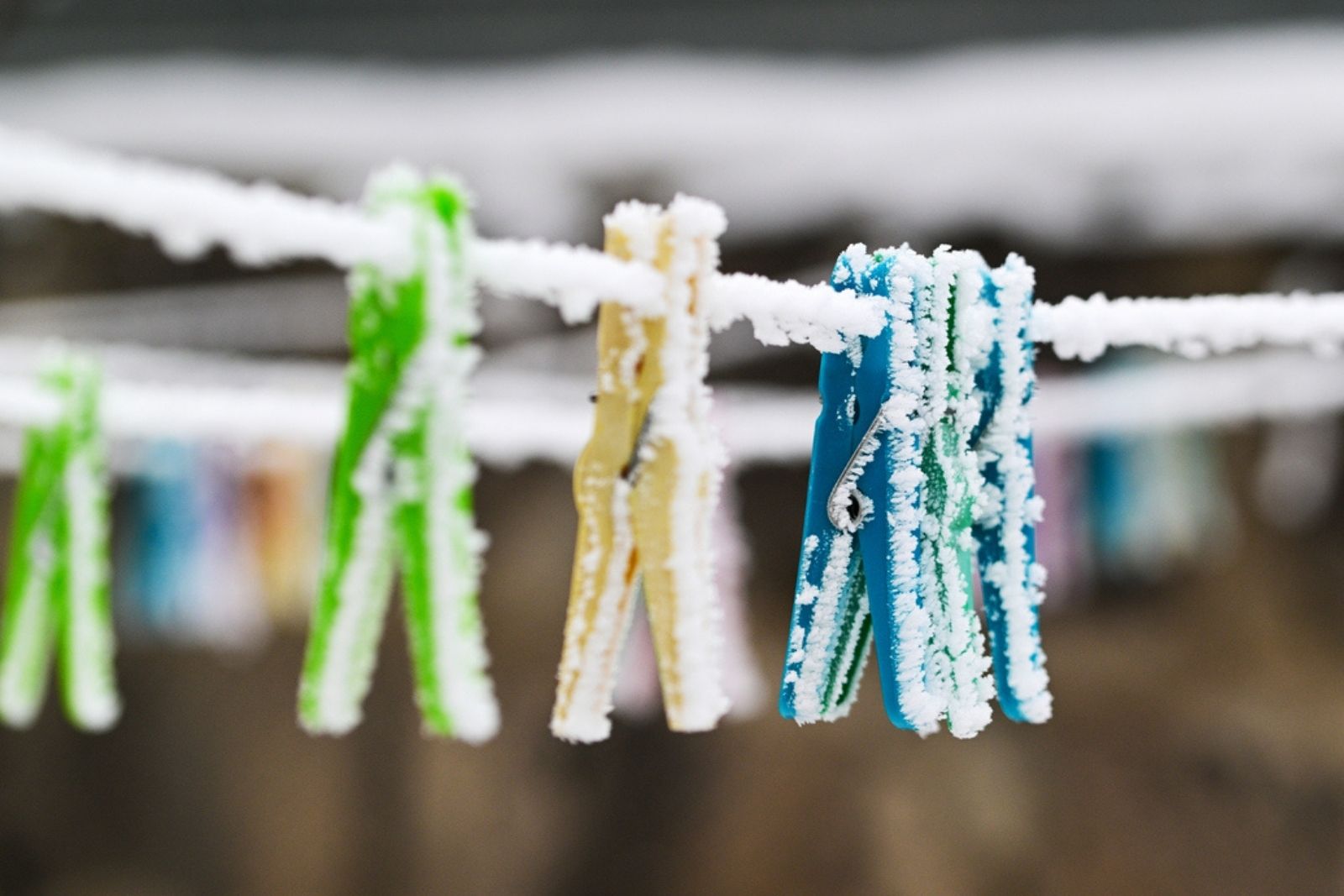
A cover doesn’t make heat. It holds in the warmth the ground soaked up during the day. Paul Thomas, a horticulturist with University of Georgia Cooperative Extension, advises covering plants before sunset to retain some of the heat trapped in the soil. If the wind lifts one side, that pocket of warmer air drains away.
The gain is modest but real. New Mexico State says row covers weighing 0.5 to 1.25 ounces per square yard give 2 to 6°F of frost protection. On a night that dips just below freezing, those few degrees can be the difference, as long as the cover stays where you put it.
How to use the clothespin trick tonight
- Pick a breathable cover. Thomas says anything from frost-reduction fabric to blankets and sheets will work, but never plastic sheeting, which can trap too much heat.
- Cover before sunset. That’s when the soil is still holding the day’s warmth.
- Drape it over supports. Unsupported covers can rub on plants and damage leaves, stems or flowers, New Mexico State notes, so let the fabric rest on tomato cages, stakes or a hoop.
- Clip it down. Pin the fabric to the cages, stakes or the rim of each pot with clothespins, and clip overlapping sheets together so there’s no gap. Use the larger opening, the one designed to grip fabric, as explained in the two holes in clothespins.
- Seal the bottom edge. New Mexico State secures cover edges with fabric pins or soil. A few rocks or a line of soil along the hem keeps the cold air from sneaking under.
- Uncover in the morning. Thomas recommends removing coverings just after sunrise so the plants don’t scorch. With clothespins, that takes a minute.
No clothespins on hand? Weight every edge with soil or rocks instead. It’s slower to undo each morning, but it seals just as well.
Where the trick stops working
A few degrees of protection won’t save tender plants from a hard freeze. When the forecast drops well below freezing, move potted plants into a garage or shed and harvest what you can from the garden.
Over a long cold spell, check every clip each evening before you cover the plants again. And keep the cover off the leaves whenever possible: the supports matter as much as the clips.
The old habit was never about the clothespin itself. It was about a cover that stays sealed from sunset to sunrise. That’s the trick.