
The forecast calls for frost, so you carry the hibiscus, the geraniums and the big fern inside on a chilly evening and line them up by the window. Two weeks later, tiny white insects lift off every time you water, the leaves feel sticky, and the houseplants that never went outside are starting to look speckled too. The patio plants survived the cold. Your living room didn’t survive the move.
This is not your fault. Pests don’t announce themselves, and a plant that looks clean from a few feet away can carry eggs under its leaves and insects in its soil. The mistake is moving it straight from the porch to the living room. A little order on the way in changes everything.
Why the timing and the pests go together
Many of the patio plants that come inside for winter are tropicals, and cold hurts them before frost does. Clemson Cooperative Extension notes that temperatures of 50°F or lower can damage many tropical plants, and Iowa State suggests starting the move when temperatures drop below 50 to 60 degrees. So the move often happens in a rush, on the first cold night, which is exactly when the cleaning step gets skipped.
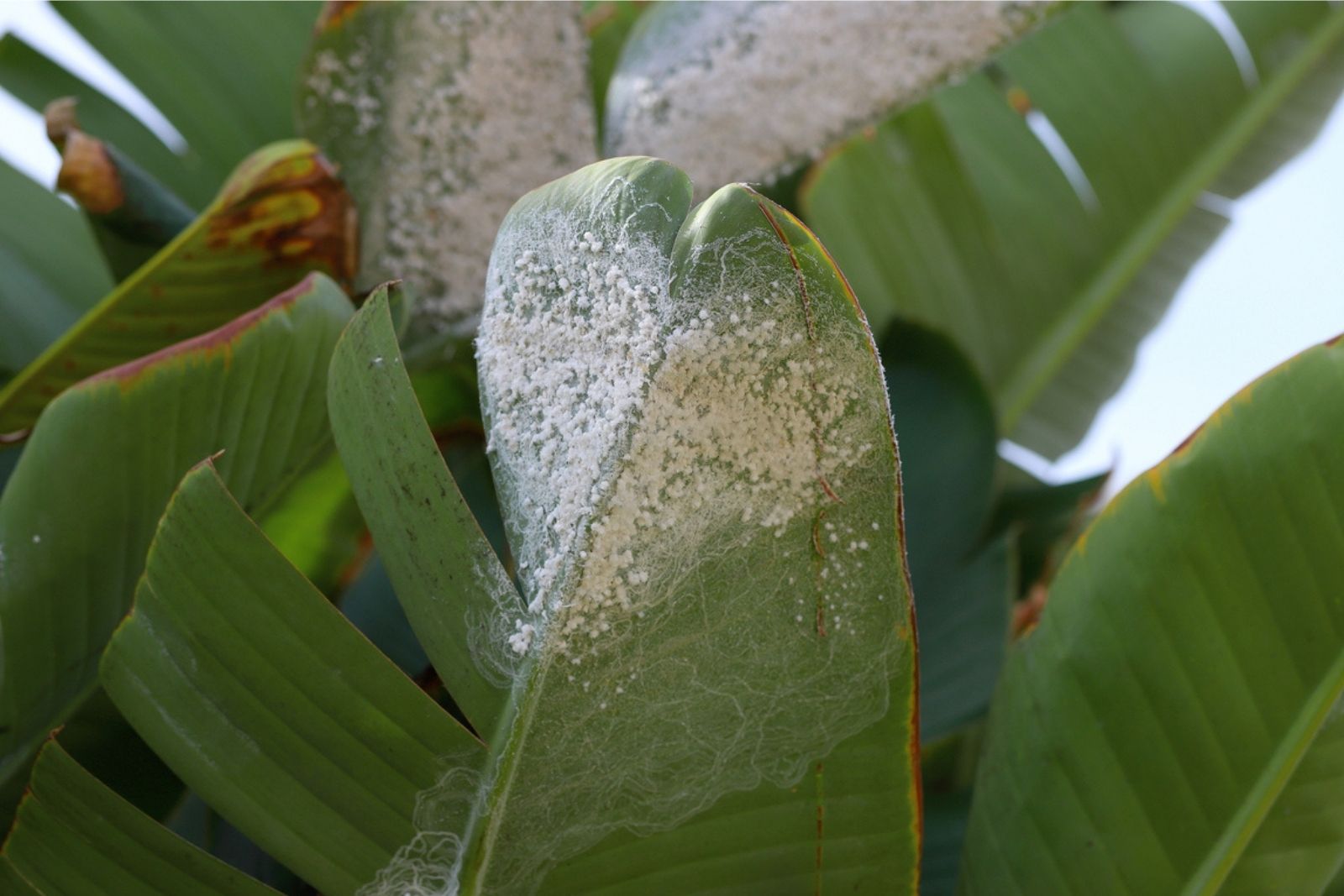
The usual stowaways are aphids, mealybugs, spider mites, whiteflies and scale insects, according to Penn State Extension. Plants that sat directly on the ground all summer are a particular concern, because pests can hide in the root area as well as on the leaves.
The move-in, done in the right order
- Inspect closely. Use a magnifier on leaves, undersides, stems and soil, and tap the leaves over a sheet of white paper to see what falls. Slide the plant out of its pot to check the roots.
- Wash it outdoors. Hose off the leaves and stems and let the plant dry. Small pots can be dipped in a tub of water with a little mild dish soap.
- Treat the whole plant. Spray the plant, soil and pot with insecticidal soap. Test a small area first if your plant isn’t on the label, since damage can take seven to ten days to show.
- Repeat once. Leave the plant outside for several days, spray again, then bring it in two to three days later. Watch the forecast so a cold night doesn’t catch you mid-treatment.
- Ease it into lower light. Over about a week, move it from full sun to light shade to heavy shade, then indoors to the brightest spot you have.
- Keep it apart. Give it a room away from your other plants and, as Penn State puts it, “Inspect them daily (yes, really!) for a week or two and treat for whatever pest may appear.”
Plan B for a heavily infested plant: repot it in fresh, sterile potting soil, in a pot cleaned with a 1 to 9 bleach-to-water solution. If that seems like too much, it may be kinder to the rest of your collection to let that one go.
Expect some drama even when you do everything right. Yellowing leaves or leaf drop are normal as the plant adjusts to lower light. Don’t let pots sit in saucers of water, which attracts fungus gnats and springtails, and let the soil dry between waterings. Indoors, soil and watering often matter as much as light, the same lesson behind a stalled pothos.
Inspect, wash, treat twice, ease the light, and keep it apart for two weeks. That’s the trick.


