You peel a price sticker off a table or cabinet, and half of it stays behind. The paper tears, the glue smears, and the furniture still has a sticky patch where the label used to be.
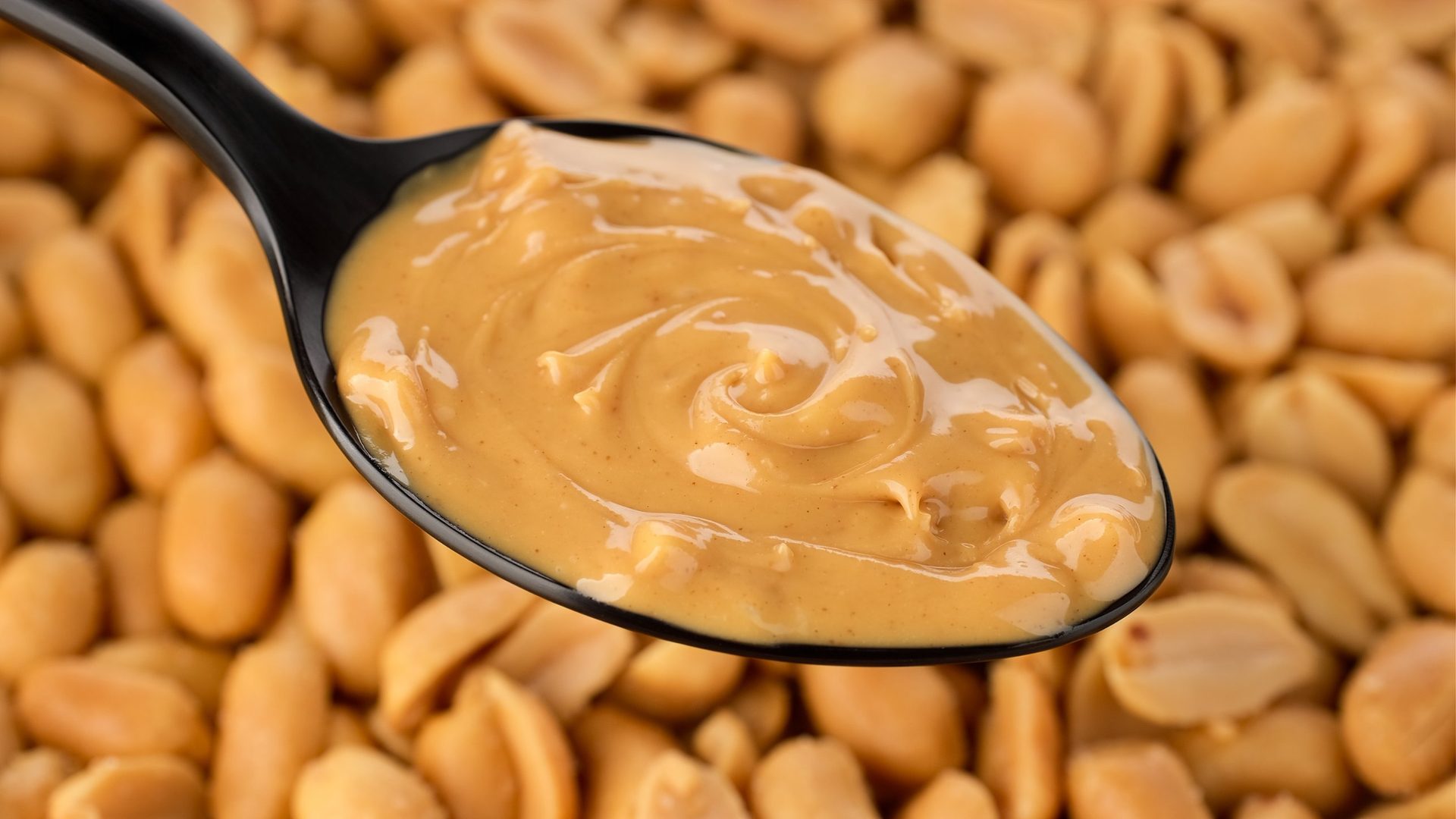
Spreading peanut butter over that mess sounds like a way to create another cleaning job. Yet IKEA Canada lists it as an option for removing label residue. The reason is the oil in the spread, which IKEA says can help break down the adhesive.
There is one detail to check before opening the jar: what surface sits underneath the glue.
Why peanut butter can help
IKEA’s instructions are simple: apply a small amount over the residue and leave it for a few minutes. That gives the oil time to work on the adhesive before you try to remove it.
The recommendation concerns leftover adhesive, and it is one option among several. IKEA does not promise it will remove every type of glue.
Check the finish before treating the sticky patch
Untreated wood deserves particular caution. Furniture maker Fritz Hansen warns that untreated veneer can be affected by grease and colorants. It also notes that applying oil can change the wood’s color. That makes a greasy food spread a poor experiment on a bare wooden surface.
For unfinished wood or furniture with a damaged finish, ask the manufacturer for a suitable method before trying this trick. Removing a label is less useful if the treatment leaves a different mark behind.
IKEA Germany’s adhesive-removal guidance gives the practical rule: match the treatment to the material and test it somewhere hidden first. Its advice also recommends gentle removal rather than hard rubbing. Check your product’s care instructions if you are unsure what finish you have.
How to try the method carefully
Once you have checked the care instructions and confirmed that the treatment suits the surface:
- Test a hidden spot first. Apply a tiny amount, remove it, and check for a change in color or sheen before treating the visible area.
- Cover only the glue residue. Use a small amount of peanut butter and leave it for a few minutes, following IKEA Canada’s directions.
- Wipe gently with a soft cloth. If the residue resists, stop rather than increasing pressure or scraping at the finish.
- Remove the greasy film. Kohler also recommends peanut butter for adhesive residue on its products, followed by mild detergent to remove the remaining oil. For furniture, follow the furniture manufacturer’s care instructions for cleanup and moisture exposure.
The cleanup matters: the goal is to remove both the adhesive and the food residue, rather than replace a sticky patch with an oily one.
Make sure the label should come off
Before treating any label, read it. Leave safety warnings in place. IKEA Australia specifically says its permanent furniture tip-over warning labels must not be removed.
Product-identification labels can be useful, too. IKEA Germany advises keeping item labels because they may be needed for its buyback service.
For an unwanted price sticker’s leftover glue, peanut butter may be worth trying after a surface check. The useful part of IKEA’s advice is the combination: a little oil, a few minutes, and a method chosen to protect the furniture underneath.