The hedge looks shaggy, the Saturday is sunny, and the trimmer is charged. Every October, thousands of gardeners take that exact combination as a green light, give the hedge one last haircut, and unknowingly set it up for the ugliest spring on the street. Because fall hedge-trimming isn’t a yes-or-no question. It’s a window, the pros guard it jealously, and by mid-fall the real question isn’t how to trim, it’s whether you still may.
The window closes earlier than almost anyone thinks: about six to eight weeks before your area’s first hard frost. For most of the country, that math lands the last safe trim in late summer, not October.
The one mistake: the warm-October haircut
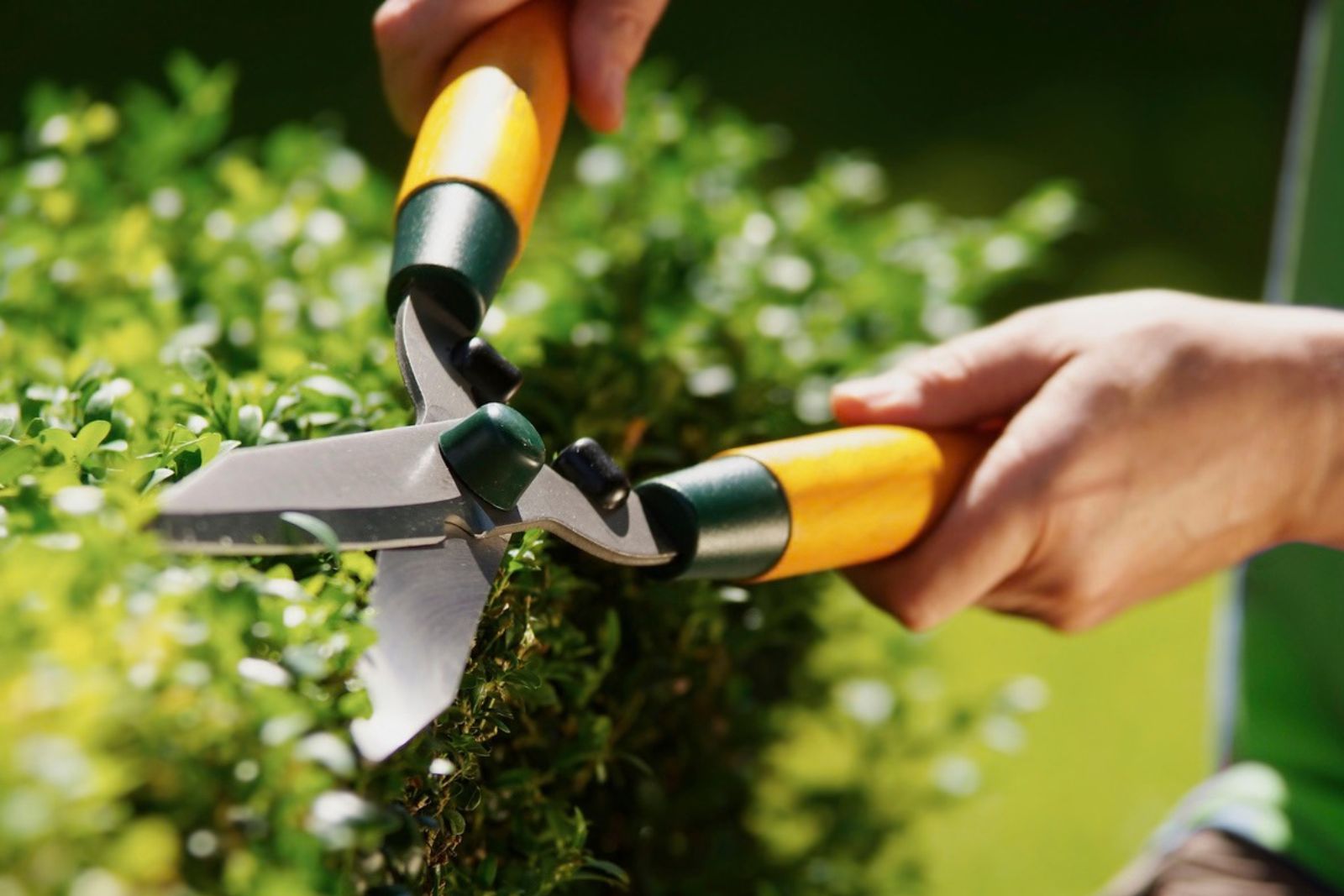
The reason is a trap built into the plant itself. Pruning is a growth signal: every cut tells dormant buds below it to wake up and sprout. Do it on a mild fall day and the hedge obeys, pushing out soft, tender shoots, what pros call a “false spring”, just as real frost arrives. That baby growth has no time to harden off, so the first freeze burns it, and the hedge enters winter wearing a fringe of dead brown tips and open wounds that won’t seal before the cold sets in. Conifer hedges carry an extra penalty: arborvitae, cypress and their cousins trimmed after late summer can develop bare patches that take years to fill, because most conifers won’t resprout from old wood.
So the “fall window gardeners respect” is really two windows with a forbidden zone between them: trim by late summer (six-plus weeks of growing season left), or wait for full dormancy, when leaves are down and cold is constant and cuts no longer trigger growth. The weeks in between, warm days, frost around the corner, are precisely when the trimmer should stay on its hook.
What the pros do differently in October
- They read the plant, not the calendar page. Still-green, still-growing hedge in a warm region: light shaping only, and only if frost is reliably 6+ weeks out. Leaves turning or dropping: the stimulation risk is fading, and by deep dormancy a modest tidy-up is safe again.
- They demote the fall cut to a snip. Whatever the timing, fall work is corrective, not creative: the few wayward whips, dead or broken wood, nothing structural. The hard renovation and the crisp reshaping wait for late winter, when deep dormancy makes heavy pruning safest and spring regrowth follows immediately.
- They leave the hedge’s winter tenants alone. By fall a hedge is a wildlife building: cover for overwintering birds, berries as winter food, beneficial insects in the base litter. One more argument for the light touch, and for leaving the trimmings’ berry-bearing branches until late winter.
- They never shear a stressed hedge. Drought-hit or disease-marked plants get water and patience, not a haircut on top of their troubles.
If the shagginess genuinely bothers you
Hand pruners, ten minutes, just the silhouette-breakers, and the discipline to stop there. Then book the real appointment: late winter, before bud break, is when the hedge can take everything you’ve been wanting to do to it, and answer with a dense, even flush. While you’re resisting the trimmer, the same restraint applies at the hedge’s feet, where fall mulch piled against stems does its own quiet damage.
Late summer or deep dormancy, never the warm weeks between, and never more than a snip in fall. The hedge that looks slightly scruffy in November is the one that looks perfect in May. The trimmer can wait. That’s the window.