The leaves are down, the mornings are crisp, and the mower is still parked by the garage door, half full of gas. You put it away last October, then watched the lawn shoot up in a warm spell. The year before, you kept mowing into December and still weren’t sure you’d done it right. So when, exactly, is the last mow?
This is not your fault: the calendar is the wrong tool for the question. The lawn doesn’t care what month it is. It follows the temperature, and once you know the threshold, the decision makes itself.
The rule: temperature, not the date
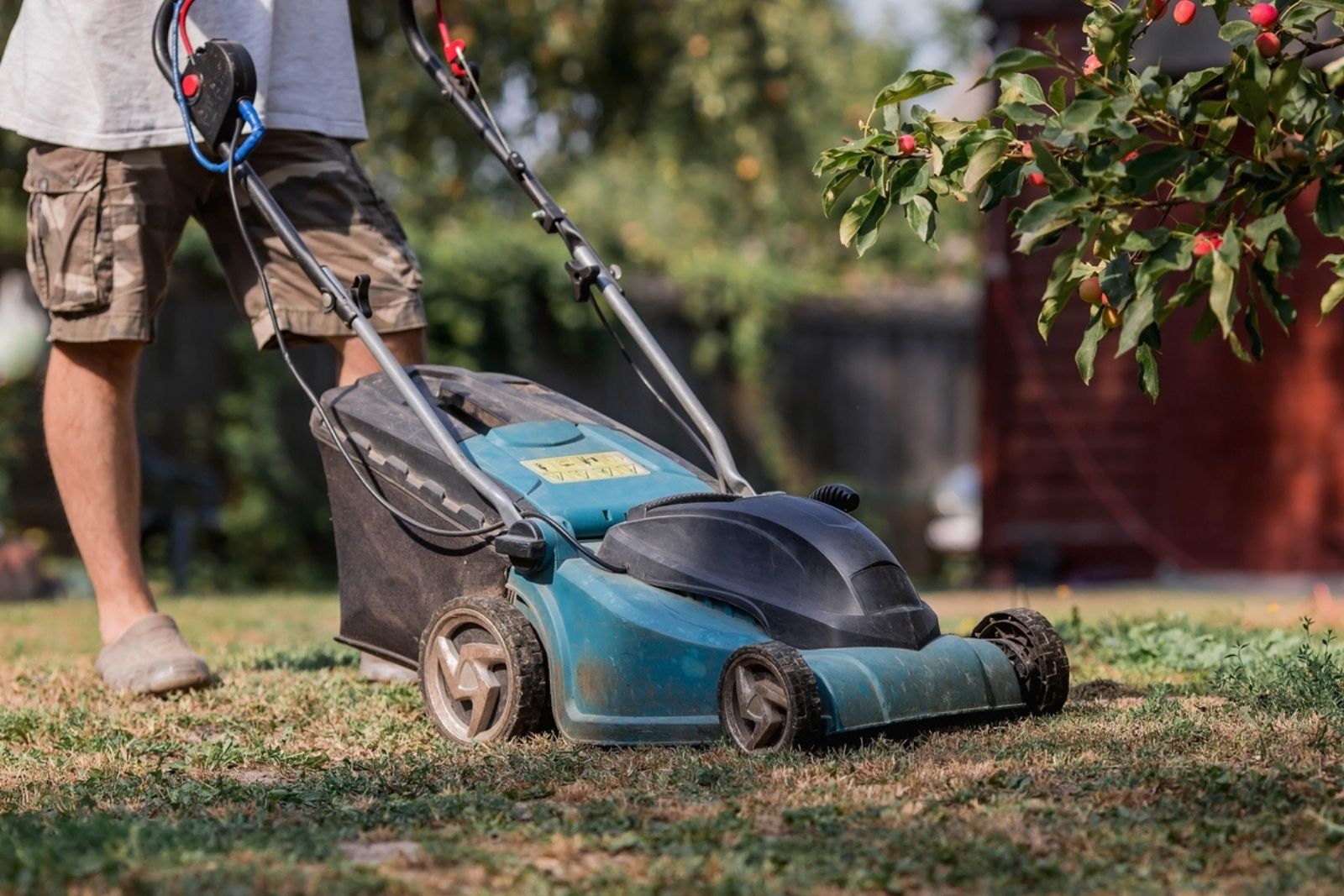
Iowa State University’s horticulture specialists put the first half of the rule simply: “Continue to mow the lawn until the grass stops growing in the fall.” For cool-season grasses such as Kentucky bluegrass, that happens when daytime highs are consistently below 50°F. In central Iowa, that usually means early to mid-November. Minnesota’s extension service puts it at around the end of October.
Warm-season grasses work on a different trigger. Dennis Patton, a horticulture agent with K-State Research and Extension, notes that they go dormant when the soil temperature reaches about 55 degrees. Either way, the sign it’s time is the same: you mow, and a week later the lawn hasn’t grown enough to need it again.
The height, and the mistakes on both ends
The last cut is not the time to scalp the lawn. Patton recommends mowing at about 3 inches all summer and into fall, and the University of Minnesota’s target for a typical residential lawn is 3 inches or higher. Then follow these steps for the final passes:
- Keep the usual height. Stay at about 3 inches rather than dropping the deck for one last short cut.
- Respect the one-third rule. Never remove more than a third of the blade in one mowing. To hold a 3-inch lawn, mow before it reaches 4.5 inches.
- Don’t stop too early, either. Grass left too long over winter can invite disease, and longer grass may encourage voles, according to the University of Minnesota.
- Mow the leaves in. Patton says mowing often enough to chop fallen leaves into the turf can replace much of the raking, and a healthy lawn can take up to 6 inches of leaves if they’re added gradually.
- Clean up after the last cut. Bag the clippings or rake up excess debris so the lawn doesn’t go into winter under a mat.
When the rule needs a second look
Fall weather rarely moves in a straight line. If a warm stretch gets the grass growing again and it passes 4.5 inches, one more mow at the same height is fine. If you’re unsure which grass you have, your local extension office can identify it and give you the typical stop date for your area. And while the mower is out for the final rounds, the patio and path weeds are worth one last pass too, with the free trick gardeners use instead of vinegar.
Watch the daytime highs, keep it at 3 inches, and stop when the grass does. That’s the trick.