You open the emergency-cash drawer and find the bills curled, dusty or faintly musty. Other people find their stack clean months later, wrapped in a little foil packet. That shiny wrapper does a real job, but only under the right conditions.
The drawer nobody opens
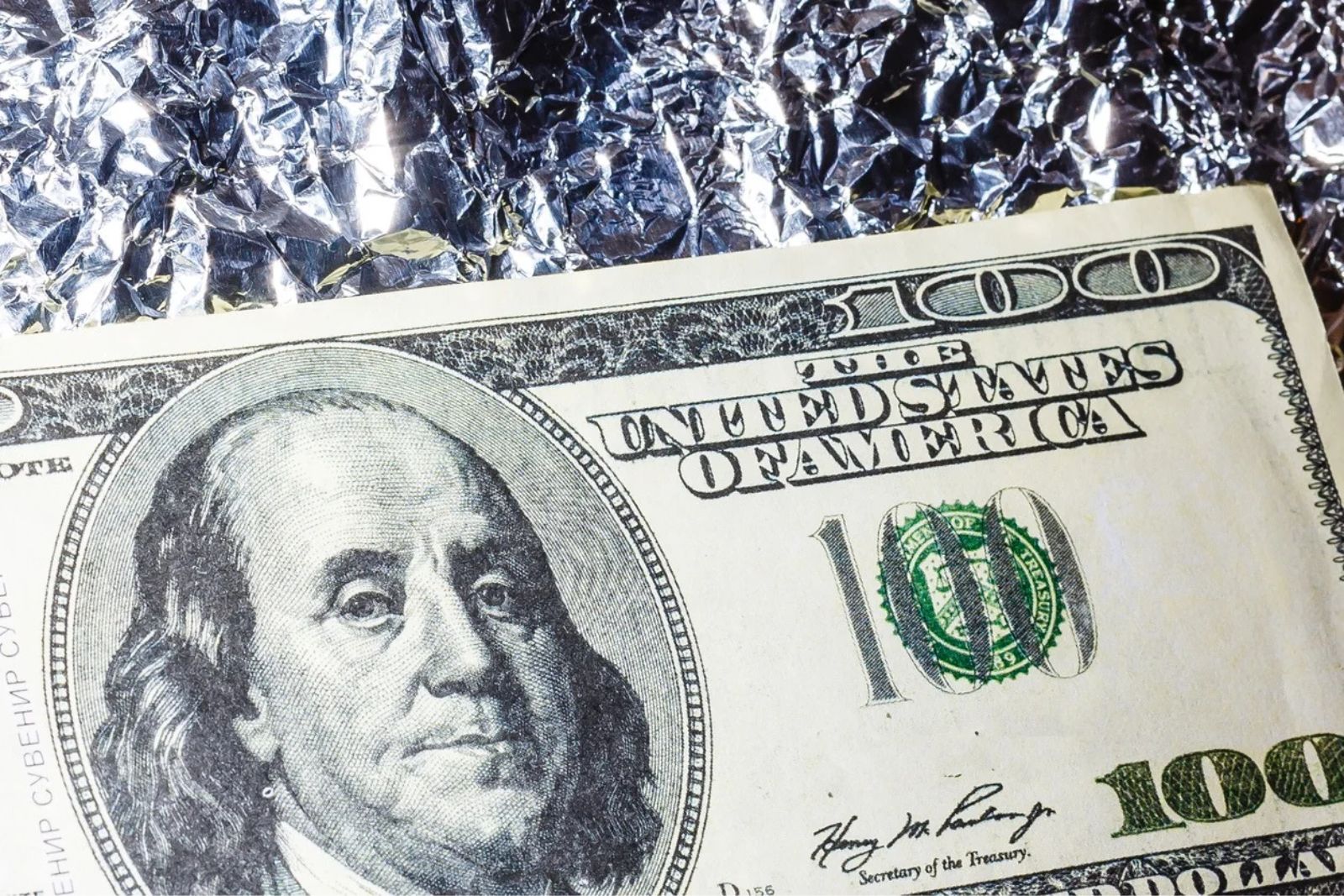
Emergency cash is meant to sit and wait. It stays put through changing seasons, long humid stretches and the odd spill nearby, often forgotten until the day it’s needed. A modest reserve belongs alongside emergency food and cash in a broader plan, somewhere secure but still easy to reach.
That’s where the foil comes in. It folds snugly around a stack, stays folded and hides the bills from light. Its purpose is simple: it adds one more layer between dry money and the drawer around it. Dust, dirty hands and stray droplets hit the wrapper first.
So what is that thin sheet actually doing in there?
What happens inside the packet
Aluminum forms one continuous metal barrier. Water vapor can’t pass straight through intact metal, and neither can light. Close the packet properly, and the bills rest in a dark, fairly stable pocket of air.
That’s why some people swear by it. The result is easy to see when you open the drawer: the bills come out free of dust and light, and folding the foil took almost no effort.
Still, the wrapper only deserves part of the credit. The room around it does much of the work, and so does the way the packet is put together.
Wrapping it the right way
It starts on a clean table, with the bills kept flat. If they feel cool, soft or damp, separate them and let them air-dry first. Never use a hair dryer, an iron or direct sunlight. Take off any rubber bands, staples or paper clips, then slip the stack into an acid-free paper envelope or a stable polyester sleeve.
Next comes a clean sheet of heavy-duty foil, cut so it extends about 2 inches beyond the envelope on every side. Center the envelope, bring the long sides together and flatten them gently. Then fold each open end over twice, without creasing the money.
The packet goes into a rigid container with a lid, on a shelf in an interior closet. Ideally, that spot stays below 75°F, with 35% to 50% relative humidity. Cool, dry and dark storage does more to preserve the bills than an elaborate wrapping job ever will.
Then, every six months, open the drawer and take a look. That quick check can reveal torn foil, condensation, pests or a plumbing leak you had forgotten about.
Where The Foil Stops Protecting
Foil cannot dry damp money. Loose seams let humid air in, and pinholes or repeated bending weaken the barrier. It isn’t waterproof, fireproof or theftproof, so never hide the packet in an oven, microwave or electrical appliance.
If the bills come out wet, moldy, brittle or fire-damaged, stop handling them. Ask a bank about exchanging them instead of cleaning or resealing them at home.