You give your dog a chew on the kitchen floor, and she settles in while you finish the dishes. The package makes it look like a thoughtful choice, and she seems delighted with it. Veterinary dentists see one increasingly popular chew in the pet aisle very differently from the owners who bring it home.
In short
- Veterinarians advise against antler chews because they fracture dogs’ teeth.
- Other hard chews, including bones and cow hooves, damage teeth too.
- Broken teeth can be painful and costly to repair.
- Dental chews accepted by the Veterinary Oral Health Council offer a better place to start.
The hidden risks in those natural antler chews
View in gallery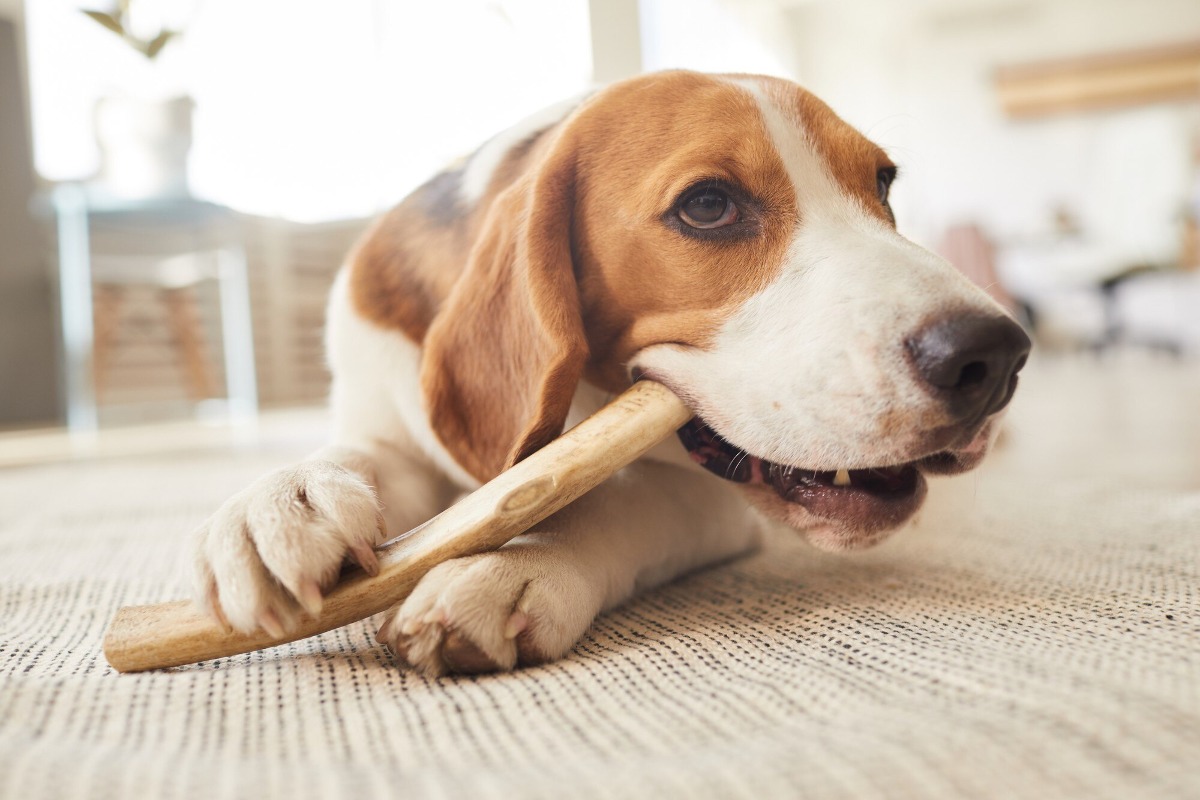
You know the moment in the pet store: your dog has chewed through another treat, and the antlers on the shelf look like something that might last. They are natural, tough, and easy to see as a better choice. It is that toughness that makes veterinarians advise against them.
A dog can bite down hard enough on an antler to fracture a tooth. A veterinarian writing about chew safety puts deer and elk antlers in the same group as natural bones, dried cow hooves, and hard plastic or nylon toys: objects harder than dogs’ teeth that commonly break them. What looks like a sturdy treat can become a painful dental problem.
The concern is not just that an antler feels hard in your hand. Veterinary dentists point to antlers as a common cause of broken teeth, including fractures that break away part of a tooth. That is a steep price for something you brought home to give your dog a little pleasure.
Dental hazards aren’t the only concern
Antler chews have been drawing dog owners for years. By 2018, demand from pet stores had grown enough that people were stealing shed antlers to resell them. Their appeal is understandable: they fit the search for a natural chew that lasts.
The University of Wisconsin School of Veterinary Medicine says bones and antlers commonly cause dental fractures that can be painful and costly to repair. Its veterinary dentistry program does not recommend giving either one to pets as a chew. It also advises against bully sticks for the same dental reason.
Teeth are not the only part of the picture. The American Animal Hospital Association says broken pieces of hard chews can become a choking hazard. That turns the question at the pet store from how long an antler will last to what can happen while your dog works on it.
There are safer chews for your pup
You can still give your dog something to enjoy chewing. Start by pressing your thumbnail into a chew before you buy it. Veterinarians use this simple test: a chew that does not dent or give slightly is too hard for your dog’s teeth.
For a dental treat, look at the Veterinary Oral Health Council’s accepted products list. Products on it have met the council’s standards for reducing plaque or tartar. The list includes OraVet Dental Hygiene Chews and C.E.T. VEGGIEDENT FR3SH Chews, giving you named options when you are staring at a wall of treats.
That little change in how you shop matters. Instead of choosing the toughest chew you can find, you can check whether it has some give and whether its dental claim has met the council’s standards. Your dog still gets a treat, and you have a clearer reason for choosing it.
The limit
No chew is free of risk. Yak milk chews can also be too hard for some dogs, and the American Animal Hospital Association includes them among chews that can damage teeth. Accepted dental treats are not a promise that pieces cannot break off, so stay nearby while your dog chews. Ask your veterinarian which option suits your dog’s teeth and chewing habits.