You step out of the shower and find the bath mat still damp from yesterday, so it ends up draped over the tub again. On TikTok, a sleek newcomer has people reconsidering that familiar routine, right down to the fabric mat you keep tossing in the laundry.
In short
- Stone bath mats made from diatomaceous earth offer a quick-drying alternative to fabric.
- The porous material absorbs water as you step out of the shower.
- Soil, a Japanese brand, brings a clean-lined look to the bathroom floor.
- Videos of stone mats took off on TikTok in 2025, and Soil’s Gem mats start at $129.
Your bath mat can dry faster
View in gallery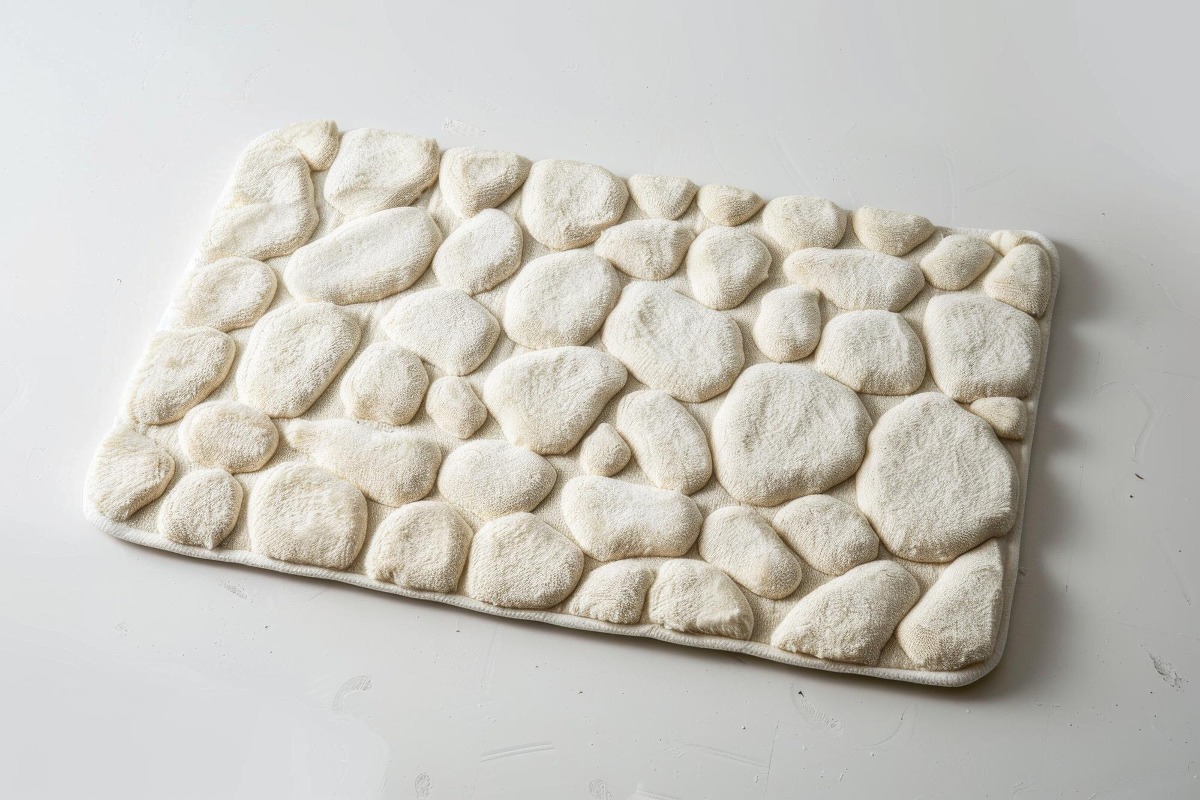
You step out of the shower, and your feet land on the mat. A fabric one can hold onto that wet footprint. A stone bath mat is made to take in the water right away, leaving you with a drier place to stand the next time you enter the bathroom.
The material is diatomaceous earth, also called diatomite. Its tiny pores absorb water and then release that moisture into the air. That is the simple reason these mats have caught the attention of anyone tired of a soggy bath mat on the floor.
Manufacturers also point to what happens between showers. A mat that does not hold water like fabric leaves less of the damp environment where mold and mildew thrive. The appeal is easy to picture: you get out of the shower, dry off, and do not have to think about a wet patch waiting underfoot.
Soil gives the trend its Japanese roots
Among the best-known names is Soil, a Japanese brand that pairs a traditional material with a spare, modern look. It grew from a collaboration between Isurugi Co., Ltd., a plasterwork company in Ishikawa Prefecture with roots in the Edo period, and Tokyo design firm h concept.
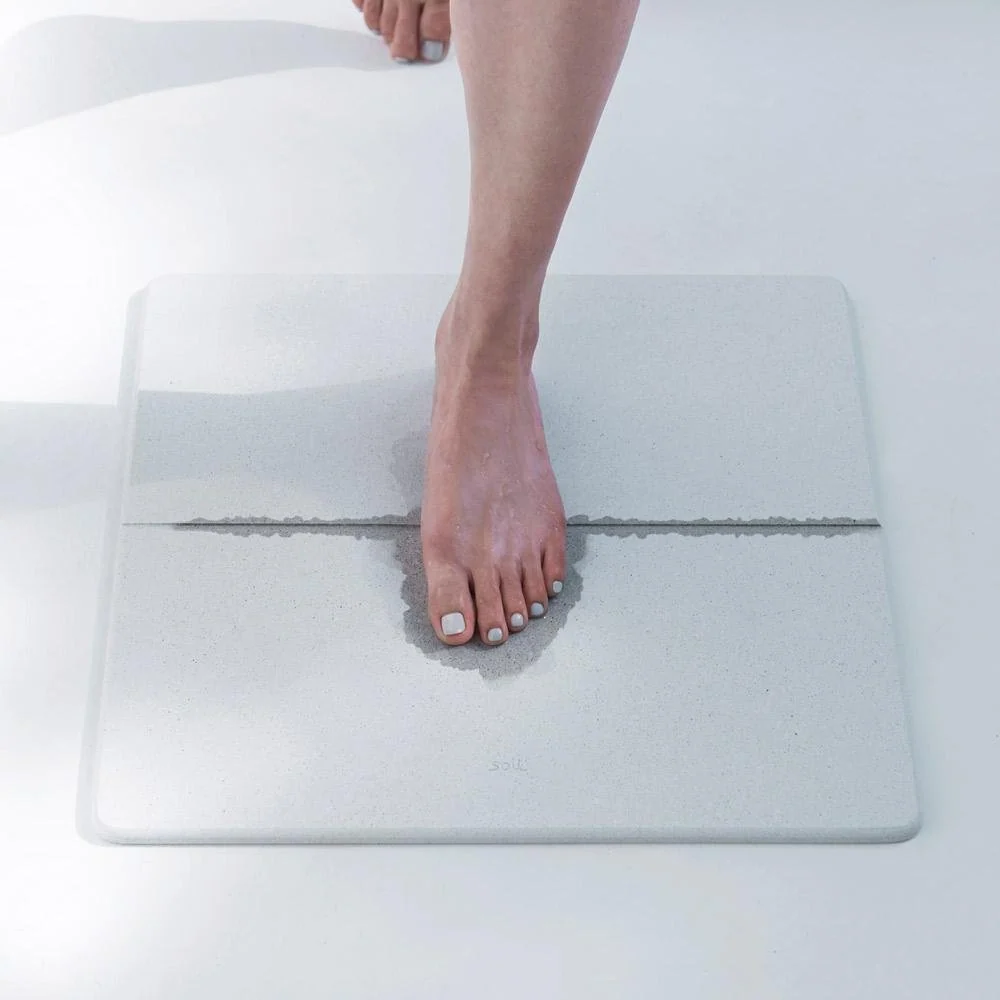
Soil uses diatomite from Japan’s Akita Prefecture in its products. The stone mat puts that material right where you feel the difference most: beside the shower or tub. Instead of a soft rug that darkens as it gets wet, you have a firm surface designed to absorb those first drops.
That appearance is part of the draw. A stone mat sits quietly on the floor, without the thick pile or decorative pattern of many fabric mats. If you like a bathroom that feels simple and uncluttered, it fits the picture as neatly as it handles the water.
TikTok made the drying visible
A quick-drying bath mat sounds practical. Watching water disappear into one is more interesting. In 2025, TikTok users posted stone bath mat reviews that showed the absorbent surface in action and celebrated saying goodbye to soggy fabric mats.
Those videos helped bring fresh attention to a product with established Japanese roots. The idea is not a new kind of shower routine. You still step out and dry off as usual; it is the mat beneath your feet that changes.
Soil’s Gem model shows where the higher-priced end of this trend sits. Its small mat is listed at $129, the medium at $189 and the large at $289. For that price, you are buying both the quick-drying material and the clean, understated design that made these mats stand out on screen.
The limit
Absorbing water right away is not the same as becoming completely dry right away; drying can take from seconds to a few hours. Manufacturers say the drier surface helps avoid conditions mold and mildew like, not that a stone mat makes a bathroom germ-free. Fabric bath mats can harbor bacteria, but that does not establish a direct bacteria count for every stone mat. And at $129 for Soil’s small Gem mat, this is a much bigger purchase than simply keeping the fabric mat you already have.