You say “small bathroom,” and the contractor’s first question is whether the toilet is moving. It sounds like a detail, but that one answer can separate a tidy refresh from opened walls, rerouted pipes and weeks of tile work. In 2026, a realistic budget starts with what stays and what moves.
What “small” really costs
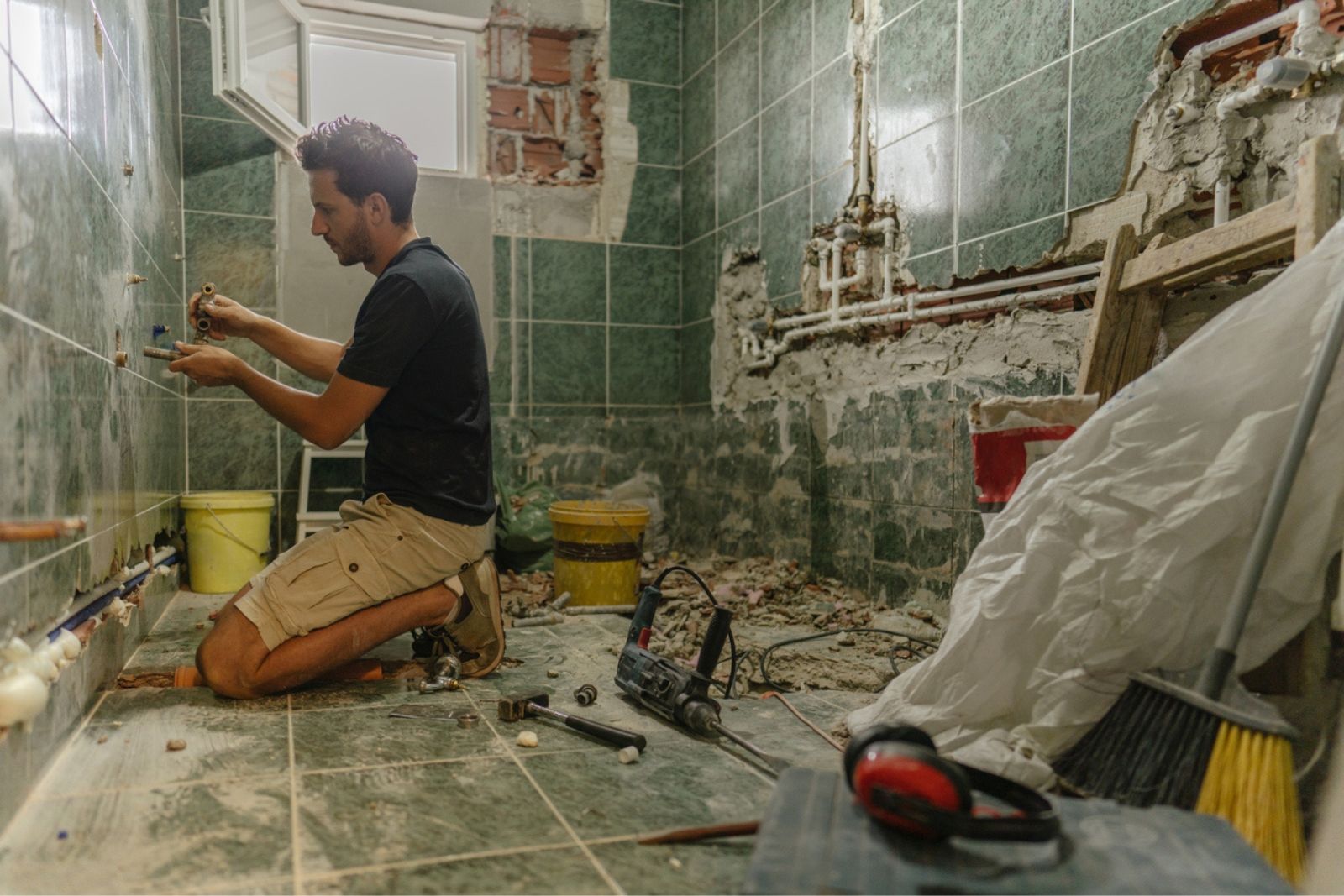
The first number most people want is the total. The reported national spending medians are $18,000 for a major primary bathroom under 100 square feet and $30,000 for a larger one.
So for many contractor-led jobs, the honest plan sits somewhere between $18,000 and $30,000, before premium finishes or a pricey city push it higher. The range is wide because the scope can shift fast.
Under $10,000, you’re usually looking at a careful refresh: paint, lighting, hardware, maybe a stock vanity. The tub, the toilet and the plumbing all stay put. Add a tiled shower, custom glass, a damaged subfloor or a moved fixture, and you’re pricing a different kind of job.
Why one moved drain changes everything
A bathroom is small, but everything in it is layered. Moving the toilet can mean opening the floor for the drain, repairing the subfloor, scheduling rough plumbing and an inspection, then putting back the waterproofing and the tile.
Shift the shower valve or add lights, and more trades crowd into the same narrow room, each waiting for the last one to finish. You’ll never see that waiting and rebuilding in the finished space, but you pay for it in the quote.
Leave fixtures where they are, and those hidden routes stay intact. You still pay for demolition, disposal, wall prep, waterproofing, tile and installation, just with fewer layers reopened. A curbless or doorless shower shows it best, because the floor has to work harder to steer water and protect the room below.
Once you know what stays and what moves, you’re ready to ask for prices.
Three quotes for the same room
Before you call anyone, put the room on one page. Measure the length, width and ceiling height to the nearest inch, photograph all four walls, and mark each fixture “stay” or “move.”
Then ask three licensed contractors to price that exact list, with separate lines for demolition and disposal, permits, plumbing, electrical, waterproofing, tile, fixtures, paint, exclusions and material allowances. Without that, the cheaper quote may simply be leaving out work the other one included. Ask, too, for estimated working days, material lead times, a payment schedule and warranty terms. Hidden damage and backordered materials can extend the schedule.
Last, set aside 20% of your money for surprises once the walls come open. If $25,000 is your absolute ceiling, keep the signed scope near $20,000 and leave $5,000 untouched.
Where the bathroom’s low bid stops being a bargain
Plumbing, electrical, structural changes and shower waterproofing are the wrong places to save. Use licensed trades where required, check permits locally, and put waterproofing, ventilation and disposal in the contract.
If demolition uncovers leaking pipes, soft subfloor or damaged framing, stop and get a written change order with the added cost and days. Walk away if a contractor wants to tile over it or can’t show proof of insurance.