You come home with grocery bags in both hands, and your dog is waiting at the front door, tail wagging, paws ready to land on your coat. You look forward to that welcome, yet a dog trainer says those few seconds, before you even set down the bags, deserve a closer look.
In short
- Víctor Mañero says an excited greeting at the front door teaches your dog bad manners.
- Immediate attention can encourage jumping, barking, and demanding your attention.
- Walk in quietly, then pet or reward your dog when it settles.
- Give the same calm response each time you come home.
It starts with the key in the lock
View in gallery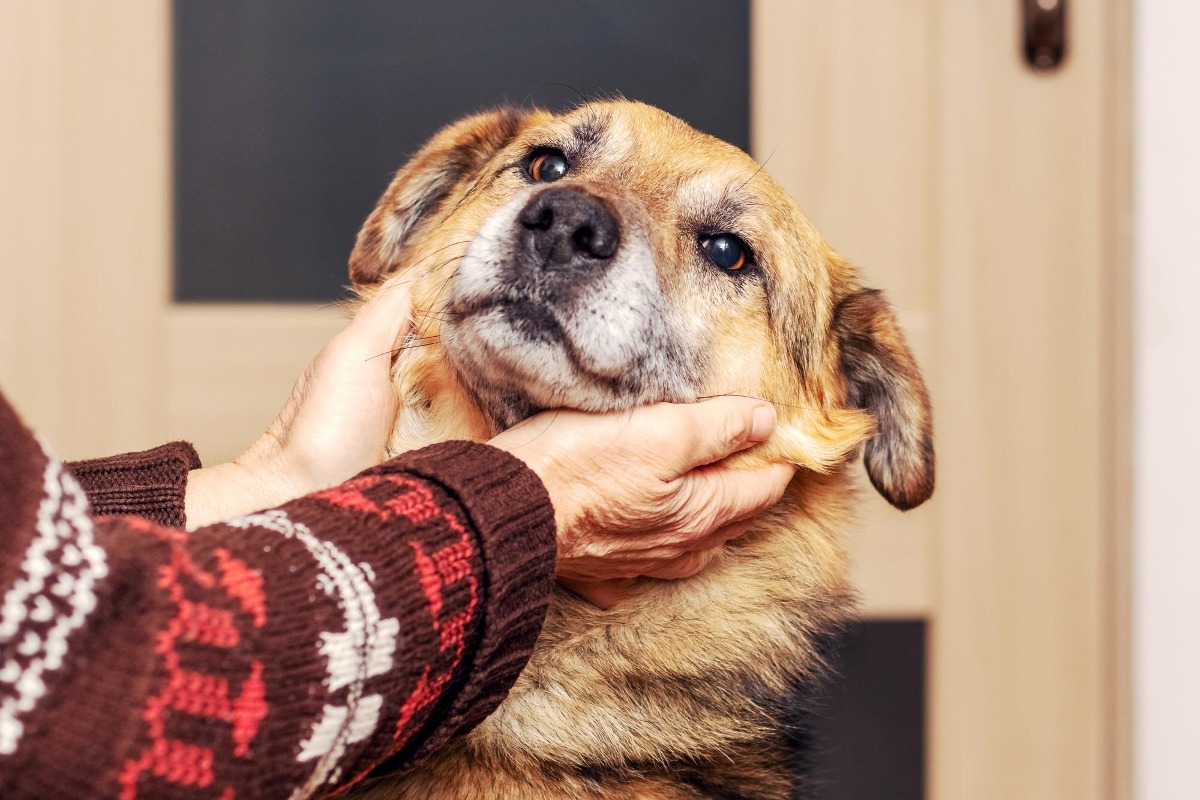
You turn the key, and your dog is already at the door. By the time you step inside, it is jumping, barking, and spinning around your feet. It is natural to reach down and make a fuss. After all, you are glad to see your dog, too.
Spanish dog trainer Víctor Mañero has a different reading of that moment. “Greeting your dog at the front door is the seed of bad manners,” he says. In his view, the dog that gets intensely worked up at your arrival is anxious, not simply happy. When you respond with excited talk, petting, or play, you give that reaction exactly what it was seeking: your attention.
That connection can start before you even open the door. Mañero says some dogs become highly excited at the sound of the key in the lock. If the next thing that happens is a burst of affection, your arrival and the excited behavior become part of the same familiar pattern.
A calm entrance changes the greeting
Mañero’s approach begins with you. Come in quietly, with your hands drawn in rather than reaching straight for your dog. You do not need an excited voice to announce that you are home. Give your dog a moment to find its feet before you offer attention.
If it jumps, turn away. Do not talk to it, touch it, or push it down. Mañero’s choice at the door is straightforward: ignore the jumping, or ask your dog to sit and give it affection once it is calm. Shouting or physical punishment can add stress instead of teaching the behavior you want.
Watch for all 4 paws on the floor. That is your moment to pet your dog or offer a small reward. If your dog knows “sit,” asking for that familiar action gives it something clear to do. The greeting still happens, just after the rush has passed.
Doing it the same way matters
Think about the difference between an ordinary arrival and one when you have had a long day. It is easy to let a jump earn a hug one evening, then turn away from the same jump the next. Mañero says that changing your response makes it harder for your dog to understand what you expect.
Keep the pattern simple when you come through the door: enter quietly, wait for calm, then show affection. You are not taking away the welcome you both enjoy. You are making a settled greeting the way your dog gets your attention, rather than letting the loudest moment decide what happens next.
The limit
Mañero’s advice is aimed at dogs that jump, bark, or become intensely excited when someone arrives. Other behavior specialists say greeting a pet at the door is not harmful in itself, so his “seed of bad manners” line is not a rule for every dog. The verified material does not establish that a calm greeting alone will resolve severe anxiety; a dog with deeper difficulties may need guidance beyond the doorway.