The rake is in your hands, the bags are open, and the flower bed is bare. Those fallen leaves at your feet look like one more chore before the yard is put to bed. But the old-timers had another name for them, the soil protector, and it’s worth a pause before you fill those bags.
What the bare bed goes through all winter
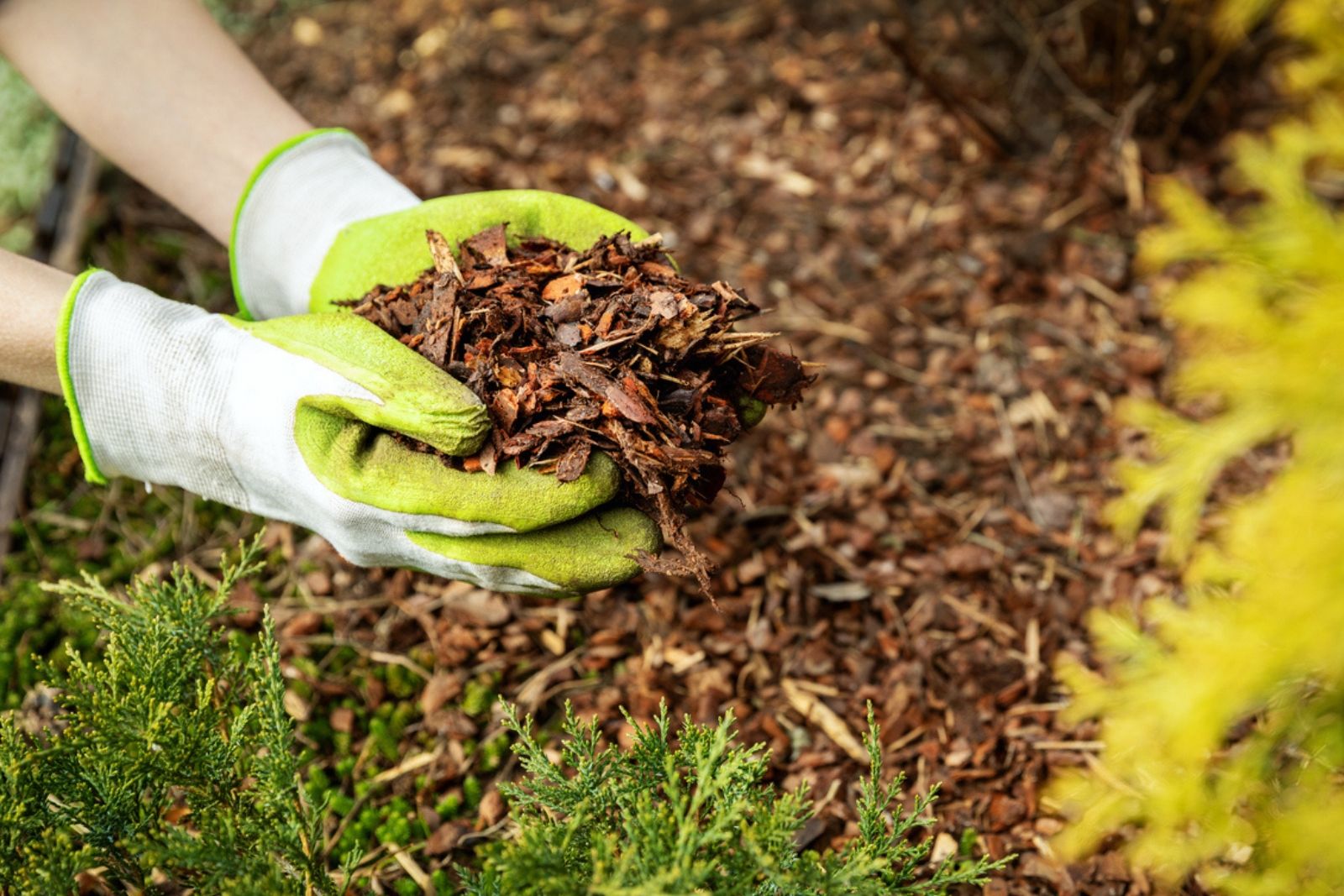
Look at that empty bed for a moment. Without a cover, it takes the full force of every rain. Water loosens the fine particles, seals the surface into a crust and can carry soil away. On dry days, sun and wind pull the moisture back up and out.
The leaves you’re about to rake stop most of that. They soften the blow of the rain, shade the ground and slow evaporation. Like a blanket, they also cushion quick temperature swings around shallow roots. That’s why whole or shredded leaves belong in flower beds, with up to 4 inches around trees and shrubs.
And that’s only what happens on top.
The slow work underneath
Under the layer, fungi, bacteria and small soil creatures get busy. Little by little, they break the leaves into smaller pieces. That decaying material becomes organic matter, which helps soil crumbs hold water and air.
So is a fresh layer an instant fertilizer? No, and it’s better to know it. Its first job is simply protection. As the pieces settle between plants, they also cover the bare spots where weed seeds would otherwise find light.
Leaves protect the soil first, and only later become part of it. Which brings you back to the pile at your feet, and how to spread it without just moving it around.
Two passes with the mower
Wait for a dry day: dry leaves chop cleanly and spread more easily. For the leaves on the lawn, take the bag off the mower, raise the deck to its highest setting and go over them at least twice. Stop when the pieces have dropped into the grass and you can still see green blades. Then rake up the extra for your beds.
That simple high deck and two passes turns a loose pile into real mulch, with nothing new to bring into the yard. Spread it loosely, up to 4 inches deep around shrubs and trees, then water once so it settles and stays put. In perennial beds, shredded leaves are easier to live with: they break down faster and are less likely to mat.
By late winter, the pile will look flatter and darker, less like yard waste. Some pieces will have vanished into the topsoil, others will still cover the surface. Leave that mulch around established plants, and as bulbs and new shoots push up, gently pull back any whole leaves sitting right on top of them. Extra leaves can go in a ventilated bin or a loose pile, where they’ll slowly turn into leaf mold for future beds.
Keep It A Blanket, Not A Wet Mat
Whole leaves can knit into a soggy sheet that blocks water, buries shoots or smothers grass. Keep the layer light, thin it wherever no green blade shows, and move wet leaves off slippery paths.
Never mound leaves against bark or crowns: trapped moisture can encourage rot. Leave a few inches bare around trunks and stems, and if a cone has formed, use the mulch-volcano fix to expose the trunk flare.