
A bathroom cabinet comes out, the wall opens, and a yellowed Christmas package appears in the dust. It sounds like a family time capsule waiting to be found. But one reported account has a twist, and its last surprise was still wrapped.
A name on the yellowed wrapping
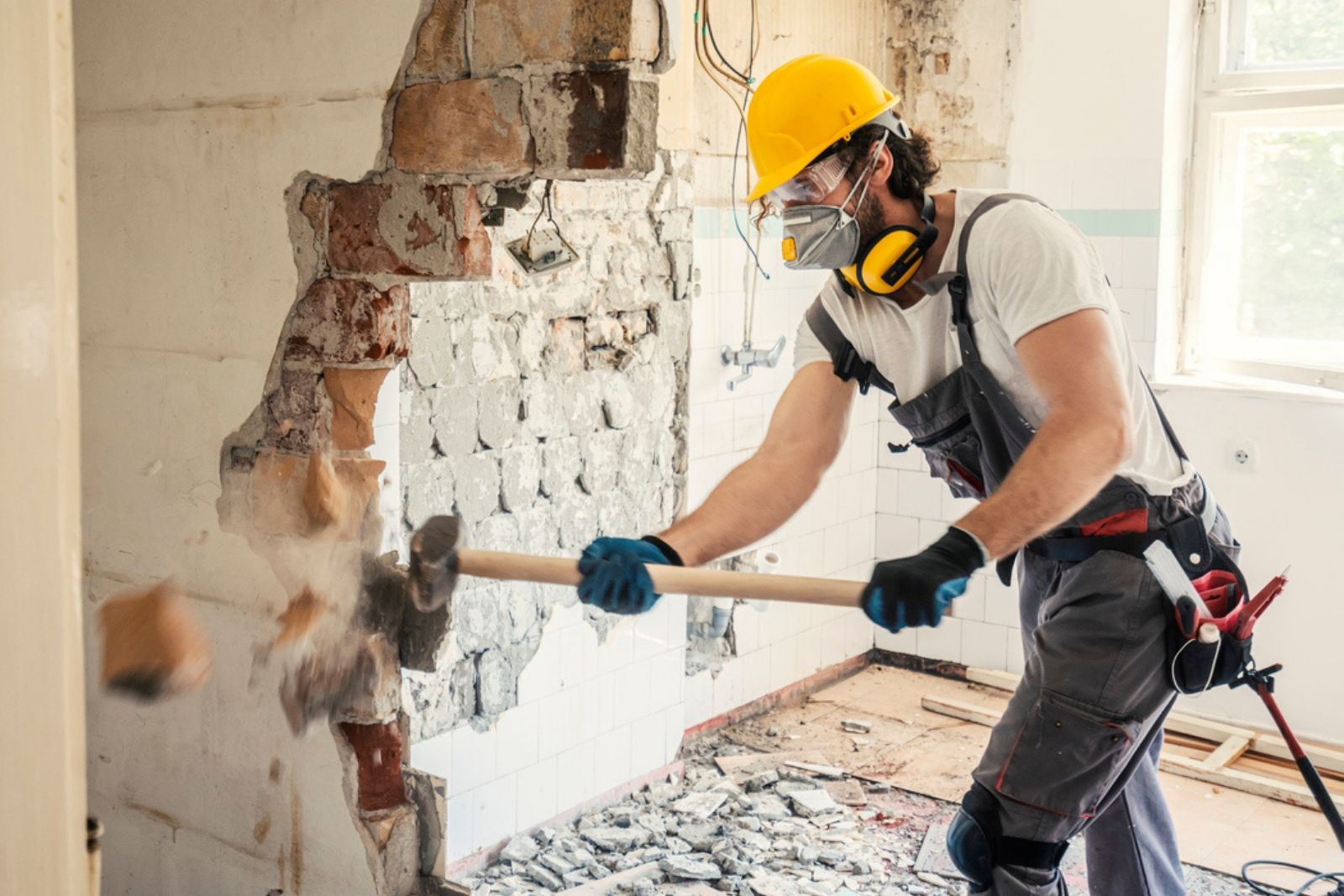
A contractor was reportedly renovating his parents’ bathroom when he pulled out an old medicine cabinet. Before fresh drywall covered the opening, he took a look inside.
Beneath decades of dust sat a gift bearing his name. The package appeared to have been intended for him as a child.
He reportedly saved the unwrapping for his mother, so she could watch the present finally reach its recipient. Inside, the account says, were toy airplanes. She could no longer remember buying them.
The wrapping had yellowed, but the little planes were clean enough to recognize. So how does a Christmas present end up behind a bathroom wall?
Lost in the attic, caught between the studs
The same account says his parents used to hide Christmas presents in the attic. He believed the box slipped into a crawlspace and dropped out of reach.
Inside a wall, that’s easy to picture. The narrow space between the studs works like a chute. An object falls until a horizontal board, a pipe or a pile of debris catches it. Once drywall covers both sides, it vanishes from daily life, even if it’s only inches away.
So was it a deliberate time capsule? Probably not, and that’s the charming part. That’s why finds like this tend to turn up below an attic, a medicine cabinet or a built-in fixture.
Ten minutes before the wall closes again
The lesson isn’t to start smashing walls in search of forgotten gifts. It’s to take a good look at the spaces already open during a planned, permitted renovation.
Give it about 10 minutes before the new drywall goes up. Shine a bright flashlight from the top and bottom of each space between the studs, and snap photos from floor level and eye level. Check the ledges, the corners and the spot beneath old cabinets.
If you find something clean and loose, lift it out with sturdy gloves and long tongs, and set it on a disposable sheet. Then note the room and the exact spot where it was hiding. With letters, photographs or old building materials, that context may matter more than the object itself.
What not to pull out of the wall
In a home built before 1978, demolition can release lead dust, so stick to lead-safe practices, often with a certified contractor. Asbestos can’t be identified by sight, and a homeowner should never sample or disturb it.
Never reach in barehanded or tug at wiring, pipes or insulation. If you spot crumbling insulation, suspicious pipe wrap, damaged wiring, moisture or unidentified powders, stop and let a qualified professional clear the cavity before the drywall closes.


