
For twenty years it was the automatic answer: new living room, big sectional, done. The L-shaped giant promised seating for everyone and corners to sink into, and American living rooms obliged by giving it the entire floor plan. So it lands strangely to hear what designers are now saying out loud about their former default, and what they’re quietly steering clients toward instead this winter, especially in average-sized rooms.
The verdict has turned sharply: in trend roundups for the coming year, designers now file the big neutral sectional under outdated, calling the look “big-box store”, singling out the low, deep, wide-armed versions in particular. Across the profession the language is the same: the pendulum is moving away from exaggerated bulk toward seating that feels generous without dominating the room.
The three charges against the L
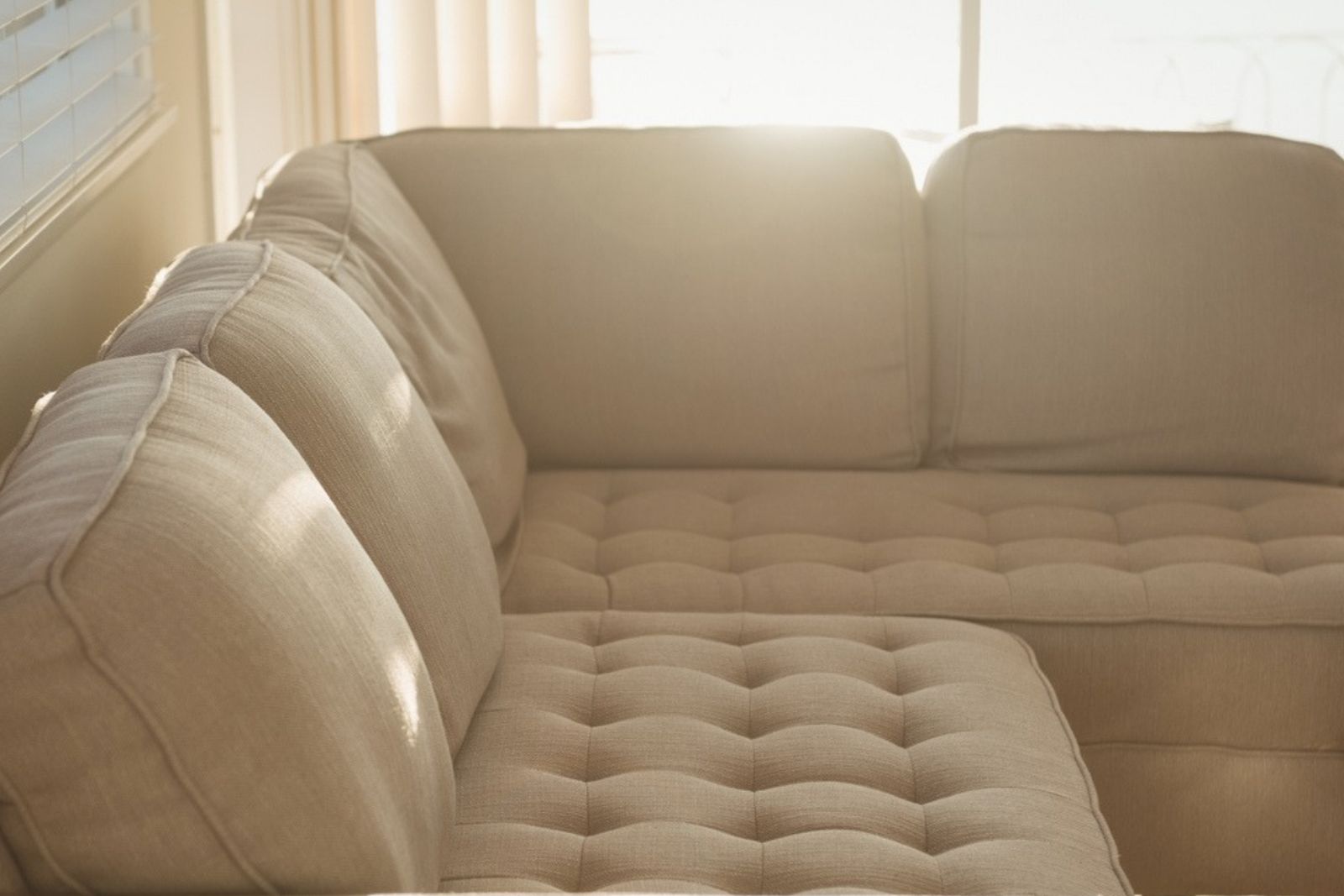
It locks the room into one layout. A sectional is a decision you make once and live with forever: the L dictates where the TV goes, where traffic flows, where every other piece can stand. Rearranging for a party, a holiday, or simple boredom isn’t an option, because the room was designed around the sofa rather than the other way round.
It dates itself. The oversized, slouchy, greige sectional was the look of a very specific decade, and like all looks that were everywhere, it now timestamps a room. Designers note the shift toward tailored, sleeker, often curved silhouettes precisely because the bulky L reads as yesterday.
It shrinks the rooms that need help most. In a modest living room, a sectional eats the floor, blocks sight lines, and leaves no breathing space, making the room feel smaller than its square footage. The visual weight that feels cozy in a great room is simply mass in a 12-by-15.
What designers use instead this winter
- Two smaller sofas, facing each other or set at an angle: the same seat count as the L, but a layout that creates conversation, can be rearranged in an afternoon, and moves to the next house.
- One tailored sofa plus accent chairs. The chairs are the flexibility: swiveled toward the fire in winter, pulled into a circle for guests, borrowed by another room. Sculptural standalone chairs have become the new focal point where the blocky couch used to be.
- True modular seating, the sectional’s reformed cousin: separate pieces that can form an L this year, split into a sofa and two chairs the next, and survive a move to a differently shaped room.
- Curved and low-profile silhouettes in performance fabrics, generous to sit in, light on the eye, and easy to live with.
If your sectional isn’t going anywhere
No designer expects you to curb a functioning sofa for a trend. The rescue moves are free: pull it off the walls so air circulates around it, break its monolith effect with a contrasting chair or two, lighten it with a large rug that extends beyond its footprint, and keep the fabric looking crisp, cleaned the no-ring way, because nothing dates a sectional faster than a tired one. And when its day does come, buy the replacement in pieces, not in one letter of the alphabet.
The sectional solved seating by conquering the room. The new answer seats just as many and surrenders nothing: flexibility is the luxury now, and it comes in parts.


