You climb in on a cold, damp morning, turn up the heat and notice a little button glowing: a car with a looping arrow. A minute later, the windshield blooms white from the inside. The heat is running, so why is the view getting worse?
That glowing arrow keeps the damp air in
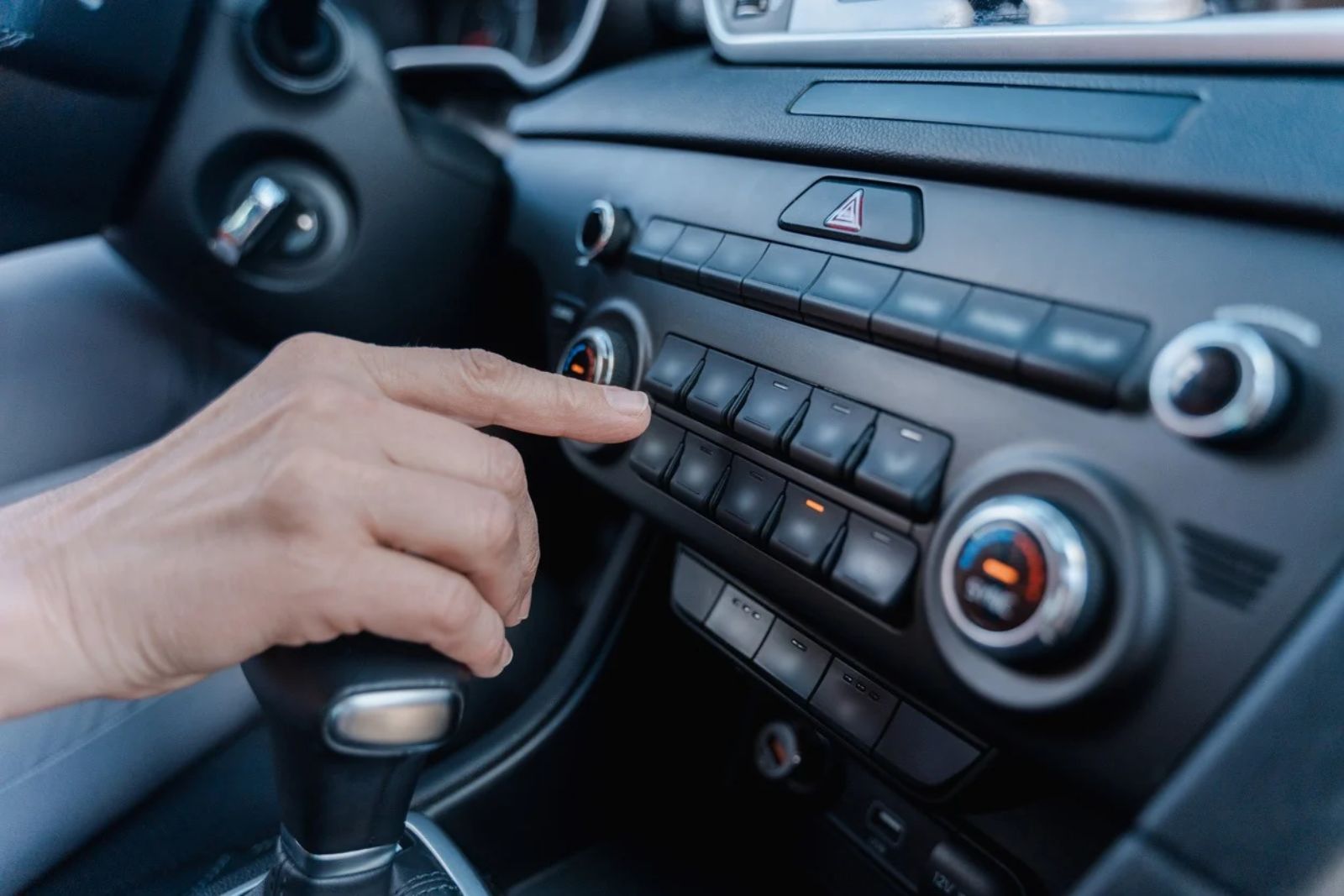
That looping arrow is recirculation. It closes off most of the outside air and sends the air already in the car back through the system. On a hot day, it helps cool the cabin. It’s also handy for a moment when exhaust or bad smells are drifting in.
Winter is another story. Your breath, wet coats, snowy boots and damp floor mats keep adding moisture to the air around you. With recirculation on, that humid air stays trapped inside instead of being swapped for the drier air outside.
The button doesn’t create the moisture. It just makes it harder for it to escape. Even Chevrolet warns that in cold, damp weather, recirculation may lead to window fogging. So when the glass starts to mist, that little light should usually go off.
One thing not to mix up: the rear defogger. That button usually shows a rectangle crossed by wavy arrows, and it heats thin wires inside the back window.
Why the glass clouds over so fast
Your windshield spent the whole night out in the cold. When warm air from the cabin touches that chilly glass, it cools down quickly.
And when moist air cools to its dew point, part of the invisible water vapor turns back into liquid. Thousands of tiny droplets spread across the inside of the glass and scatter the light. That’s the milky haze in front of you.
It’s also why a swipe of your sleeve only buys a few seconds. The droplets vanish, but the damp air is still there, ready to fog the glass again.
Clearing it for good takes three things working together. Fresh outside air replaces the damp air in the cabin. The A/C pulls the moisture out. And warm air heats up the glass. Yes, you can run the A/C with the heat turned up: it dries the air as well as cooling it in summer.
Five minutes with the right settings
Start by pressing the front defrost or max-defrost button, usually a curved windshield with arrows rising from it. Turn recirculation off, keep the A/C on, push the fan to high and slide the temperature toward warm or full hot. Many automatic systems make several of these changes on their own.
Then give it up to five minutes, depending on the weather and your car. If the side windows stay cloudy, aim their dashboard vents at the glass. Cracking one or two windows also lets humid air out while the system catches up.
Once you can see clearly, drop the fan to medium but stay on outside air. And at the end of the drive, empty wet rubber mats, take out soaked clothes and don’t leave snowy gear in the car overnight.
What The Defrost Button Can’t Fix
Never drive without a clear view, and never run the engine in a garage, even with the door open. These settings won’t clear ice on the outside of the glass, and spraying vinegar on your windshield is only a frost-prevention idea.
If the fog comes back with recirculation off, dry the carpets and check the cabin filter. Lingering moisture or weak airflow can mean trapped water or a climate-control fault, and that’s a job for a mechanic.