A fly slips in while you carry the groceries through the door, then spends the whole afternoon circling the kitchen. Some homes keep a simple green guard by that same doorway. What it is, and what it can really do, is worth a closer look.
The door that lets them in
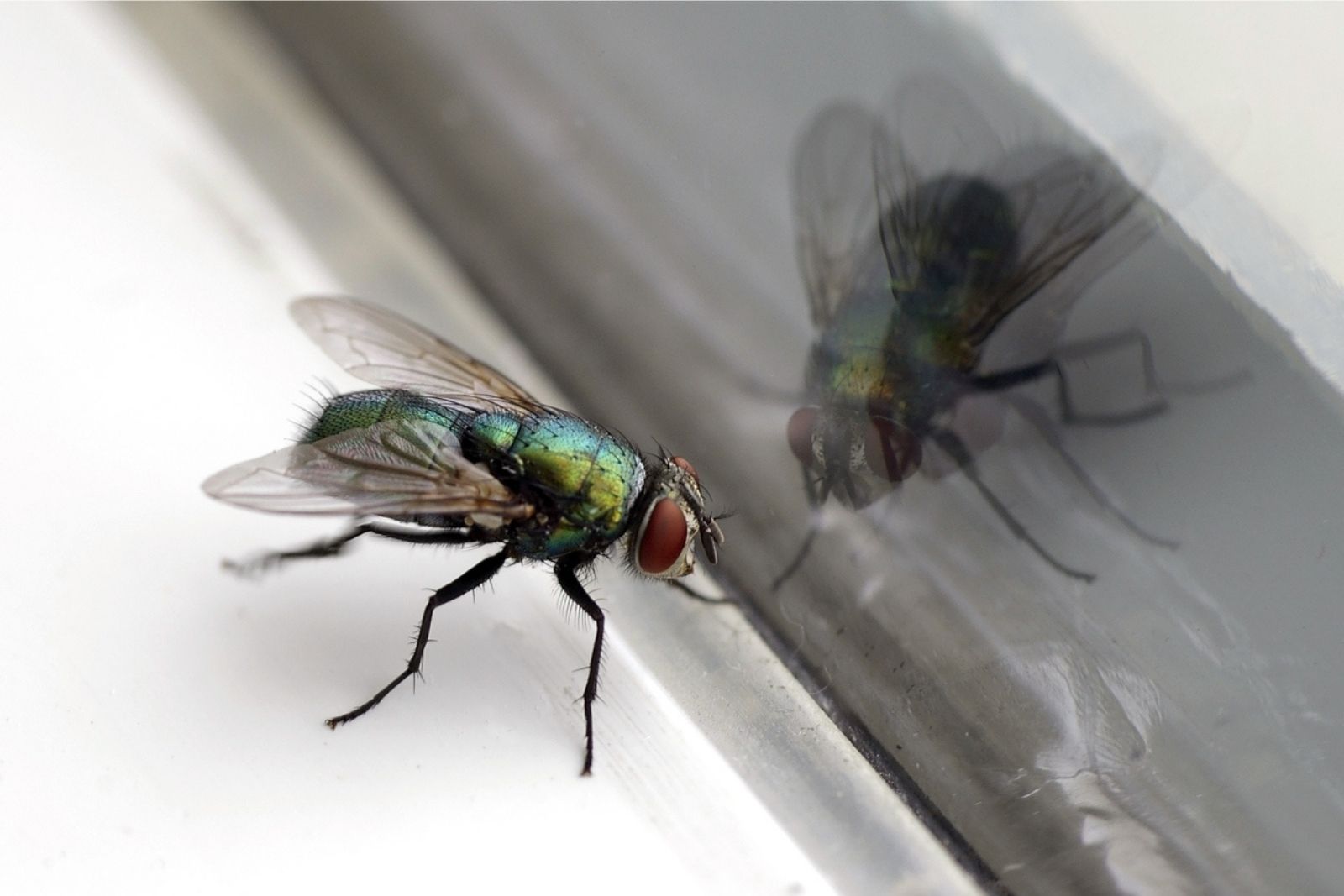
Think back to that grocery run. The fly didn’t come from nowhere. Most houseflies found indoors started outside. They slip in through open doors, torn screens and small gaps around the frame. A trash can nearby, or anything rotting close to the step, makes that entrance even more tempting.
So the doorway is where the guard belongs. And it’s a familiar one: sweet basil, the bright green herb you already cook with. Set a pot beside a sunny exterior door, porch entrance or open patio door, right where flies pass on their way in. But why would a kitchen herb bother a fly at all?
What drifts off the leaves
Basil’s fragrance comes from tiny compounds that evaporate easily and float through the air around the plant. Flies pick up those scents with their antennae. It’s how they decide whether to head toward food, turn away or go somewhere else.
And basil seems to send the wrong message. Given a choice, houseflies went for plain food odor rather than food paired with sweet basil oil. The study found that methyl chavicol, a basil aroma compound also called estragole, put them off in a similar way.
A tired plant gives off very little scent. For the doorway idea to have any chance, your basil has to stay healthy.
Keeping the doorway basil happy
Pick a compact sweet basil plant with clean leaves and no bugs on it. Move it into a medium pot filled with commercial potting mix, with a drainage hole in the bottom. Then set it on a steady surface, out of the way of the swinging door.
Basil wants at least six hours of direct sun a day. In hot Southern summers, an hour or two of afternoon shade keeps it from getting stressed. If your entrance is on the dark side, use the sunniest window nearby instead. A weak, leggy plant won’t give off much fragrance.
Water deeply when the top of the soil starts to dry. Let the extra drain away, then empty the saucer. Basil likes steady moisture, not a pot that stays wet all the time.
Pinch the growing tips just above the next pair of leaves, and snip off any flower buds. Harvest two or three stems at a time, and always leave at least half the plant. Each time you walk past, gently brush a leaf. It releases a stronger burst of scent without hurting the plant.
What a pot of basil won’t fix
Basil can’t make a home fly-proof. The tests used concentrated oil or isolated compounds, so a living plant is a mild deterrent near its leaves at best. It won’t fix torn screens, open trash or dirty drains.
Never let the pot sit in water, since soggy soil invites fungus gnats. And check it carefully before bringing it inside after a summer outdoors.