You keep a jug of white vinegar for everything. You spray it on the kitchen counters, splash it on the patio weeds and wipe it across the stone entryway. Then one day you notice dull, cloudy spots on the stone that no amount of polishing will fix, and the plants next to the weeds you sprayed are looking burned too.
This is not your fault. Vinegar has a reputation as the natural cleaner that does it all, and for some jobs it works. But it has real limits, and there’s an old-fashioned alternative sold for both the garden and the house: black soap, a soft liquid soap made from olive oil.
Why vinegar isn’t the answer for every surface
The problem is acid. Stone care company Granite Gold notes that vinegar is acidic, and warns that on marble, granite and other natural stone, the reaction “could range from spotting and dulling to etching and staining that requires refinishing.” Acid can also strip the sealer that protects the stone.
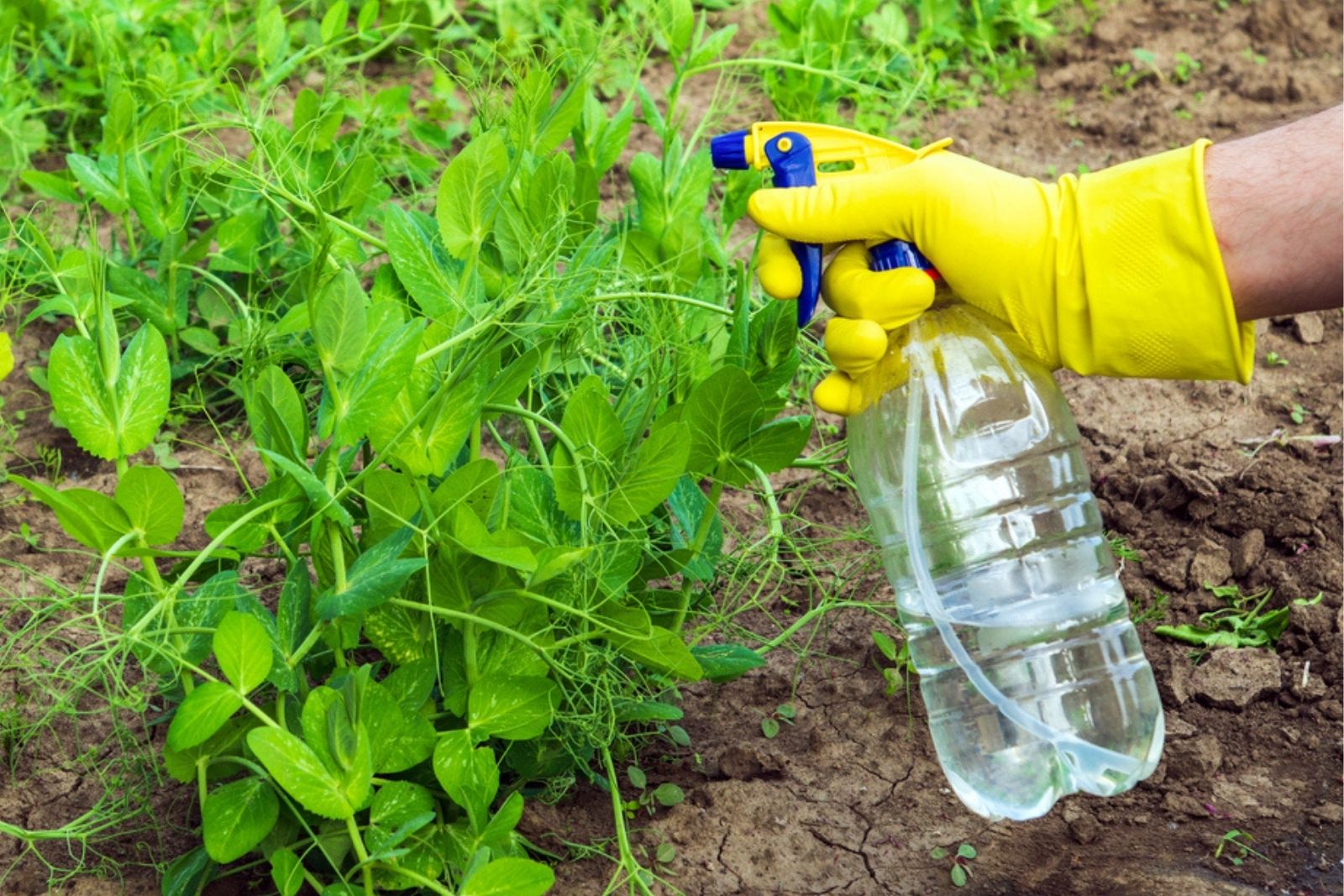
In the garden, vinegar sprayed on weeds can also land on the plants you meant to keep, which is one reason the classic vinegar weed trick comes with trade-offs.
Black soap works in a completely different way. It isn’t an acid, it’s a soap. Soap maker Marius Fabre lists the ingredients of its garden black soap as potassium soap made with olive oil, and water.
What black soap actually cleans
Black soap is sold both for the garden and for the house, and it covers a lot of ground:
- Plants with aphids and sooty mold. Marius Fabre says its garden spray cleans up the sooty mold left by aphids and helps against scale insects. As a potassium soap, it belongs to the same family as insecticidal soaps, which University of Connecticut Extension educator Leanne Pundt describes as potassium salts of fatty acids that kill soft-bodied pests on contact.
- Floors. One olive oil black soap sold for home cleaning is described as effective on tile and other floors.
- Greasy surfaces. The same product is recommended for greasy spots on the oven, stovetop and counters.
- Laundry stains. Applied before machine washing, it’s described as removing stubborn stains.
Follow the dilution on the label you buy, since concentrations vary from one product to the next.
Where black soap has limits too
Soap is gentle, but it isn’t harmless to plants. UConn Extension warns that insecticidal soaps can injure some plants, especially stressed ones. Test a small area first and wait at least 24 hours before treating the whole plant. Don’t spray in hot weather above 90°F, in humid or drought conditions, or in direct sun. Marius Fabre also advises avoiding the hottest time of day.
It also only works on contact. UConn notes that there is no insecticidal effect left once the spray dries, so pests you miss will survive, and hard-bodied insects like beetles are less affected. Hard water can make soap sprays less effective. And don’t substitute dish soap on plants: UConn says dishwashing soaps can damage the waxy coating on leaves.
For stone counters, the safest bet is still a cleaner made for natural stone, as Granite Gold recommends. Black soap is a strong all-rounder, not a cure for every surface. Use acid where acid helps, soap where soap helps, and test before you spray. That’s the trick.