You hear the furnace kick on while you make coffee, then wonder what another winter will add to your gas bill. When that aging unit needs replacing, the price on a contractor’s estimate and years of heating bills give you two very different numbers to weigh.
In short
- Heat pumps are the appliance gaining ground on gas furnaces in American homes.
- Heat pumps outsold gas furnaces by 32% in 2024, their biggest lead yet.
- They move heat instead of burning fuel and are 2 to 4 times as efficient as gas furnaces.
- Cold-climate heat pumps are designed to keep heating at temperatures as low as 5°F.
Heat pumps are pulling ahead
View in gallery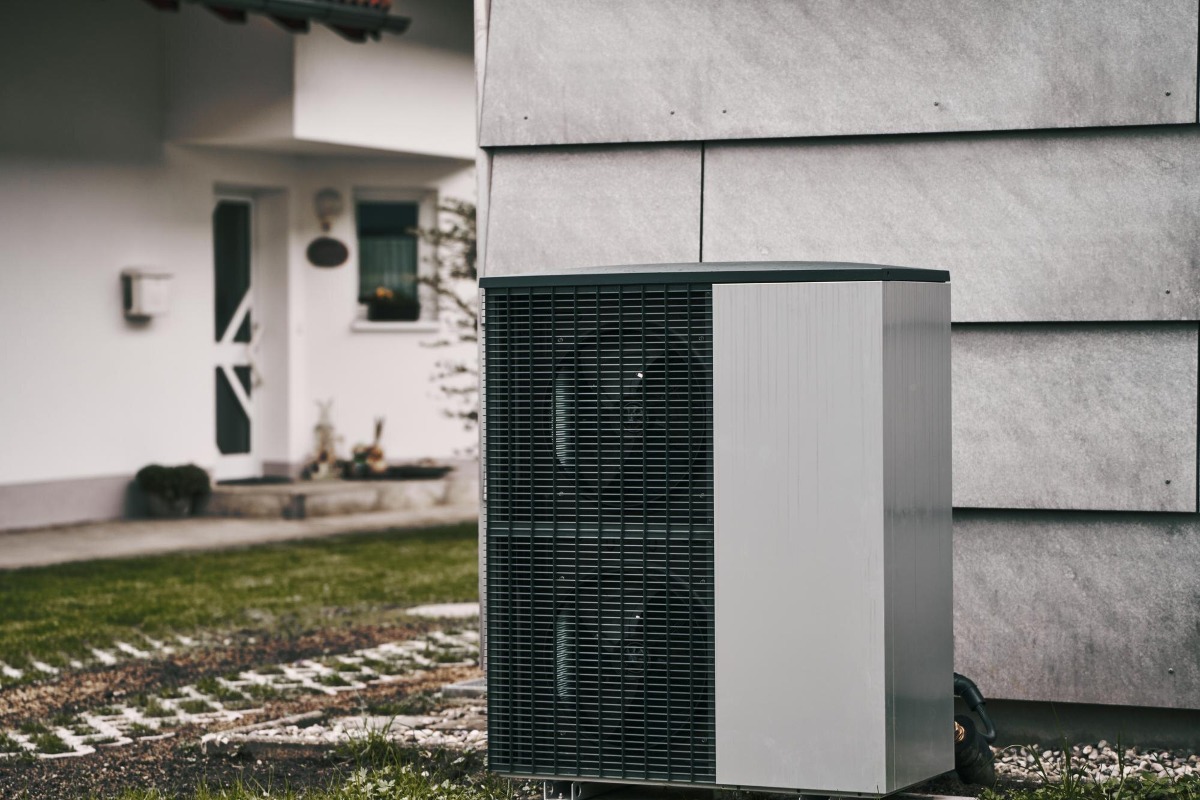
When you think about keeping your house warm, you may picture the gas furnace you have relied on for years. More Americans shopping for heating equipment are choosing something else: a heat pump. The gap between the 2 has been growing.
Heat pumps outsold gas furnaces nationwide in 2022 and again in 2023. By 2024, Americans bought 32% more air-source heat pumps than gas furnaces, the widest margin recorded in shipment data from the Air-Conditioning, Heating, and Refrigeration Institute. About 3.1 million heat pumps shipped across the country that year.
New homes offer another glimpse of the shift. In 2024, 52% of newly built single-family homes had electric heating. That figure covers electric heating of all kinds, while the shipment numbers show how strongly heat pumps themselves have been selling.
They heat your home differently
A gas furnace burns fuel to make heat. A heat pump moves heat from one place to another, including when the air outside feels cold to you. That difference is why heat pumps routinely use energy 2 to 4 times as efficiently as gas furnaces.
Winter performance has changed, too. Standard heat pumps typically begin losing efficiency around 35°F, but newer cold-climate models are designed to maintain full heating capacity down to 5°F. The U.S. Department of Energy began working with 8 manufacturers on a cold-climate heat pump challenge in 2021.
Those units have been tested outside the showroom. In field tests between 5°F and 17°F, the cold-climate units delivered a median of about 1.9 units of heat for every unit of electricity they used. That gives you a more useful picture of winter performance than a claim based on a mild day.
A tax credit helped with the cost
For homeowners who made the switch in 2025, a federal tax credit could take up to about $2,000 off the cost of a qualifying heat pump. The credit applied to eligible systems placed in service by December 31, 2025.
That helped put a heat pump within reach for some households considering new heating equipment. The appeal also goes beyond a one-time credit: instead of paying for fuel to be burned in a furnace, you are paying for electricity to move heat into your home. How that affects your bill depends on the prices you pay and the winter weather where you live.
The limit
A heat pump is not automatically the cheaper choice for every home. In a very cold area where natural gas is inexpensive and temperatures often fall below 0°F, a high-efficiency gas furnace can cost less to run. The federal heat pump tax credit ended for systems placed in service after December 31, 2025, so a heat pump installed in 2026 does not qualify for that credit. The sales figures show a national shift, not how many existing gas furnaces were removed and replaced.