You turn the knob, hear the click, and set a pot over the blue flame you’ve cooked with for years. If you’re shopping for a new range, that familiar setup faces growing competition, while questions about the air around your stove give the choice more weight than a kitchen makeover.
In short
- Induction ranges are becoming a popular alternative to gas stoves in American kitchens.
- Gas stoves release nitrogen dioxide and benzene into indoor air.
- Induction sends more energy into cooking than gas does.
- Induction has no open flame and produces no gas-combustion fumes.
Gas changes the air in your home
View in gallery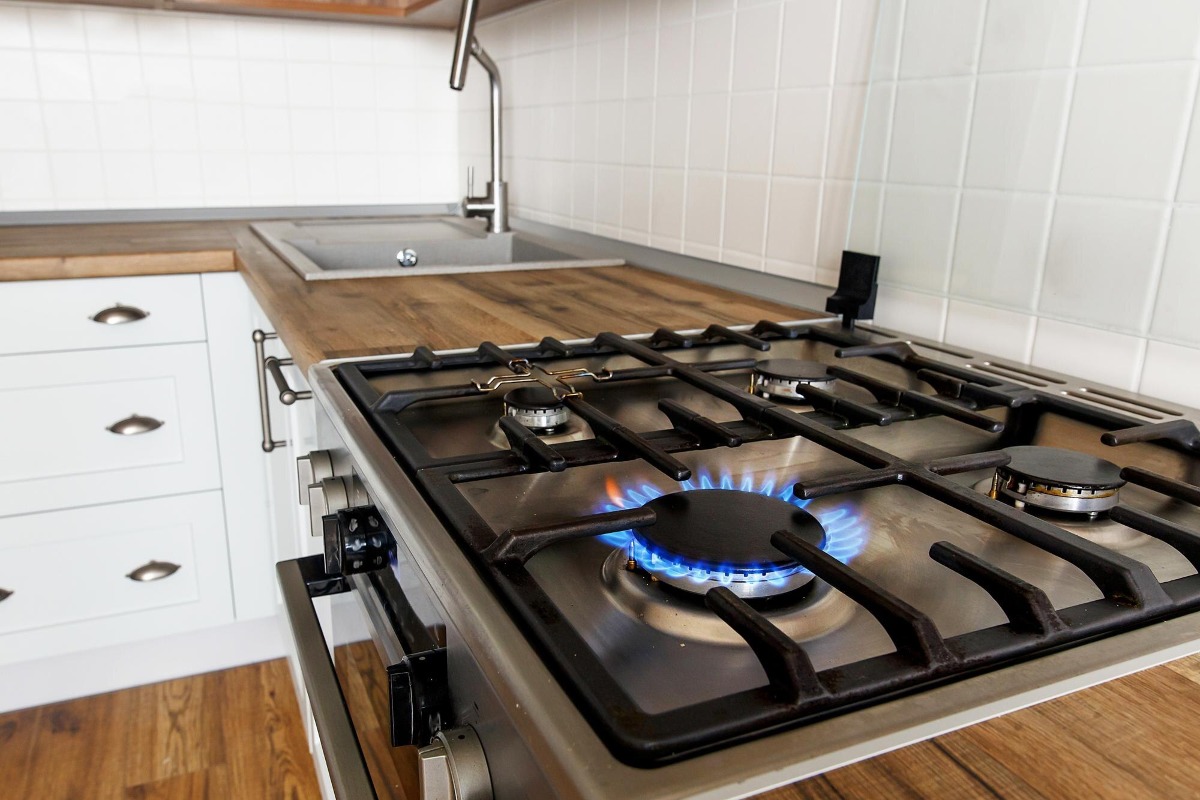
You turn on the stove to make dinner. By the time the dishes are done, the smell of cooking may be gone, but what came from the burner can linger. That is one reason more people are looking at induction when it is time for a new range.
In a 2024 study, Stanford researchers found that gas and propane stoves regularly exposed households to unhealthy levels of nitrogen dioxide. Concentrations breached health benchmarks in bedrooms within 1 hour of stove use and stayed elevated for hours after the stove was turned off. The air affected by cooking was not confined to the kitchen.
A separate Stanford-led study found that 1 gas burner on high, or a gas oven set to 350°F, can raise indoor benzene above levels found in secondhand tobacco smoke. A 2022 analysis attributed 12.7% of current childhood asthma cases in the U.S. to gas stove use. For a family that spends time gathered around the kitchen, those findings give a familiar appliance a different look.
Induction heats the pan instead
Picture a pot of soup on the stove. With gas, a flame heats the pot, and much of that heat goes elsewhere. With induction, energy goes directly into a compatible pot or pan sitting on the glass cooktop.
That difference shows up in efficiency. The U.S. Department of Energy says induction appliances are up to 3 times more efficient than gas stoves and up to 10% more efficient than conventional smooth-top electric ranges. Induction sends roughly 80% to 90% of its energy into cooking, compared with about 40% to 60% for gas.
It also changes what happens around the pan. There is no open flame, and the cooktop itself does not get as hot as a traditional gas or electric cooktop. Because induction uses electricity rather than burning gas, it does not produce gas-combustion byproducts such as nitrogen oxides, benzene and carbon monoxide in your kitchen.
More shoppers are looking at induction
If you have always cooked on gas, induction may once have seemed like an unfamiliar choice. It is now a serious contender in the range aisle. In a nationally representative June 2022 survey cited by the Department of Energy, almost 70% of respondents said they would consider induction for their next range or cooktop.
The shopping options are getting attention, too. Consumer Reports named the Frigidaire Gallery GCFI3060BF its top overall induction range among those it tested for 2026. Priced at $1,395, the 30-inch model stood out for heat control at both high and low settings. The U.S. induction cooktop market was valued at about $3.4 billion in 2024.
For you, the appeal is easy to picture at dinner: a pan heating directly, no flame beneath it, and no gas fumes from the burner. It is a different way to cook the same everyday meals.
The limit
Induction needs compatible cookware, so some of the pans you own may not work on a new range. The $3.4 billion market figure describes induction cooktops, not the number of households that have replaced a gas range. Induction is growing, but it remains a small part of the U.S. stove market, where gas and conventional electric ranges still dominate.