The toilet is clogged, the water is creeping up and the plunger is nowhere to be found. Before you drive to the hardware store, the fix may already be sitting next to your kitchen sink.
In short
- A generous dose of dish soap followed by hot water clears many soft clogs.
- The water should be hot but never boiling, to protect the porcelain.
- Baking soda and vinegar, a squeeze bottle or a wire hanger can help with stubborn blockages.
- Water spilling over the rim means shutting off the supply and calling a plumber.
Start with what is under the kitchen sink
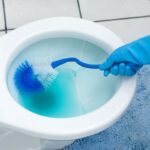
Most toilet clogs are soft: paper and waste stuck in the curve of the drain. That is why the first fix needs nothing more than dish soap. PBS SoCal recommends pouring about half a cup into the bowl and leaving it alone for around 30 minutes. The soap slides down and coats the blockage, and in many cases the toilet starts draining on its own.
Then add hot water, the right way
If the bowl is still full after half an hour, heat a large pot of water until it is just below a simmer. Wait until the level in the bowl has dropped at least halfway, then pour the water in from about waist height. The weight of the falling water, combined with the heat and the soap, pushes most obstructions through. A second or third pour is sometimes needed.
One warning matters more than the rest. As HowStuffWorks points out, boiling water can crack a porcelain bowl, so hot or warm water is the safe choice.
If the clog holds on
When soap and water are not enough, a few household items can take over:
- Baking soda and vinegar: pour in about a cup of baking soda, then one to two cups of vinegar, slowly. Expect fizzing, wait around 20 minutes, then flush.
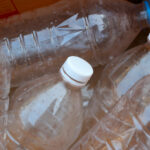
- A squeeze bottle: fill a plastic bottle with warm water, fit it into the drain opening and squeeze hard to send a jet of water at the blockage. Gloves and eye protection are a good idea.
- A wire hanger: straighten an old hanger, wrap a rag around the end so it does not scratch the bowl, and work it gently into the drain while wearing rubber gloves.
HowStuffWorks also advises keeping chemical drain cleaners as a last resort: they can damage pipes and are dangerous if they touch skin or if the fumes are inhaled.
When to stop and call a plumber
According to Angi, water spilling over the rim or leaking from a pipe is the moment to act right away: shut off the water and call a plumber. A toilet that stays blocked despite these methods, or that clogs again and again, usually points to a problem deeper in the line, and that is a job for a professional.
A few more bathroom and plumbing reflexes worth knowing: why some people pour dish soap into the toilet before bed, what boiling water really does to a kitchen drain and the best way to remove limescale from the toilet and faucets.
The limit
These tricks work on soft clogs. A solid object stuck in the drain will not dissolve in soap and hot water, and forcing it can push it deeper. And until the water level drops, avoid flushing again: a second flush on a blocked toilet is how a small problem turns into a wet floor.
That’s the trick.