You scrub the toilet, flush, and that brown ring still circles the waterline like you never cleaned at all. Before you reach for the toilet brush again, it’s worth knowing why another half bottle of cleaner may leave the same stain staring back at you.
In short
- Use a pumice stone to scrub away a stubborn brown toilet bowl ring.
- Wet both the stone and the porcelain before you start.
- Scrub gently with light to moderate pressure.
- Finish with toilet bowl cleaner and a toilet brush to clean and deodorize the bowl.
The brown ring comes from hard water
View in gallery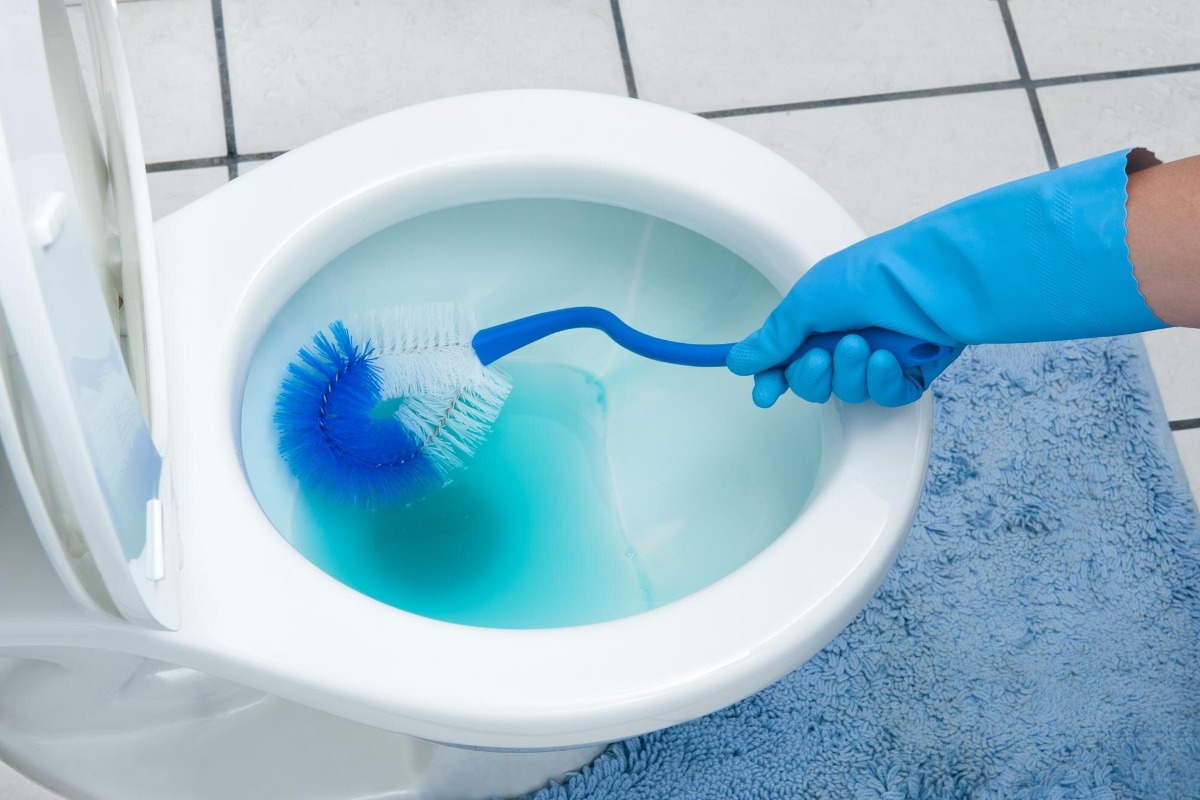
You clean the toilet, flush, and there it is again: a brown line right where the water rests. It can make an otherwise clean bathroom feel unfinished. That ring is often a buildup of minerals left behind by hard water.
Hard water carries calcium, magnesium, and sometimes iron. As the water sits in the bowl, those minerals collect along the waterline and form a crusty ring. Calcium and magnesium deposits tend to look gray to black; iron can leave orange, red, or brown marks.
That color is a useful clue when you look into the bowl. A brown ring points you toward the mineral deposits you want to lift, rather than just a mark you want to cover up. The stone works directly on that buildup.
A pumice stone lifts the buildup
You may know pumice as the rough little stone used on calluses. It has another job in the bathroom. The lightweight volcanic rock can scrub hard mineral deposits from a porcelain toilet bowl.
There is no mixture to pour in and leave sitting. Pumice works by rubbing against the deposit, so you can focus on the line you see at the waterline. It is a way to tackle a stubborn ring without making vinegar and baking soda the main event.
That direct contact is what makes the stone useful here. You are working on the crust that has gathered in 1 place, not treating the whole bowl and hoping the ring follows. A pumice stone was the item that cleared toilet limescale in a home-cleaning test after other methods had been tried.
Water and a gentle touch do the work
First, wet the pumice stone and the porcelain where the ring sits. Then rub the stone over the brown line using light to moderate pressure. Work along the stain and look at the area as you go.
Give the stone a chance to do the scrubbing. You do not need to bear down on it to address a mineral ring. Keep your attention on the stained porcelain, following the curve of the waterline until the deposit is gone.
When you have finished with the stone, use a toilet bowl cleaner and a toilet brush. The stone handles the mineral buildup; the cleaner and brush finish cleaning and deodorizing the bowl. Then you can flush and see the porcelain without that brown line drawing your eye.
The limit
This method is for mineral stains on porcelain. A dry pumice stone can scratch the bowl, and too much pressure can damage its surface. Do not use pumice on a toilet seat or on marble, laminate, plastic, fiberglass, acrylic, or painted enamel parts. If the mark is not a mineral deposit, scrubbing it with pumice is not the right approach.