You finish the dishes and reach into the fruit bowl for a bedtime snack, certain you’ve made the sensible choice. Cardiologist Aurelio Rojas wants you to think about that familiar kitchen habit when you’re hoping for a good night’s sleep. His concern starts with what you choose just before turning out the lights.
In short
- Ripe bananas, grapes, mangoes and pineapples are the fruits Aurelio Rojas says to limit at night.
- Their sugar increases the insulin response, which Rojas connects to broken rest.
- Broken rest can leave you feeling tired when you wake up.
- For an evening fruit bowl, Rojas points to kiwi, blueberries and apples.
Your bedtime fruit bowl matters
View in gallery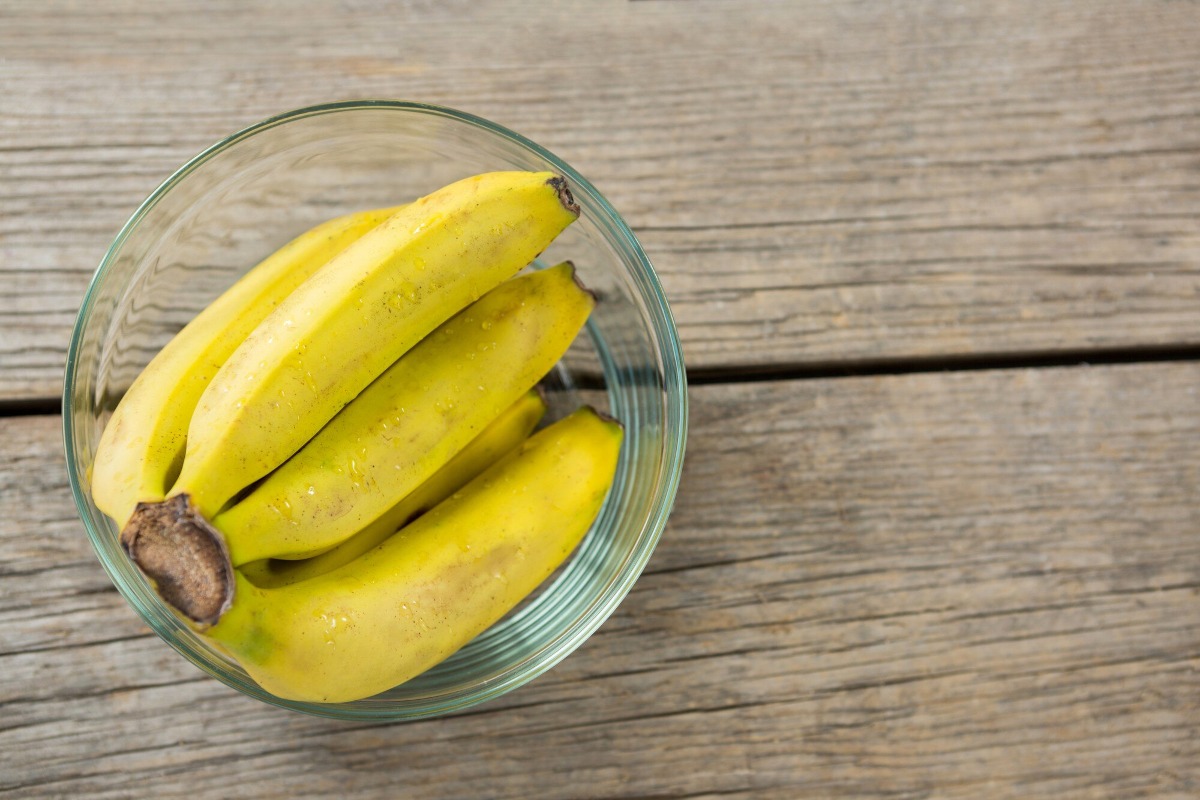
The banana on your kitchen counter looks like an easy snack when the evening gets quiet. Spanish cardiologist Aurelio Rojas puts ripe bananas on his list of fruits to limit at night, alongside grapes, mangoes and pineapples. His concern is their sugar and the way your body responds to it.
Rojas says these fruits increase the insulin response when you eat them at night. He connects that response with rest that breaks up rather than carrying you through to morning. The fruit bowl can look like a small choice, yet his advice asks you to think about what you reach for before bed.
Broken rest shows up in the morning
Falling asleep is only part of a good night. Rojas says the fruits on his list can help you drift off, then “fragment your rest.” You can wake after a night in bed and still feel worn out.
That morning feeling is why he brings up the heart. Rojas says that, over time, broken rest can take a toll on it. Sleep is a recurring part of his message about heart health: he has also warned about the heart risks of sleeping less than 6 hours.
So his point is not that fruit gives you an instant burst of energy at bedtime. It is that the choice you make when you are ready to settle in could shape the rest you get afterward. The question becomes which fruit belongs in your evening bowl.
There are other fruits for evening
If you want fruit with a light dinner, Rojas points to kiwi, blueberries and apples. You can keep the simple pleasure of something fresh without choosing from the group he cautions against at night. An apple gives you something to bite into; blueberries or kiwi offer a different way to finish the meal.
Rojas singles out blueberries for what they contain. He says their plant compounds have an anti-inflammatory effect that helps protect the heart. His larger point is about timing: an evening fruit choice can support the restful night you are hoping for.
The limit
Rojas’s advice is a caution, not a ban on bananas, grapes, mangoes or pineapples. He says a banana after exercise or grapes in the afternoon can fit a healthy diet. His banana warning is specifically about a ripe one, which is yellower, softer and sometimes spotted; a greener, firmer banana has less sugar and more fiber. He describes broken rest as a possible effect, not something that will happen to everyone who eats these fruits at night.