You finish a mango or peel the last lychee, look at the glossy pit, and hesitate over the trash. In winter, with the yard quiet, the reflex is to rinse it, find a pot and set it on the windowsill. It’s a good instinct, as long as you know what that little pit can, and can’t, turn into.
The clock starts on the plate
That pit is more than a hard leftover. Inside, a mango or lychee seed holds a tiny embryo and a stock of food to get it started. Add water, and its cells wake back up. Add warmth, and everything speeds along. The first root drinks in moisture long before any leaf can feed the plant.
There’s no waiting period, either. Mango seeds have no dormancy, but they lose their ability to sprout quickly as they dry out.
Lychee is even less patient. Its seeds lose viability after a few days, so they should go straight from the fruit to the pot, never into the refrigerator. That pit on your plate is on a short timer: lychee seeds lose viability after a few days.
From the fruit bowl to the pot
Start with a clean pot that drains well, filled with fresh, moist seed-starting mix. Clean every bit of fruit off the pit, then plant it right away. Don’t leave it drying on a plate, especially the lychee.
The mango needs one extra step. Open its husk carefully with scissors, then set the kernel inside with its top just below the surface of the soil. The lychee is simpler. Just cover it lightly, about one to two times as deep as the seed is wide.
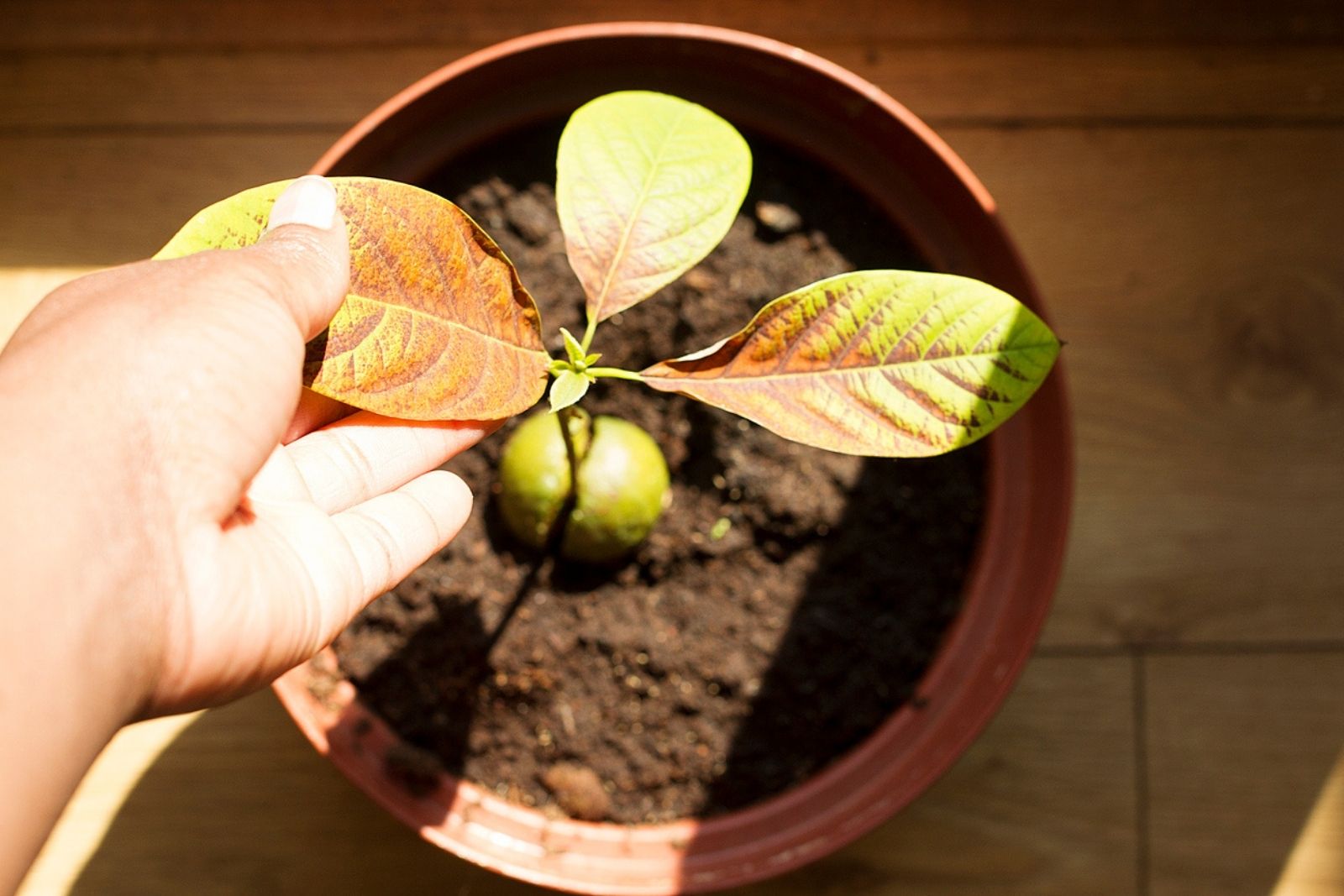
From there, keep the mix evenly moist, but never soggy. If you put a clear cover over the pot, take it off as soon as the shoot appears. That little green sprout changes everything, because now the plant wants light, about 14 hours of it a day.
WindowsillGardening shows a lychee plant grown from seed in a two-minute demonstration.
Why the windowsill isn’t quite enough in winter
So why start in winter at all? The season helps you more than it helps the seed. A warm room keeps these tropical seedlings safe from freezing weather. It also puts the new green growth right where you can watch it.
The catch is the light. Even a bright windowsill often gives too little of it, and only from one side. Seedlings stretch and lean toward the glass, as if they were reaching for more.
Keep the pot away from the cold pane, and give it a turn regularly so it grows straight. With short winter days, extra light matters even more once the shoot is up. And once your pit is truly growing, it helps to know what you’re really raising.
Leaves Yes, Fruit Is Another Story
Watch the watering. A wet mix with poor airflow can lead to damping-off. If the stem collapses at soil level, throw the seedling out and start again clean.
Don’t count on fruit, either. Lychee seedlings don’t come true from seed and may need 10 or more years to bear, and only polyembryonic mangoes generally match their parent. Both eventually become large outdoor trees in suitable climates, not permanent windowsill plants.