

You set a fresh roll of toilet paper on the bathroom counter and glance at the toilet you’ve used for years without a second thought. If you were replacing it today, one detail at the plumbing showroom could change which model you bring home.
In short
- Comfort height toilets have seats 17 to 19 inches above the floor, about the height of a chair.
- The taller seat makes sitting down and standing up easier for seniors, taller adults, and people with knee or hip pain.
- Kohler, American Standard, and TOTO sell taller toilets under different names.
- They generally cost about the same as standard models and fit without changes to the existing water supply line or floor flange.
Comfort height toilets ease the bend
View in gallery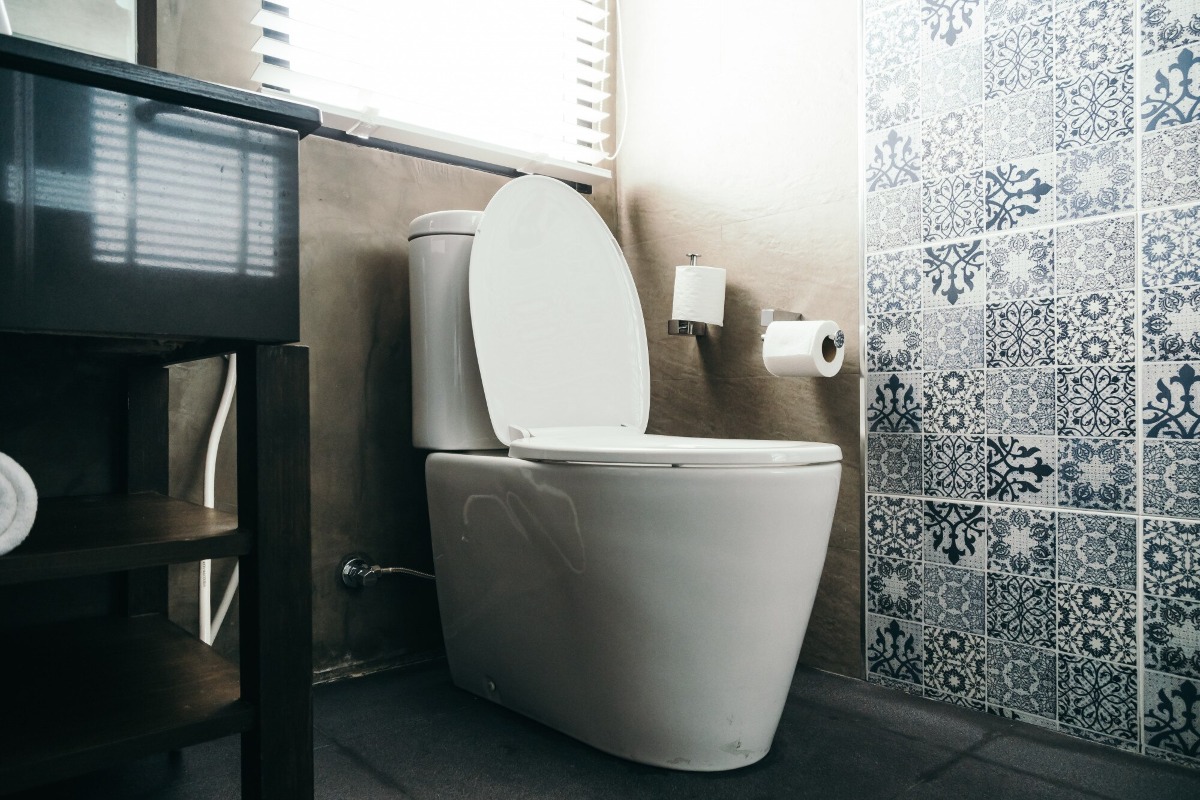
Think about the last time you stood up from a low chair. You had to bend your knees and hips more to get down, then work harder to rise. A standard toilet can bring that same movement into a routine you repeat every day.
The difference is in the seat height. A standard toilet sits roughly 14.5 to 16 inches from the floor to the top of the seat. A comfort height toilet sits 17 to 19 inches high, close to a regular chair. Those extra inches mean less bending as you sit and less effort as you stand.
That can be welcome if you are tall, getting older, or dealing with knee, hip, or back trouble. You are not changing how you use the bathroom. You are making the seat easier to reach on the way down and easier to leave on the way up.
The taller seat has several names
Shopping for one can feel confusing because the boxes do not all say the same thing. Kohler uses “Comfort Height,” a term it originally trademarked. American Standard calls its taller version “Right Height,” while TOTO uses “Universal Height.”
The measurement tells you what the names are pointing to: a seat 17 to 19 inches above the floor. That is also the range the 2010 Americans with Disabilities Act standards set for accessible adult toilet seats. In a home bathroom, you will also see the design called chair height.
The National Association of Home Builders includes taller toilets in its aging-in-place remodeling checklist. It recommends a toilet about 2.5 inches higher than standard, in the 17-to-19-inch range, or one with adjustable height. It is a practical way to make an everyday room easier to use as your needs change.
The switch uses the same plumbing
If your current toilet is in the right spot, choosing a taller one does not mean rearranging the bathroom. Replacing a standard toilet with a comfort height model in that same location does not require changing the existing water supply line or the floor flange height.
The purchase price is familiar, too. Comfort height and standard height toilets generally cost about the same when you compare models in the same product line. You are choosing where the seat sits, not paying for a different kind of plumbing.
That is the appeal behind this bathroom choice. The toilet still has the same job and occupies the same place. What changes is the part you feel each time you lower yourself onto the seat or rise from it.
The limit
A taller seat is not the most comfortable choice for everyone. Adults under about 5 feet 4 inches and children often prefer a standard-height toilet because their feet can rest flat on the floor. Installation can cost slightly more, and a higher bowl does not improve flushing power: bowl height does not affect MaP flushing-performance scores.