You pull back the curtain and there it is again: the same black grid. Window bars block the view, collect dust and make the room feel locked from the inside. More and more homes are trading them for a tested security screen that can delay access while opening quickly from the room.
A grid that works both ways
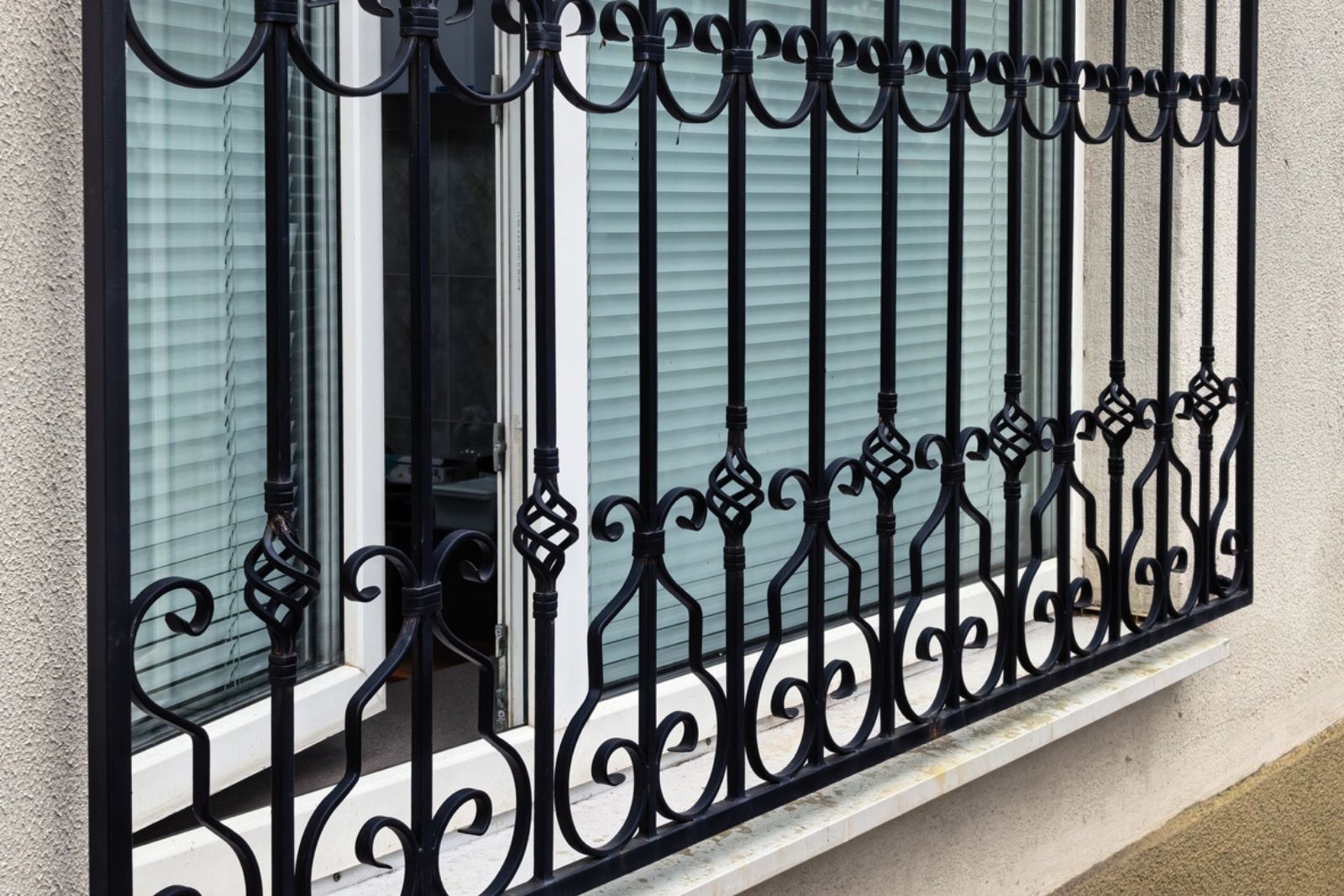
Those bars feel like protection. The tradeoff can even seem reasonable: a blocked view in exchange for peace of mind.
But fixed bars have a catch. They can also keep you in by blocking a fire escape. Real security comes in layers, and no single fix does the whole job, as we saw with the glass of water trick.
That’s where a tested security screen comes in. It slows down anyone trying to get in. Yet with an emergency release on the inside, it opens quickly from the room.
Not the bug screen you’re picturing
A security screen is not ordinary insect mesh. It’s woven stainless steel, held inside a rigid frame.
When something hits it, the force spreads across the whole panel and its fasteners. It doesn’t open a gap the way it can around a bar. One state’s construction specs ask for an aluminum frame, hidden fasteners and screens tested for forced entry, impact and sagging. In other words, the screen has to survive someone leaning on it.
You keep your airflow and your view. And on a window you’d use to get out, the screen has to hinge or release from inside the room. Which brings us back to the bedroom, in the middle of the night.
The 3 a.m. test before the bars come off
The bedroom window may be your way out at 3 a.m. So before anyone unbolts anything, run through four checks.
Start by mapping your escape windows: bedrooms first, then any basement room where someone sleeps. Your local building or fire department can confirm what’s required.
Next, measure the opening, not the frame. Open the window all the way and measure the width and height of the actual hole, in inches. Divide each number by 12, then multiply them to get the area in square feet. In Florida, the 2023 code calls for a clear opening of 5.7 square feet, or 5 square feet at ground level, at least 20 inches wide and 24 inches high. Your local code is the one that counts, so compare both numbers with it.
Then test the release from indoors, with the window closed. Everyone who sleeps in that room should be able to work it with one hand. If a model needs a key, a tool or a sequence you have to memorize, it’s not the one.
Finally, practice the whole route with everyone in the household. Open the release from inside, get out, and head to your outdoor meeting place. Only then do the bars come off.
Home Inspector Dan demonstrates it in the video “Security bars over windows can make your home a prison.”
The Bug Screen Swap, And Where Steel Stops
Never swap bars for a plain bug screen. The Consumer Product Safety Commission warns that ordinary screens won’t stop a child from falling. A fixed security screen belongs only on a window nobody needs for escape.
Bring in your building department and a qualified installer if it’s a bedroom exit, the masonry or framing is damaged, or no one at home can work the release easily. A test report shows how a screen held up, not a promise that no one gets in.