
Saturday morning, you scrub the shower top to bottom. The tiles gleam. The lines between them stay stubbornly grey, with a few black dots creeping up from the corners near the floor. A blast of bleach spray whitens them for a week, maybe two, and then the grey comes right back, a little darker each time.
This is not a cleaning failure, and it’s not your fault. The grime isn’t sitting on the grout. It’s inside it, and most of the usual fixes either can’t reach it or quietly make the problem worse.
The One Reason: Grout Is A Sponge
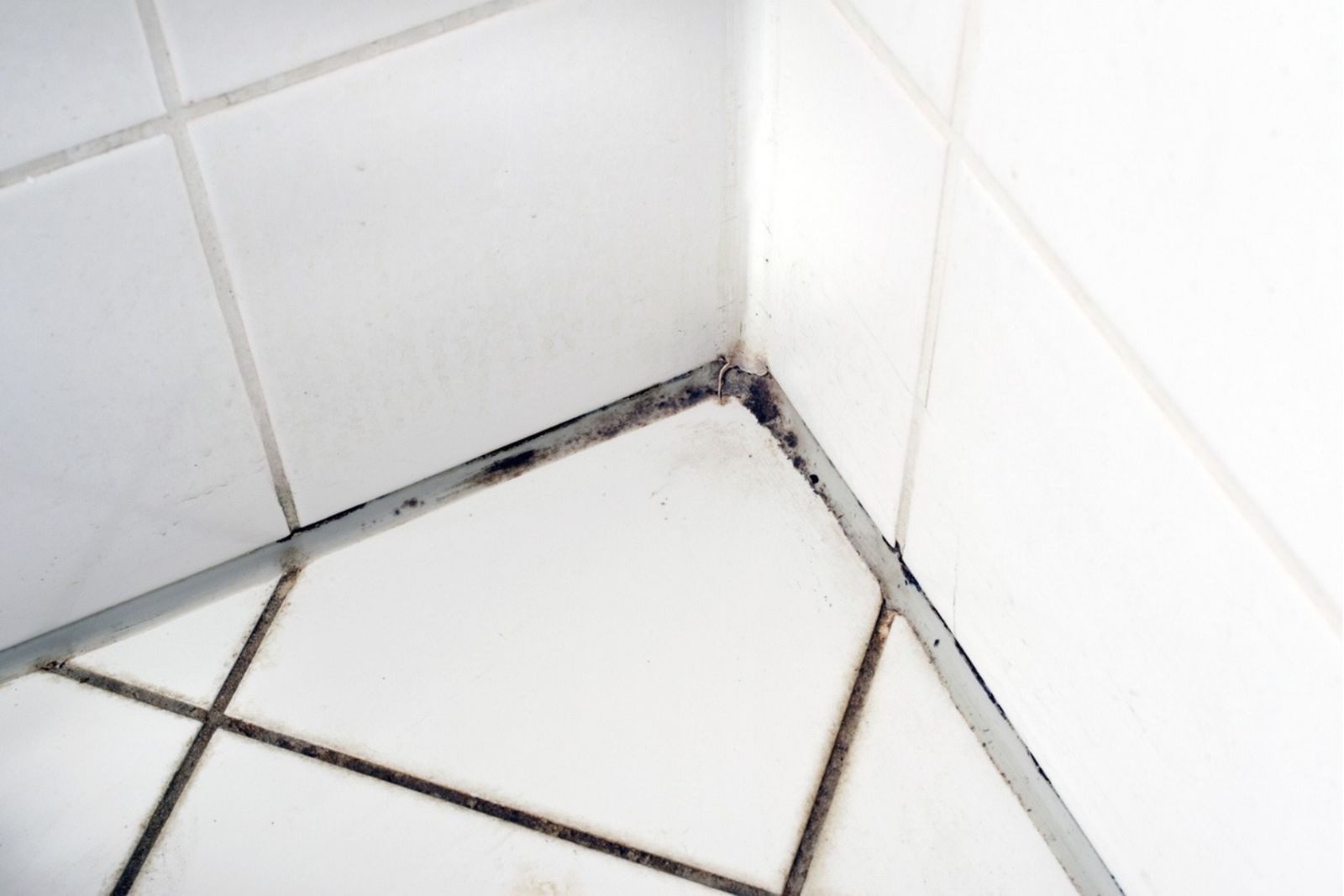
Standard cement grout is porous. Every shower pushes water, soap residue and body oils into countless tiny pores, and that damp, fed environment is exactly where mold and bacteria settle in. A surface wipe never touches what’s living a fraction of an inch down.
Cement grout is also highly alkaline, with a pH of 11 to 13, which is why acids are its enemy. Scott Carothers of the Ceramic Tile Education Foundation explains that acid use “makes the grout more porous”, so dirt collects faster after every treatment. The grout manufacturer Mapei is just as clear about the most popular home remedy: “However, frequent or regular use can discolor and weaken grout and should not be used for routine maintenance.” The weekly vinegar spray is literally opening the door for next week’s grime.
What Clears Years Of Buildup
The tool that reaches inside the pores is oxygen bleach, the powdered sodium percarbonate sold in the laundry aisle. Mixed with water it releases hydrogen peroxide, which penetrates porous materials and doesn’t discolor grout the way chlorine bleach can:
- Wet the lines with very hot water, which boosts the cleaning power.
- Sprinkle oxygen bleach powder directly over the grout.
- Wait 30 to 60 minutes. Years of buildup need the full hour.
- Scrub gently with a paste of oxygen bleach and hot water, using a toothbrush or small nylon brush. Never a wire brush: overzealous scrubbing can crumble grout.
- Rinse with clean water and let the area dry completely.
Keeping It White, And Knowing When It’s Too Late
Once it’s clean and dry for at least 45 minutes, seal it. A penetrating grout sealer plugs the pores so water and soap stay on the surface, and sealers typically cure in 24 to 48 hours. Reseal about once a year in a busy bathroom and every two years in low-traffic areas. For routine cleaning, switch to a pH-neutral tile cleaner, and skip the acids.
A few hard rules. Never mix chlorine bleach with vinegar, ammonia or any acid: the combination releases toxic gas. Keep vinegar away from marble, travertine and limestone, which it etches. If you’re curious why the classic vinegar and baking soda combo disappoints, the chemistry is simple. And if the grout is cracked, crumbling or sunk below the tile edges, no cleaner will fix it. That joint needs regrouting. And if mold keeps returning no matter what you do, have a pro check whether water is getting behind the tile.
Oxygen bleach to clear it, sealer to protect it, no acids to ruin it. That’s the trick.


