The first cold night of the season, you stack the logs, strike the match, and settle in. Ten minutes later, the room smells smoky, the fire won’t draw, and someone asks when the chimney was last cleaned. You think it was the year you moved in. You’re not completely sure.
This is not your fault: a chimney gives few signs until something is wrong, and the rules sound vague until you know where they come from. They come from a fire safety standard, and they are simpler than most people think.
The annual rule, and why creosote is the reason
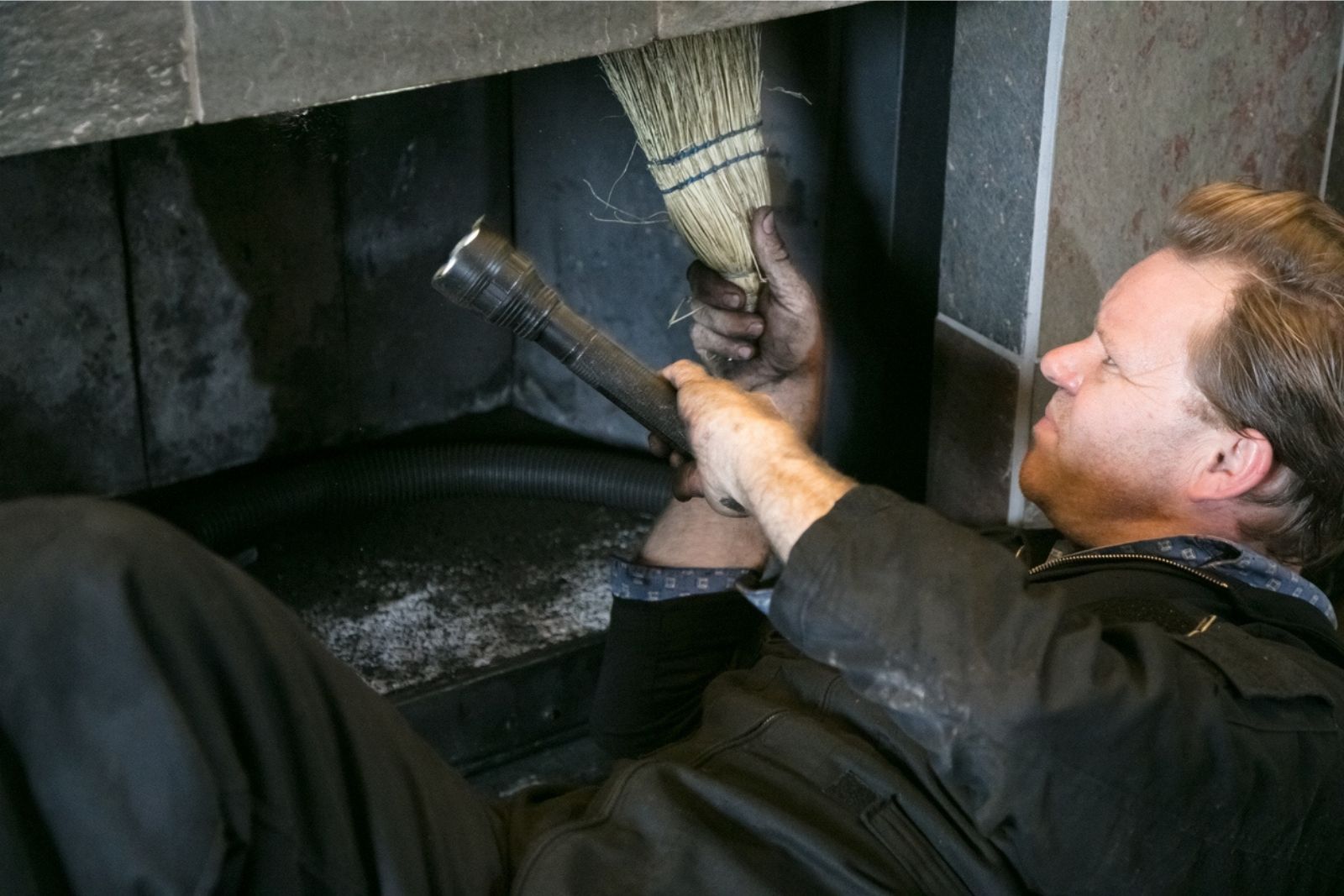
The standard most chimney pros follow is NFPA 211, from the National Fire Protection Association. As the Chimney Safety Institute of America quotes it: “Chimneys, fireplaces, and vents shall be inspected at least once a year for soundness, freedom from deposits, and correct clearances.” Cleaning, maintenance and repairs follow when needed.
Inspection every year, then, but sweeping depends on what the inspection finds. CSIA recommends sweeping masonry fireplaces at 1/8 inch of sooty buildup, and sooner if there is any glaze, a hardened form of creosote. Factory-built fireplaces should be swept when any appreciable buildup appears.
Creosote is the reason all of this matters. It’s a flammable, tar-like substance produced by burning wood, and it collects inside the flue. According to the International Code Council’s safety journal, chimney fires account for 75 percent of home heating fires, with more than 22,000 known chimney fires a year in the US, and they often happen during the first cold spell of the season.
How often, by how you burn
- Occasional wood fires: an annual inspection, with a sweep when buildup reaches the 1/8-inch mark.
- Daily use, or a wood stove as your main heat: plan on cleaning about twice a year, once in late summer or early fall and again in spring.
- Gas fireplaces: they don’t produce wood creosote and need sweeping less often, but they still need a yearly inspection, since debris and nests can block the vent.
Cost is modest compared with the risk: a chimney sweep averages about $254, usually between $129 and $380, according to Angi.
The 2 checks you can do yourself
First, look and smell. With the fireplace cold, shine a flashlight up past the damper. Black, tar-like deposits, cracked or crumbling mortar, or a smoky smell even when no fire has burned for days all mean it’s time to call a sweep. Second, watch the smoke. A fire that fills the room with smoke instead of drawing up the chimney is a problem to fix before the next fire.
The limit: these checks only catch the obvious. Only a certified sweep can inspect the full flue. And if you ever hear loud popping, a low rumble like a passing train, or see dense smoke or flames from the chimney top, get everyone out and call 911. A closed door between rooms helps too, which is why fire experts say a closed bedroom door can buy precious time.
Inspect every year, sweep at 1/8 inch, and never light the first fire blind. That’s the trick.