You call your dog in from the yard, and she looks up before you reach the back door. Why does one call get her attention while another seems to drift past? Researchers have looked closely at those small responses, from a dog coming closer to the twitch of a cat’s ears.
In short
- Your higher, softer baby voice gets your pet’s attention.
- Dogs engage with dog-related words spoken in that voice.
- Cats recognize the special voice you use for them.
- The bond you share helps make that voice effective.
Dogs listen to the voice and the words
View in gallery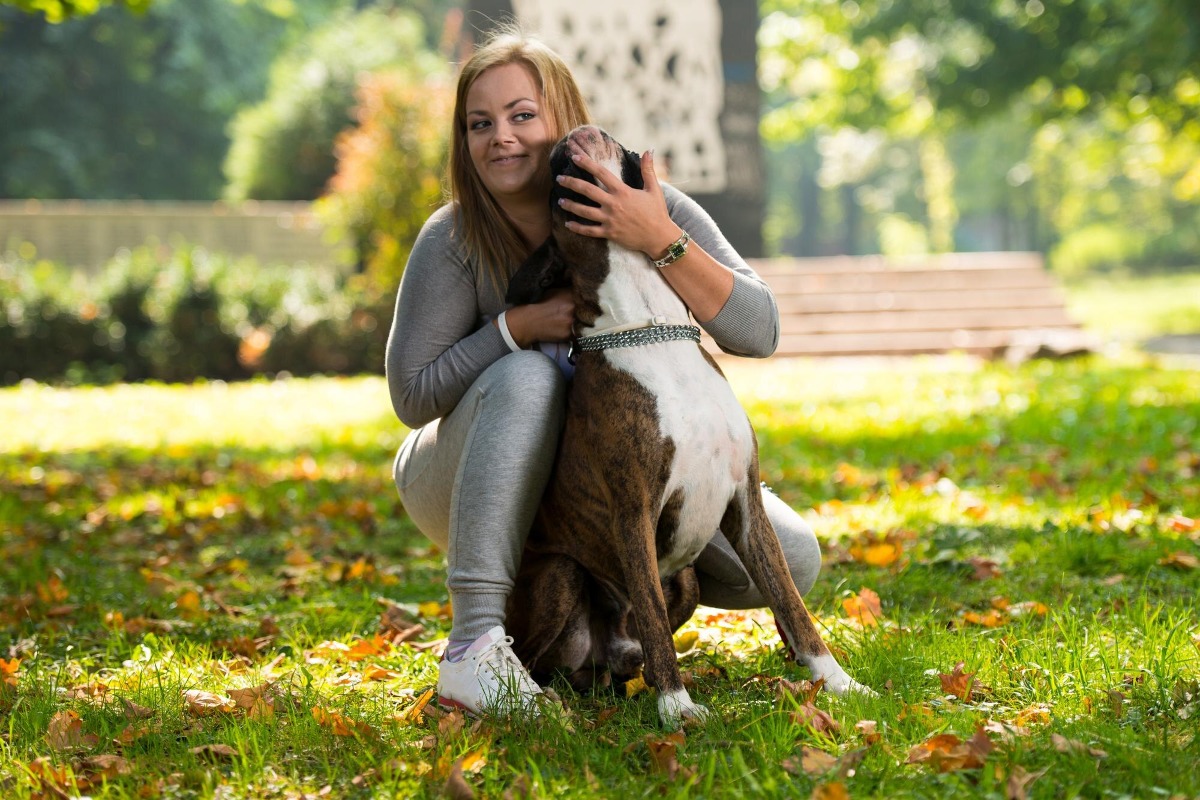
Your dog is across the yard, and you call in the voice you save just for him. It sounds different from the one you use to ask someone to bring in the mail. Spanish veterinarian Juanjo Vet puts the difference plainly: “It has been proven that the baby voice we all use to talk to our pets is the most effective.”
Juanjo describes that voice as high-pitched, soft, and full of feeling. Research gives you a closer look at what dogs hear. In a 2018 University of York study, adult dogs were more interested in spending time with a person who used that special voice and talked about things related to dogs. The sound drew them in, and the subject mattered, too.
Another study found that adult dogs paid more attention to speech directed at pets than to ordinary adult conversation. Their attention also rose as the speaker’s pitch rose. That singsong voice you slip into around your dog has a real connection to how closely he listens.
Your cat hears who is talking
Now picture your cat settled on the couch while you talk nearby. When you turn to her, your voice changes almost without thinking. It becomes softer and more expressive, the voice that belongs to your conversations with her.
In a 2022 study led by Charlotte de Mouzon, cats showed that they could tell their owner’s voice from an unfamiliar one. When researchers played a stranger’s voice and then the owner’s, 10 of 16 cats reacted to the owner after showing no response to the stranger. The cats also noticed when their owner switched to speech meant for them.
That finding makes the small moments at home feel a little more meaningful. Your cat hears more than an unusual pitch. She hears a voice she knows, speaking in a way she has come to know as yours. In the study, cats responded to their owners’ pet-directed speech, connecting the sound to the person behind it.
Keep the familiar voice
You do not need to put on a performance for your pet. Think of the way your voice naturally lifts when you greet your dog or speak to your cat. That gentle change is what Juanjo means by baby voice.
With your dog, the words can carry part of the message. The York researchers found the strongest interest when the special voice came with dog-related talk. With your cat, the familiar speaker was central to the response researchers saw. Either way, the voice is part of an everyday exchange between you and the animal listening.
The limit
Baby voice is not a promise that every pet will respond every time. In one attention test, adult dogs did not show a clear preference for dog-directed speech, even though puppies paid more attention to it and adult dogs showed greater social interest in a separate test. The cat study found a response to an owner’s special voice, not a stranger using the same style. Your pet’s reaction can be quiet, and the bond behind the voice matters.