
You lift the last crate of carrots from the garden and open the refrigerator. The crisper is already wedged behind the milk, the leftovers and half a cabbage. The fridge keeps food safe, but for a whole season’s harvest, it’s missing two things a root cellar has plenty of.
The crate that won’t fit
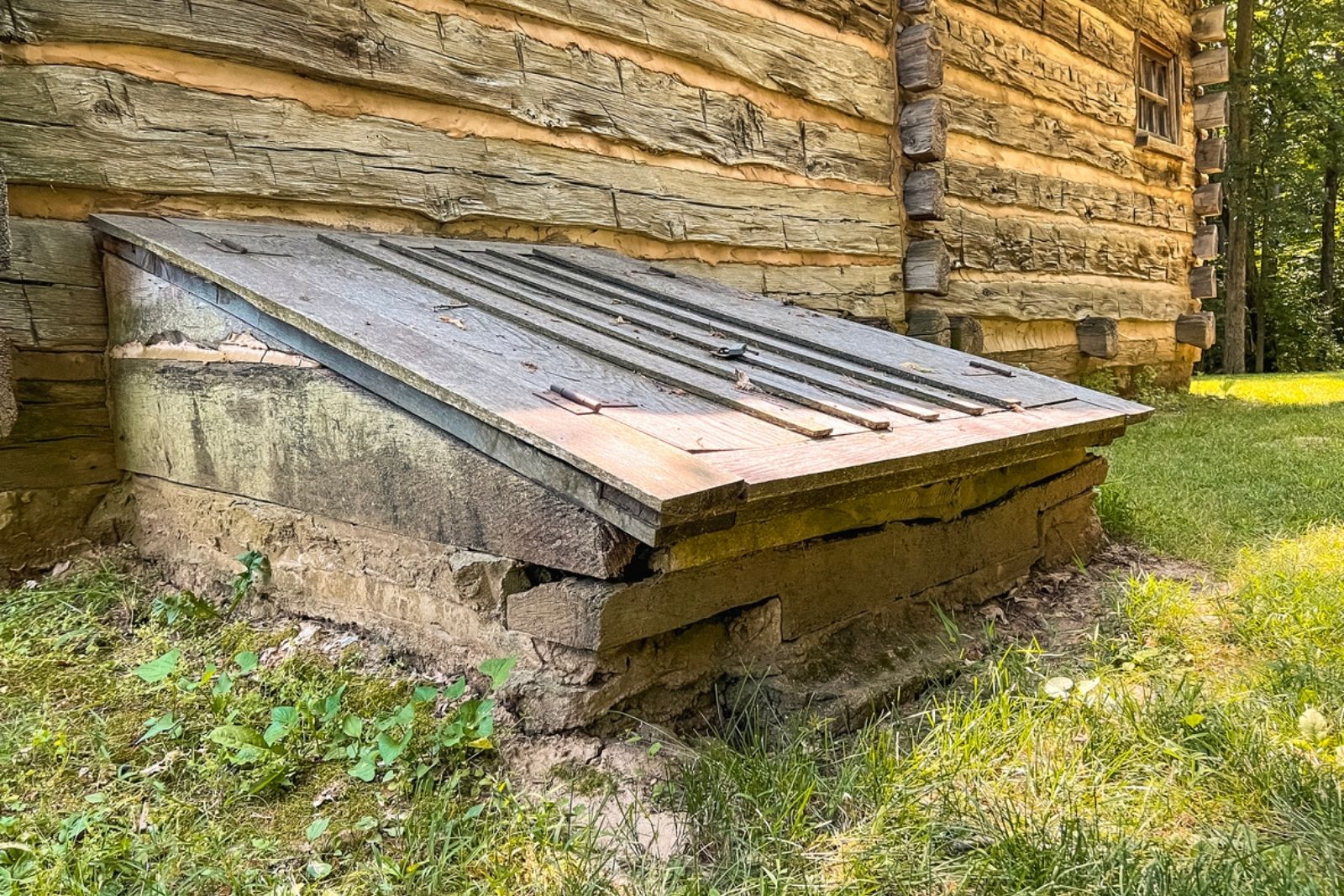
More and more backyards are getting a root cellar again. The refrigerator is doing its job. It keeps food cold enough to be safe.
But many storage crops need more than that. They need room, and they need moisture. A crowded drawer can’t give them much of either.
And space is only half the story. Those carrots in your arms are still very much alive.
Your carrots are still breathing
Harvested vegetables are living tissue. They keep breathing, burning through their stored energy and losing water to the air around them. Cold slows all of that down. Damp air keeps them from shriveling.
That’s where the fridge comes up short. A home refrigerator sits around 40°F, with humidity of only 50% to 60%. Carrots, beets and cabbage want something colder and much wetter: 32°F to 40°F, with 95% humidity.
A cellar gives you that cold, damp air by the crate, not by the plastic bag. The good news is that it doesn’t have to be a buried stone room.
A cellar can be a closet, a shed or a basement corner
You don’t need a buried stone room. An unheated closet, shed, basement or crawlspace can work, as long as you can control three things: temperature, humidity and ventilation.
Start with the onions. Let them cure at room temperature for two to four weeks. Then they want cold, dry air: 32°F to 40°F and 65% humidity. Pumpkins also go somewhere cool and dry, away from the damp root zone.
Next, sort the rest of the harvest. Set aside anything bruised or rotting, and remove the carrot and beet tops. The sound produce goes into food-safe, ventilated containers.
Leave the bags for the fridge drawer. Perforated bags can create a humid pocket in there, which helps. Unperforated ones trap condensation, and that can encourage mold or bacteria.
Then hang a thermometer-hygrometer at crate height. It tells you at a glance whether your main root zone is holding that cold, moist target. Finally, open the vent. Breathing produce needs oxygen, and its gases shouldn’t build up. Rodent-proof the space before you call it done.
If potatoes are on your list, our guide to keeping potatoes from sprouting covers the crop most likely to reveal a cellar’s weak spots.
Tractor Supply Company shows how a basement corner gets converted into a storage room.
What Still Belongs Back In The Fridge
The cellar is for whole, sound storage crops. Leftovers, meat, dairy, eggs and pre-cut produce belong at 40°F or below, so they stay in the fridge unless the room reliably holds that.
Cold can hurt the wrong harvest, too: cucumbers may pit below 40°F, and pumpkins are very sensitive below 45°F. If the room freezes, grows visible mold or can’t hold its target range, it’s no longer doing the job.


