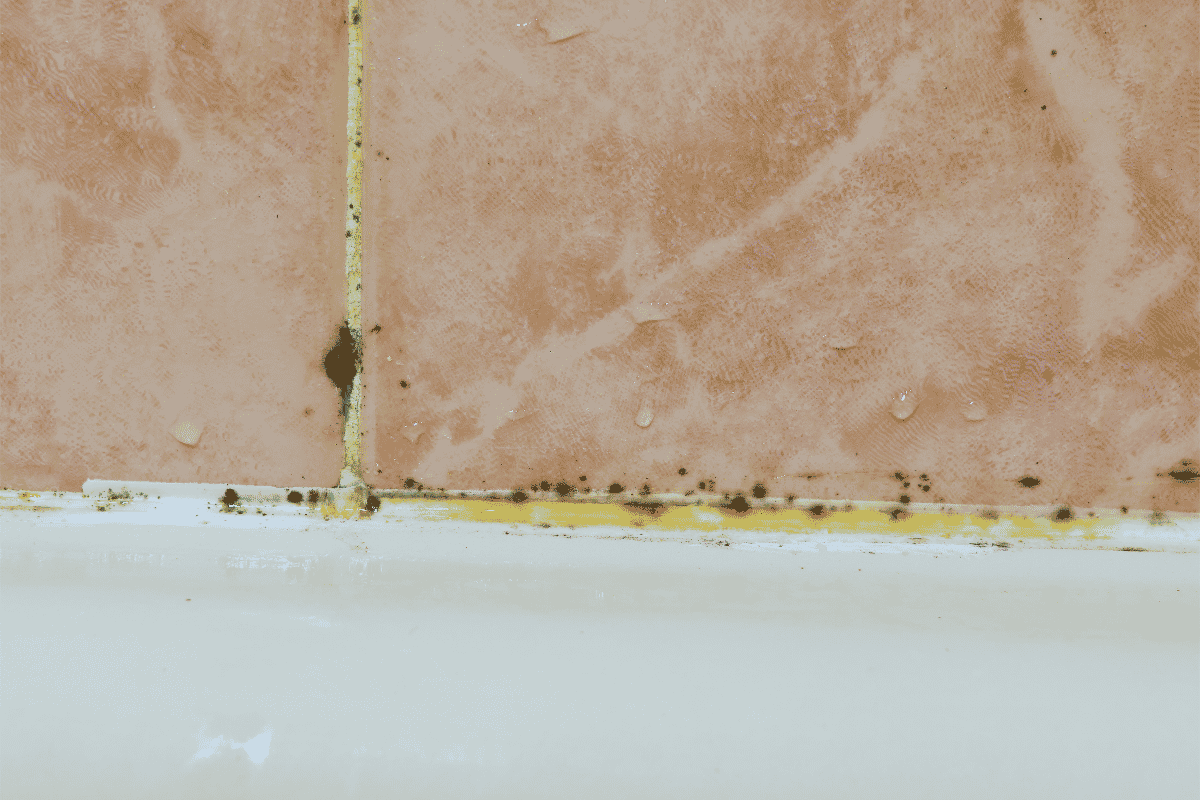
You step out of the shower and spot those dark specks along the tub again, right where a quick wipe never seems to help. Before you reach for your usual cleaning supplies, there’s a gentler way to tackle them and a simple step that can help keep the caulk looking clean.
In short
- Spray white vinegar over the moldy caulk.
- Work baking soda and warm water into the edges with a soft brush.
- For stubborn stains, soak the caulk with hydrogen peroxide for 15 to 30 minutes, then scrub gently.
- Keep the caulk dry and choose mold-resistant caulk when it’s time to replace it.
Bleach leaves part of the job undone
That dark line where your tub meets the wall can make the whole bathroom feel dirty. Reaching for bleach is understandable. It promises a quick change in color, but a lighter stain is not the same thing as removing the mold.
The EPA says routine bleach use for mold cleanup is not recommended. It also points out that dead mold spores can still cause allergic reactions. The mold needs to be physically removed, not just killed.
Bathroom caulk gives you another reason to put the bleach down. Bleach can wear down the caulk, while on porous caulk it can lighten surface stains without reaching mold deeper inside. A soft brush and a gentler cleaner do more of the work you need.
Start with vinegar and a soft brush
Spray white vinegar over the full length of the moldy caulk, including the corners where the line turns. Then mix baking soda with warm water to make a paste. Use an old toothbrush or another soft brush to work the paste along the caulk and into the edges.
You’re aiming to lift the mold off the surface, not scour the caulk. Give the corners a little attention, where a wide brush is easy to miss. Once you’ve worked along the line, rinse away the paste and take another look at the stain.
For dark marks that remain, fill a spray bottle with hydrogen peroxide and thoroughly wet the caulk. Leave it for 15 to 30 minutes so it can soak in, then go over the area again with the soft brush. This is the part of the method meant for the stubborn discoloration that vinegar and baking soda leave behind.
Dry caulk stays cleaner
Once the dark line is gone, the small moments after a shower matter. Run the bathroom exhaust fan or a dehumidifier while you shower to clear moisture. Wipe down the caulk afterward, and do the same around the sink after use.
Give the caulk a deeper clean each month and look closely as you go. Peeling, soft spots, cracks and gaps tell you it’s time to pay attention to the seal itself. Bathroom caulk typically lasts 3 to 5 years, depending on how much moisture it faces.
When you replace it, choose mold-resistant caulk rather than standard caulk. Sashco’s CleanSeal, for example, uses enzymes that break down body oils and soap scum mold feeds on. Other mold-resistant caulks use ingredients that suppress mold growth. Either way, pairing the new caulk with a drier bathroom gives that clean line a better chance to stay clean.
The limit
Cleaning the caulk won’t solve a leak or moisture that keeps building up, and mold that extends beyond the visible caulk calls for more than a surface clean. Mold-resistant caulk is not a substitute for drying the bathroom. The EPA also notes specific circumstances in which bleach use may be appropriate, so its advice is against routine use, not every possible use.