The last sheet comes away, leaving an empty cardboard tube in your hand and one more thing to recycle. So you crush it and move on.
Don’t feel bad: that is the normal reflex. Gardeners save these rolls because a few cuts can turn them into seed pots, pest barriers or compost material without another purchase. The useful part is matching the tube to the job before damp cardboard starts causing trouble.
Why gardeners save the tube
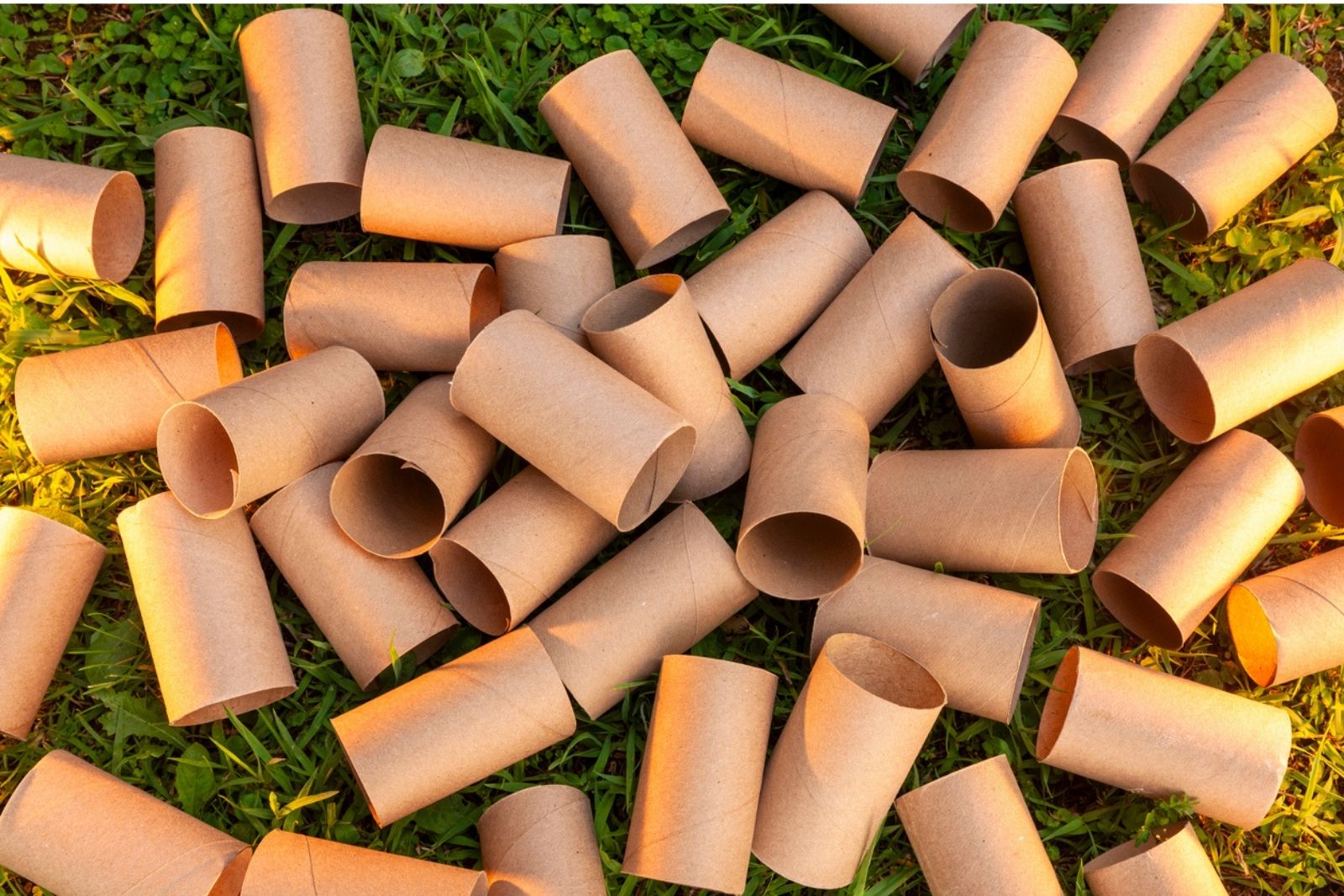
Iowa State University Extension describes the roll as a plantable seed container. Reusing one avoids buying a separate pot, and the cardboard is biodegradable. Before decomposition, the tube holds potting mix and young roots together, so transplanting requires less handling. Once buried, the cardboard can break down while roots move into surrounding soil.
Three jobs for one roll
One roll does three jobs in the garden, and each one asks for a different cut.
- Start seedlings. Iowa State says to cut rolls into 2- or 3-inch sections, add potting soil and sow one seed in each. They are especially useful for larger seeds such as corn, beans and cucumbers, whose roots benefit from less disturbance. 2. Guard transplants. Cutworms are caterpillars that chew tender stems near soil level. UNH Extension recommends placing a cardboard collar at least 1 inch into soil and 2 inches above it. 3. Add a compost brown. NC State Extension lists paper rolls among carbon-rich browns. Tear tubes into pieces and mix them with moist, nitrogen-rich greens instead of dropping them in a stack.
Turn a roll into two pots
- Cut the roll in half to make two pots.
- Snip tabs around one end.
- Fold the tabs inward, stand the pots in a waterproof tray and fill them with damp seed-starting mix.
- Sow at the packet’s depth. Water enough to keep the mix moist but not wet, and give seedlings suitable light.
- Harden seedlings off, then plant the tube and root ball together. Tear off any cardboard that would remain above grade.
Niki Jabbour demonstrates it in the video “Planting Seeds in Toilet Paper Rolls.”
https://www.youtube.com/watch?v=q7k-SYXhK3o
When cardboard starts working against you
Utah State University warns that toilet-paper rolls may not offer optimal drainage or structure, so support them in a tray and do not risk all your must-grow seeds on the method. Iowa State says every cardboard edge must sit below the soil surface because an exposed rim acts as a wick and dries the transplant. For compost, use plain, uncoated cardboard; NC State excludes heavily coated paper. NC State advises limiting paper in the pile because it can slow decomposition. A tube is a temporary pot, collar or brown ingredient, not fertilizer or durable protection.
For another no-waste move, see how TheCoolist uses cardboard to cover garden beds or turns old nursery pots into seedling collars.
A tube, a few cuts and the right placement. That’s the trick.