
Somewhere in your house, in a drawer, a basement box or your parents’ attic, sits a stack of plastic rectangles nobody has touched since the VCR left. The reflex is to donate them or toss them during the next cleanout. Hold that thought, because the collector market for tapes has gone from joke to genuinely astonishing: at one auction, 260 of them changed hands for over half a million dollars combined, and the record for a single tape now runs to six figures. The catch is knowing which stack member is treasure and which is landfill, and the difference fits on one checklist.
The headline numbers are real and recent: a sealed, graded first-release VHS of Back to the Future sold for $75,000 at Heritage Auctions, part of a catalog where collectors spent more than $580,000 on 260 tapes; sealed copies of the sequels brought $16,250 and $13,750, a sealed Rocky made $27,500, and sealed first-release copies of 1977’s Star Wars have reached the $57,600 to $114,000 range.
What collectors actually pay for
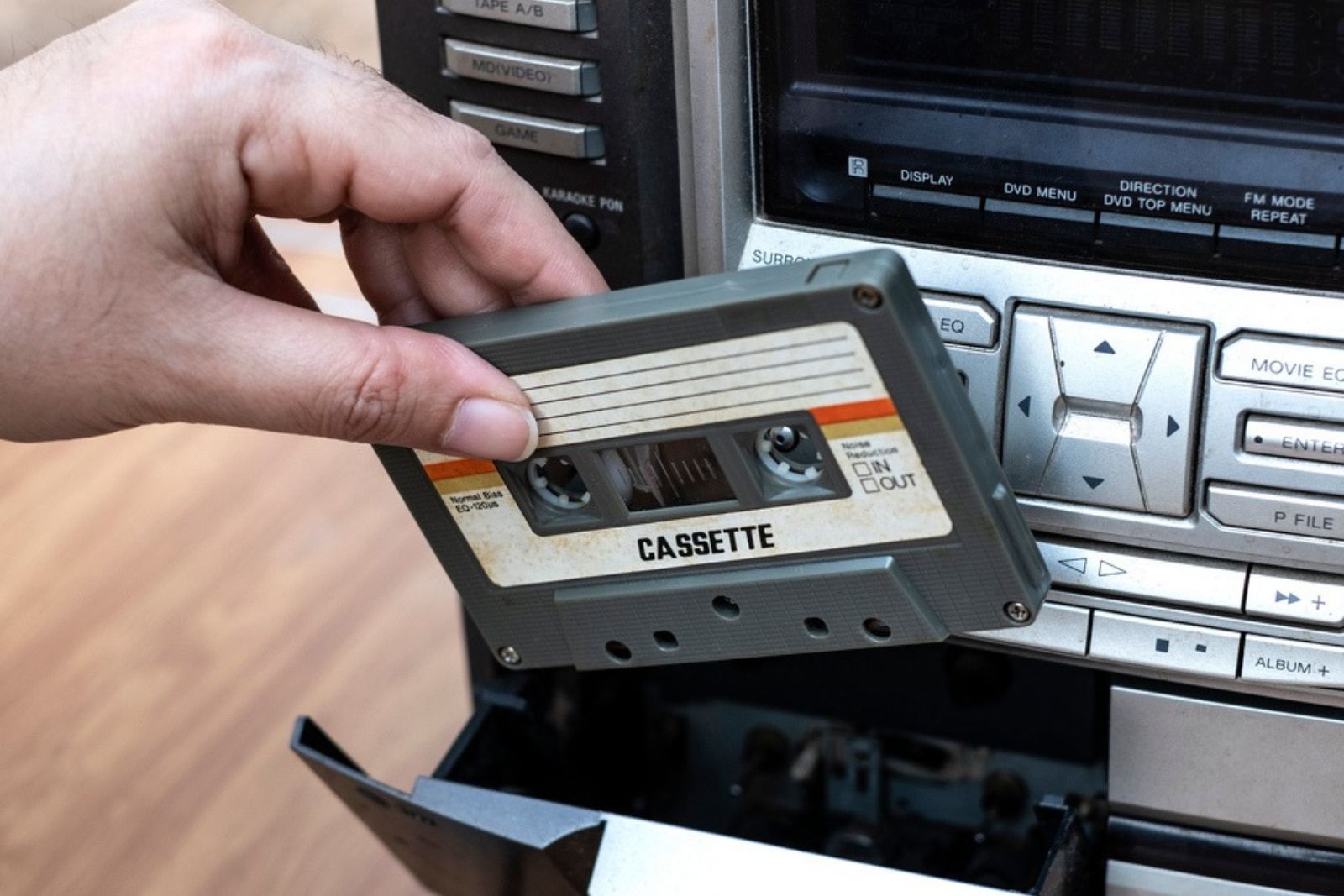
Four factors, in strict order. Sealed beats everything: factory shrink-wrap, never opened, is the whole game; the watched copy of the same film is worth a few dollars. First or early release: the earliest editions of the late ’70s and early ’80s, big boxes, drawer-style “slipcase” boxes, early studio logos, before the mass reissues flooded shelves. Genre and cult status: ’80s horror, sci-fi and action lead the market, with early slashers, banned-cover oddities and Betamax versions (rarer than VHS) carrying premiums. Grading and provenance: serious money only moves on tapes certified by a grading service like CGC, and a story helps; the $75,000 Back to the Future belonged to the actor who played Biff. Audio cassettes play by the same first-press-and-sealed rules on a smaller scale, with early editions of landmark albums and rare demo tapes as the chase pieces.
The myth to clear out of the way
No, your Disney “Black Diamond” tapes are almost certainly not worth thousands. The black diamond on the spine just marks Disney’s “The Classics” line from 1984-1994, sold by the tens of millions, and the viral “worth $9,000” stories were built on sellers’ asking prices, not actual sales; opened copies trade for $5 to $25. The reliable reality check for any tape takes one minute: search the title on eBay and filter to sold listings. Asking prices are fiction; sold prices are the market.
How to triage your stack this weekend
- Pull anything still sealed, and keep it that way: breaking the shrink-wrap deletes most of the value on the spot.
- Flag early editions: copyright dates from 1977-1986 on the box, oversized or drawer-style boxes, first-release cover art, rental-era horror.
- Check condition honestly: crisp box, intact flaps, no sun-fade or rental stickers; for audio, original case and inserts.
- Price via sold listings, and for anything that looks like four figures, talk to an auction house rather than listing it cold.
- Recycle the rest properly: tapes are plastic and metal, and old media and electronics have their own disposal rules.
It’s the same lesson the season keeps teaching, from the mushrooms underfoot to the drawer you were about to empty: value hides in plain sight, and it rewards the person who checks before tossing. One sealed rectangle from the right year, and the cleanout pays for the vacation. That’s worth a minute with the sold listings.


