You light a brand-new taper for dinner, and by the time dessert comes out, it has shrunk by half and dripped wax all over the tablecloth. Then someone at the table mentions the old trick: put candles in the freezer first, and they’ll burn slower and drip less. You wonder why nobody told you sooner.
This is not your fault. The freezer trick has been passed around for years, and it sounds logical. Cold wax is harder, so it should melt more slowly. But candle makers say the effect is small at best. Colonial Candle calls it “a popular internet hack” and says “there’s no scientific evidence that freezing significantly extends a candle’s life.”
Why freezing seems like it should work
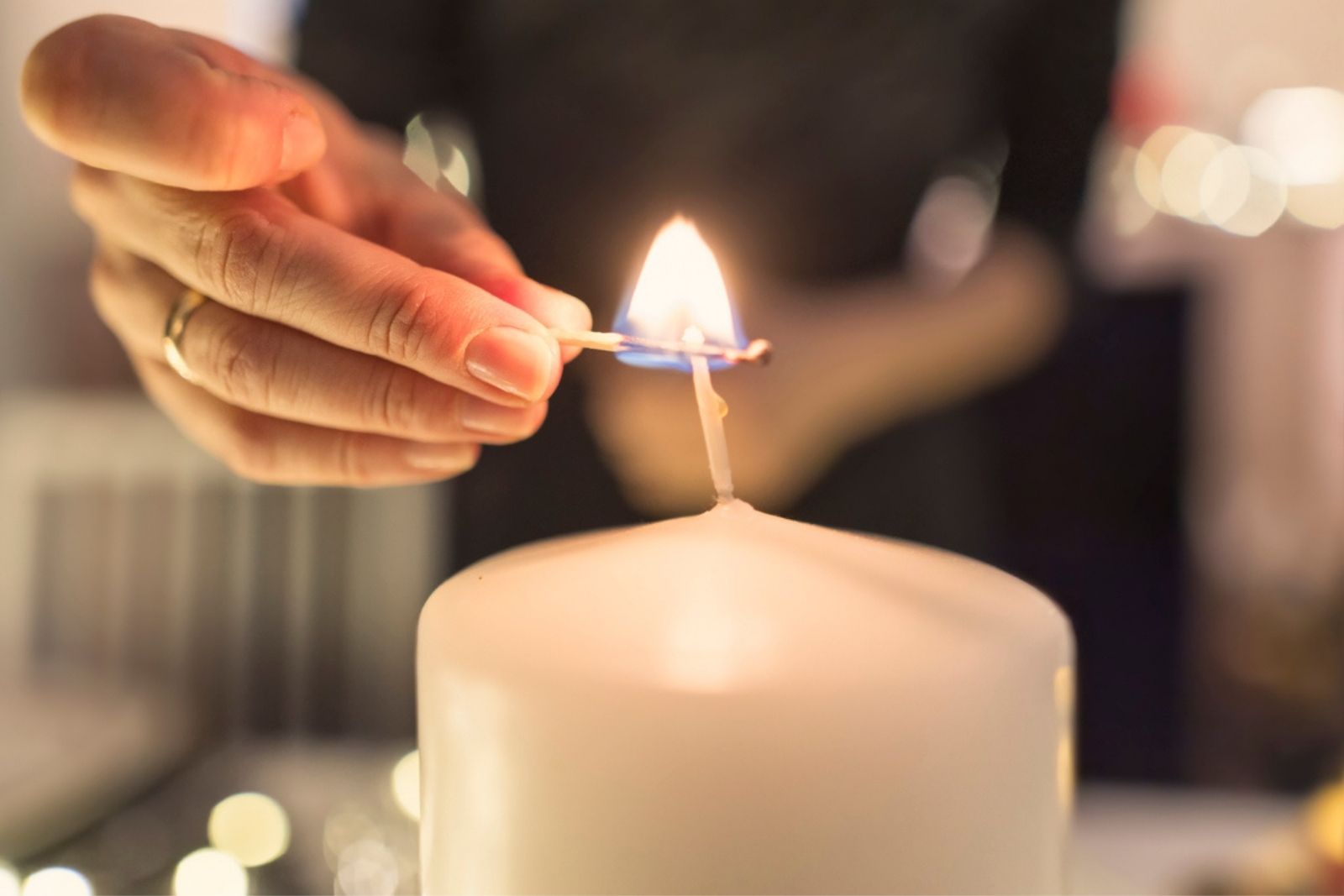
The idea comes from basic physics. As a representative of the National Candle Association put it, “wax naturally expands when heated and contracts when cooled.” A frozen candle starts out colder and firmer, so it’s easy to assume the flame will take longer to work through it.
In practice, the difference is small. When a Wirecutter writer tested the trick on paraffin and beeswax tapers frozen for at least eight hours, the results were underwhelming. After the first two hours, the paraffin candles were the same height whether they had been frozen or not, and the frozen beeswax taper was less than half an inch taller than its room-temperature twin. After six hours, the beeswax tapers ended at the same height. That small head start in the first couple of hours may be why the trick earned such a loyal following: early on, a frozen taper can look like it’s holding up a little better.
Freezing also came with downsides. In that test, the frozen candles developed cracked bases, and freezing appeared to increase dripping rather than reduce it.
What actually makes a candle last longer
The National Candle Association’s burning guide and candle makers point to a few habits that matter far more than the freezer:
- Trim the wick to 1/4 inch before every burn. Wirecutter calls it the most effective way to extend the burn time of any candle.
- Let the first burn melt to the edges. The NCA suggests burning one hour for every inch of the candle’s diameter. Otherwise the candle can form a “memory ring” and keep tunneling for the rest of its life.
- Keep burns to four hours or less, then let the candle cool for at least two hours before relighting.
- Keep it out of drafts. The NCA advises avoiding fans, air conditioners, open windows and busy walkways.
- Stop when about 1/2 inch of wax remains, as Colonial Candle recommends.
For a cozy scent without an open flame, a simmering pan of bay leaves and cloves is another old-fashioned option.
Safety comes first
If you still want to try the freezer, check the candle for cracks before lighting it, since the test above found cracked bases after freezing. And never leave a burning candle unattended.
Skip the freezer, trim the wick and give the first burn time to reach the edges. That’s the trick.