The first chilly evening, the boiler kicks on, and you rest a hand on the living room radiator. The top is almost too hot to touch. The bottom half is stone cold. So you dig out the little radiator key, open the bleed valve, hear a short hiss, catch a few drops in a cup, and close it again. An hour later, nothing has changed. The next weekend you bleed it again, with the same result.
You did what nearly everyone is told to do, so this is not your fault. But it is the wrong fix for this radiator. Air is light and rises, so trapped air leaves the top cold. A cold bottom is the opposite signal, and heating pros read it as something heavy sitting inside, which no amount of bleeding will ever remove.
What Is Actually Sitting In The Bottom
Inside a hot-water heating system, water is constantly in contact with steel and iron, and over the years it corrodes them from the inside. The result is a black, heavy grime of iron oxides, sometimes mixed with scale, and because it is denser than water it settles exactly where the flow is weakest: the lower channels of the radiator. One boiler manufacturer doesn’t hedge: “The culprit in 99% of these cases is a build-up of sludge and grime.” Once a channel is blocked, hot water simply flows across the top, and that section stays cold.
The usual companions give it away: gurgling, rooms that take longer to warm up, radiators that seem to need bleeding over and over, and bills that climb without the house feeling any warmer.
The Check Anyone Can Do In 20 Minutes
- Turn the heat on and wait about 20 minutes, long enough for the whole system to come up to temperature.
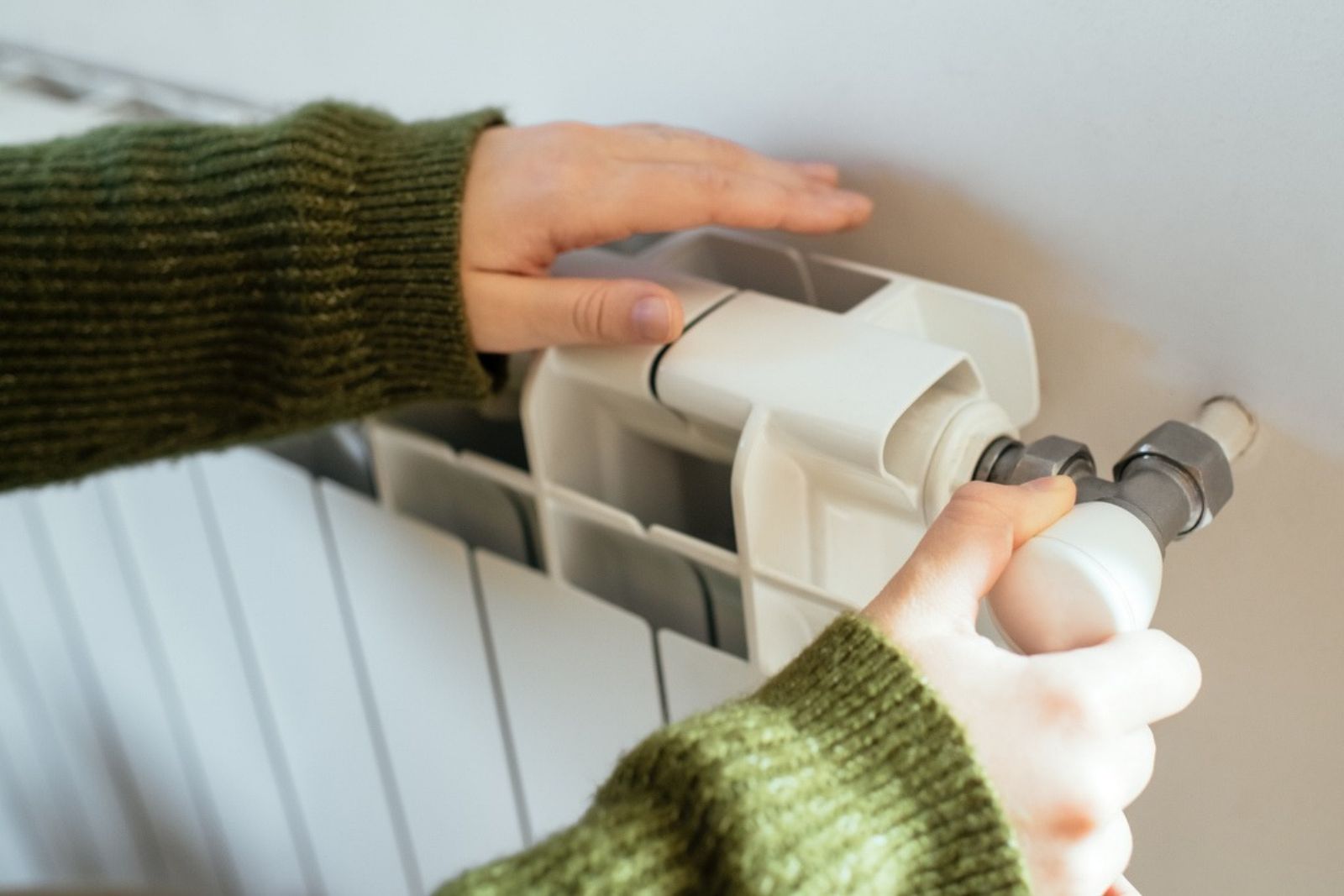
- Run your hand up the radiator from the bottom, slowly. It should warm evenly. Then feel the two pipes at the valves: warm pipes with a cold lower half point to sludge inside that radiator.
- Walk the house. One cold-bottomed radiator means the problem is local. Several mean it is system-wide.
- Rule out the look-alikes. A radiator that is cold everywhere is not sludge: think stuck valve or a balancing problem. Cold only at the top is air, and that one you can bleed.
- If you bleed anyway, read the water. Heat off, radiator cooled, valve opened a quarter to half turn. Brown or black water is the sludge confirming itself. Afterward, check the boiler pressure gauge and top it up to the manufacturer’s level if needed.
What not to do: turn up the thermostat to compensate. Heating experts are unanimous that it fixes nothing and only raises the bill, and the number on the dial was never the whole story of a warm room anyway.
When A Flush Is Actually Needed
If a single radiator is affected, it can be isolated with its two valves, drained, removed, and hosed out outdoors until the water runs clear, then refitted, refilled and bled. It is a reasonable job for a careful DIYer, with two cautions: never fully undo the valves, or you may drain the whole system, and on a sealed system the boiler usually needs repressurizing afterward. If that sounds like more than you want to take on, it is a short visit for a plumber.
If several radiators are cold at the bottom, the sludge is in the whole system, and the fix is a professional flush: typically $150 to $600 depending on the number of radiators, for a 4 to 8 hour job, every 5 to 6 years. Ask for a corrosion inhibitor and a magnetic filter at the same visit: the first slows new sludge, the second catches it before it settles.
One limit before you reach for the key at all. If your radiator has a small air vent on its side, it is probably a steam radiator, still common in older homes, and none of this applies: leave it to a steam specialist. And never open a bleed valve while the heat is running, because the water is hot and can spray under pressure.
Feel the bottom before you grab the key, and read the water if you do. That’s the trick.