The donation box is half full. A chipped pasta bowl, three mismatched glasses, and the mugs nobody uses anymore: the one from that coffee shop trip in the nineties, still with its city skyline on the side. It goes in the box with everything else, and on Saturday it sells at the thrift store for a dollar. Somewhere, a collector is very happy.
Nobody checks a coffee mug before giving it away, so this is not on you. But a few of the mugs from that decade now trade for hundreds of dollars, and one series in particular has a real collector market behind it. Ten minutes and a flashlight are enough to know what you have.
Why An Ordinary Mug Became Valuable
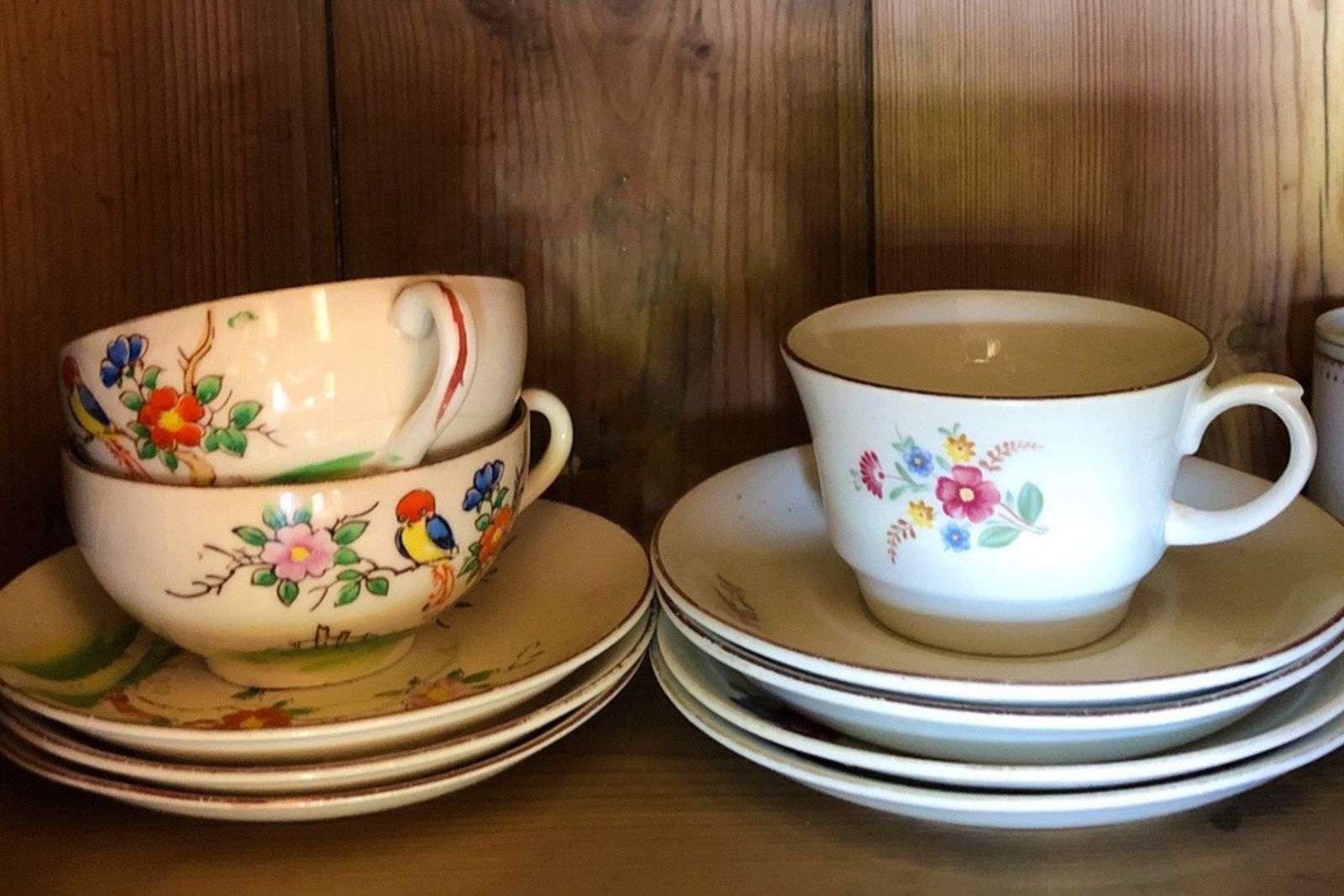
The mug collectors chase hardest is Starbucks’ City Mug Collector Series, launched in the 1990s and followed over the years by the City Scenes, Architecture, Global and Discovery lines. Each mug was made for one city, and most were bought to be used. That is precisely what makes pristine early ones scarce today: a chip, a faded print or a box thrown out, and a mug drops out of the collector market. The few that survived in perfect shape are the ones collectors want.
The numbers are real, and they come from actual eBay sales. A 1994 Minneapolis mug, new in its box, sold for $2,200 in 2018. Another 1994 Minneapolis St. Paul sold for $1,500 in 2019. A 1994 Long Island mug went for $400, a 1994 New Orleans for $270. Other 1994 cities have sold for under $100, so the year alone guarantees nothing.
What To Check Before You Donate The Box
- Turn it over. The bottom shows a year, a capacity in fluid ounces, and often a country of manufacture. The year is the design’s copyright date, not proof of when it was made, and the country barely affects value.
- Look for the small white SKU sticker. If it’s still there, search its number: it’s the fastest way to find your exact mug. A mug that kept its sticker is considered more complete and can fetch a premium.
- Find the box. New in its original box is the gold standard. A mint mug without one typically brings 60 to 80 percent of that price, a used one 25 to 50 percent.
- Inspect it under bright light. A chip, a hairline crack, or a faded print makes most mugs nearly worthless to serious collectors.
- Check the other usual suspects. Hand-painted Otagiri mugs imported from Japan, recognizable by a gold diamond-shaped label underneath, stopped production in the 1990s and are still actively listed by collectors, as are TV-show mugs from the era, like a 1990 Simpsons mug.
How To Know What It’s Really Worth
Ignore what sellers are asking. A listing price is only what a seller hopes to get, not what anyone has paid. One collector guide puts the rule in one line: “The ‘Sold Items’ filter is the only source of truth.” On eBay, turn that filter on, read five to ten recent sales, and compare their condition honestly with yours.
That is also where most of these mugs are sold, along with Etsy and Poshmark, where vintage Starbucks mugs are regularly listed. Photograph the bottom, the sticker and the box, and describe every flaw. And keep expectations grounded: most 1990s mugs sell for a few dollars to a few dozen, a handful bring a few hundred, and only the rarest city designs reach four figures. For a different kind of collector mania, the Finnish mugs selling for thousands follow the exact same rules.
Flip it, find the sticker, check what it actually sold for. That’s the trick.