You’re rinsing a coffee mug at the kitchen sink when you notice your dog holding your gaze, even though there’s no food in your hands. Researchers in Japan took that familiar moment seriously enough to observe dogs and their owners together for 30 minutes, then measure what changed in each of them.
In short
- When your dog holds your gaze, that quiet moment can build your bond.
- Japanese researchers measured a rise in oxytocin in dogs and their owners after sustained mutual gazing.
- Oxytocin also helps mothers bond with their babies.
- Hand-raised wolves did not show the same gaze-and-oxytocin pattern.
Your dog’s gaze builds a bond
View in gallery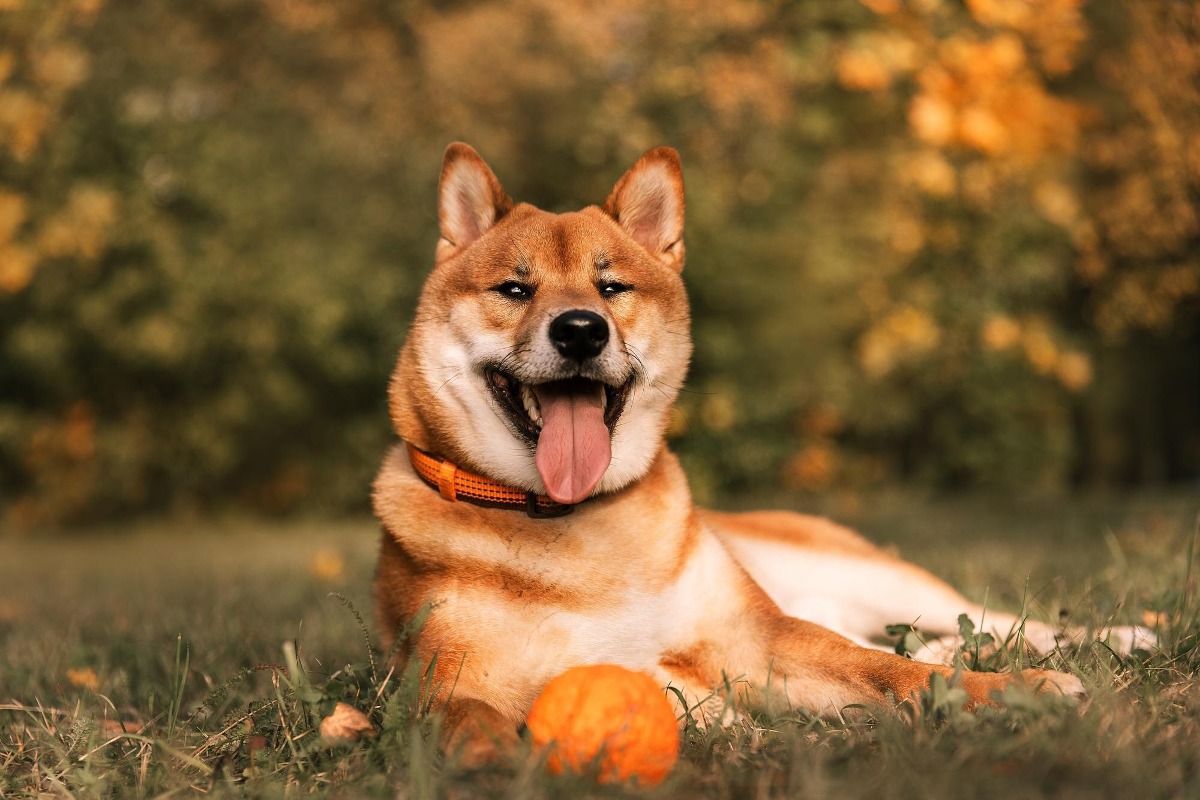
Your dog looks up at you while you’re standing in the kitchen. You look back, and the two of you stay there for a moment. Researchers in Japan studied that kind of shared gaze and found a connection that goes beyond asking for a treat.
In a 2015 study led by Miho Nagasawa of Azabu University, 30 dogs spent 30 minutes in a room with their owners. Researchers measured oxytocin in urine from both the dogs and their people before and after they were together. That gave the team a way to see what changed during an ordinary stretch of time spent together.
The pairs whose dogs held their owners’ gaze longer told the clearest story. Afterward, owners in that group had a significant rise in oxytocin. The rise in the dogs was linked to the rise in their owners. The look passed between them, and the change showed up in both.
The bond runs both ways
Oxytocin is often called the bonding hormone. It helps mothers bond with their infants, which makes the dog-and-owner finding especially striking. A familiar look from your dog is connected to a chemical response in the two of you.
Study co-author Takefumi Kikusui described the owner-dog connection as “comparable to human parent-infant bonding.” It is a comparison about how eye contact and oxytocin help strengthen a bond. The researchers described what they found as a loop: a dog gazes at a person, and the shared interaction reinforces their connection.
The team explored that loop another way, too. In a follow-up experiment, some dogs received oxytocin through a nasal spray. Their owners then showed a significant rise in oxytocin, likely connected to the dogs spending more time looking at them. The gaze-and-oxytocin connection appeared again, this time after the researchers changed one part of the interaction.
Wolves showed what makes this special
To understand the dogs’ behavior, the researchers also studied wolves raised by people. Those wolves rarely held their caregivers’ gaze for more than a few moments. They did not show the same oxytocin rise seen in the dog-owner pairs.
That difference helps explain why your dog’s steady look can feel so personal. The study points to a way dogs and humans connect through eye contact, with a response that the researchers did not see in the wolves. It puts a measurable change behind a moment you may know well: looking at your dog and finding your dog looking back.
The limit
Not every stare means the same thing. The American Kennel Club notes that dogs also look at their owners to communicate what they want, and direct eye contact can feel confrontational to some dogs, especially with strangers. The study measured a bond linked to sustained mutual gazing; it did not show that every glance releases oxytocin or that a dog looking at you is never asking for something.